Most travelers think ordering coffee in Italy is about memorizing a dictionary. It’s not. It’s about understanding that coffee is a ritual with strict timing rules and a price structure that punishes tourists who don’t know the difference between sitting and standing. I’ve watched people pay €8 for a €1.50 espresso because they didn’t know the word banco. That’s the real cost of not knowing the phrases.
This isn’t a language lesson. It’s a survival guide for getting the right drink, at the right price, without holding up the line of impatient Romans behind you.
The Golden Rule: Price Changes With Your Posture
Here’s the thing that confuses everyone. The exact same coffee costs two different prices depending on whether you stand at the counter or sit at a table. At the counter—al banco—you pay the local price. Sit down—al tavolo—and you’re paying for the real estate, the tablecloth, and the waiter’s time. That’s why a cappuccino in Piazza San Marco costs €12 sitting down and €2 standing up.
You don’t need to apologize for standing. Locals do it constantly. They walk in, order at the register, hand the receipt to the barista, drink their espresso in 90 seconds, and leave. That’s the entire transaction.
If you want to sit and rest your feet, fine. But know you’re not paying for better coffee. You’re paying for the chair.
The Phrasebook: What to Actually Say
Forget the phrasebooks that teach you “I would like a coffee, please.” That’s not how Italians order. They use shorthand. Here’s the exact vocabulary that gets you the right drink without a confused look from the barista.
The Core Drinks
| Drink | What It Is | When to Order It | Phrase to Use |
|---|---|---|---|
| Caffè | A single espresso. This is the default “coffee.” | Any time of day, especially after meals. | “Un caffè, per favore.” |
| Caffè Doppio | Double espresso. | When you need more caffeine, usually morning. | “Un doppio.” |
| Caffè Macchiato | Espresso with a spot of steamed milk. | Any time, but often as a mid-morning bridge. | “Un macchiato caldo.” (hot milk) or “Un macchiato freddo.” (cold milk) |
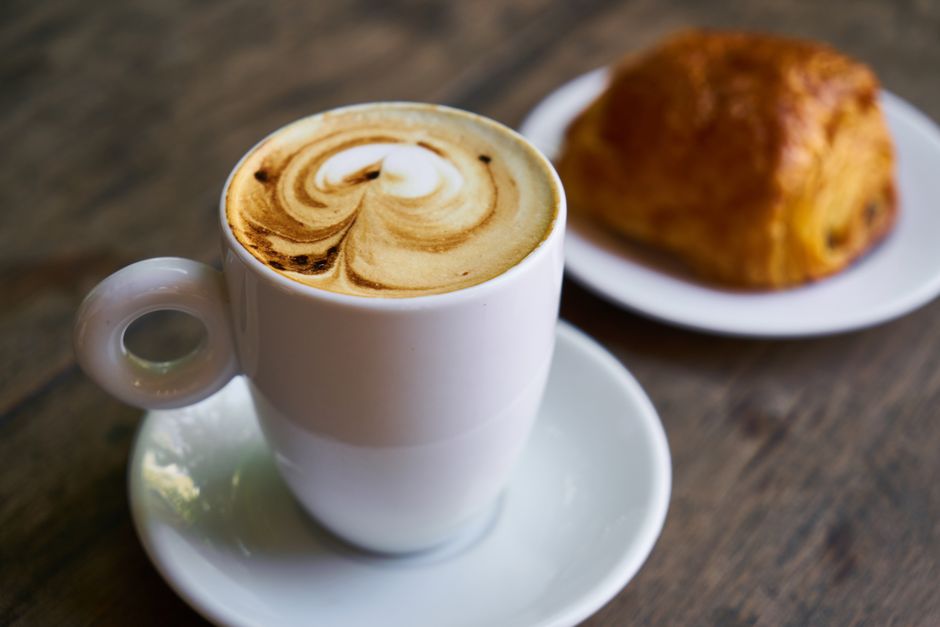
| Cappuccino | Espresso with equal parts steamed milk and foam. | Strictly before 11:00 AM. Ordering after lunch marks you as a tourist. | “Un cappuccino.” |
| Caffè Americano | Espresso diluted with hot water. Closest thing to drip coffee. | Any time, but it’s a tourist favorite, not a local one. | “Un americano.” |
| Caffè Corretto | Espresso with a shot of grappa, sambuca, or brandy. | After dinner or as a winter warmer. | “Un caffè corretto alla grappa.” |
Notice what’s missing: there’s no “latte.” If you order a “latte” in Italy, you get a glass of milk. The drink you think of as a latte is a caffè latte, and it’s usually made at home, not ordered at a bar. If you want a milk-heavy coffee, order a cappuccino before 11 AM or a caffè macchiato after.
Ordering Logistics
In most busy bars, especially in cities like Rome and Milan, the flow is: pay first, then order. You walk in, go to the cash register (la cassa), say what you want, pay, and take the receipt (lo scontrino) to the barista. The barista makes your drink and you hand over the receipt.
If you don’t see a cash register, you can order directly from the barista and pay after. But in high-traffic tourist areas, the pay-first system is standard. Don’t fight it. Just say: “Un caffè, pago alla cassa?” (A coffee, do I pay at the register?)
Timing Is Everything: The 11 AM Cappuccino Rule
Italians don’t drink cappuccino after 11:00 AM. This isn’t a law, but it’s a deeply held cultural norm. The reasoning is practical: milk is considered heavy for digestion after a meal. Drinking a cappuccino after lunch or dinner is seen as a dietary mistake, like ordering a milkshake with your steak.
Will a barista refuse to make you one at 3 PM? No. They’ll make it. But they’ll know you’re a tourist, and you’ll get the same coffee with a little less warmth. If you want to blend in, switch to a caffè macchiato or a plain caffè after lunch.
The exception is breakfast. Italians eat sweet pastries (cornetti) with cappuccino in the morning. That’s the only time milk and coffee are considered a proper pair.
The Standing Bar: Where the Real Coffee Happens
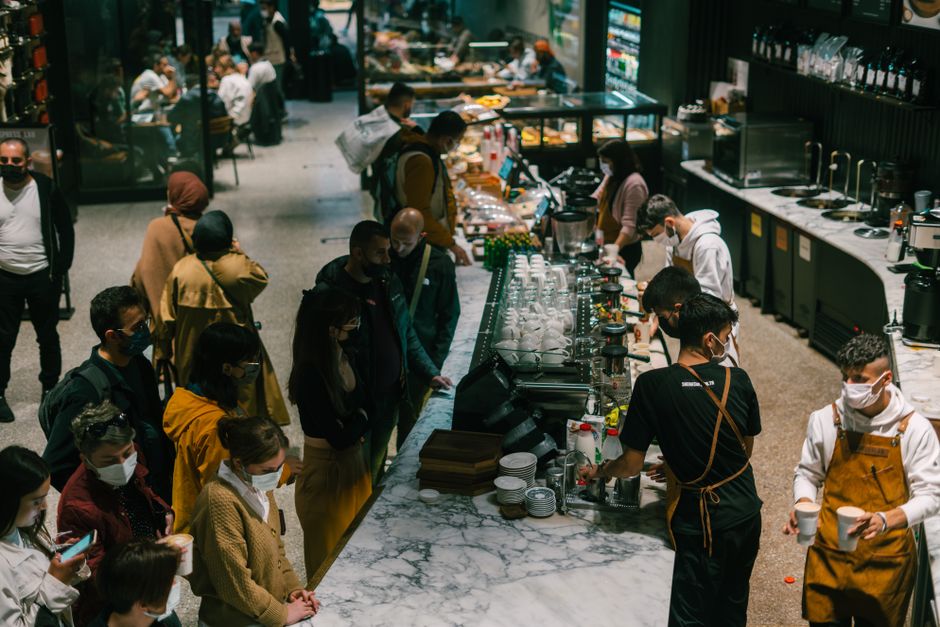
Skip the tables. The counter is where the action is. You’ll see locals standing shoulder to shoulder, drinking espresso in two sips, talking over each other. It’s fast, it’s loud, and it’s the cheapest way to drink coffee in Italy.
Here’s the move: walk in, say “Un caffè al banco” (a coffee at the counter), pay at the register, hand the receipt to the barista, and drink it standing there. It takes three minutes total. You don’t need to leave a tip. Tipping at the counter is not expected. Leave a €0.10 or €0.20 coin on the saucer if you want, but no one will blink if you don’t.
If you need water with your espresso, ask for “un bicchiere d’acqua” (a glass of water). It’s free and often served automatically with your coffee in Naples and the south.
What Not to Order (And What to Order Instead)
Don’t order a pumpkin spice latte. Don’t ask for oat milk. Don’t ask for a “skinny vanilla latte.” Italian coffee culture is minimalist. The menu is espresso, macchiato, cappuccino, and a few variations. That’s it.
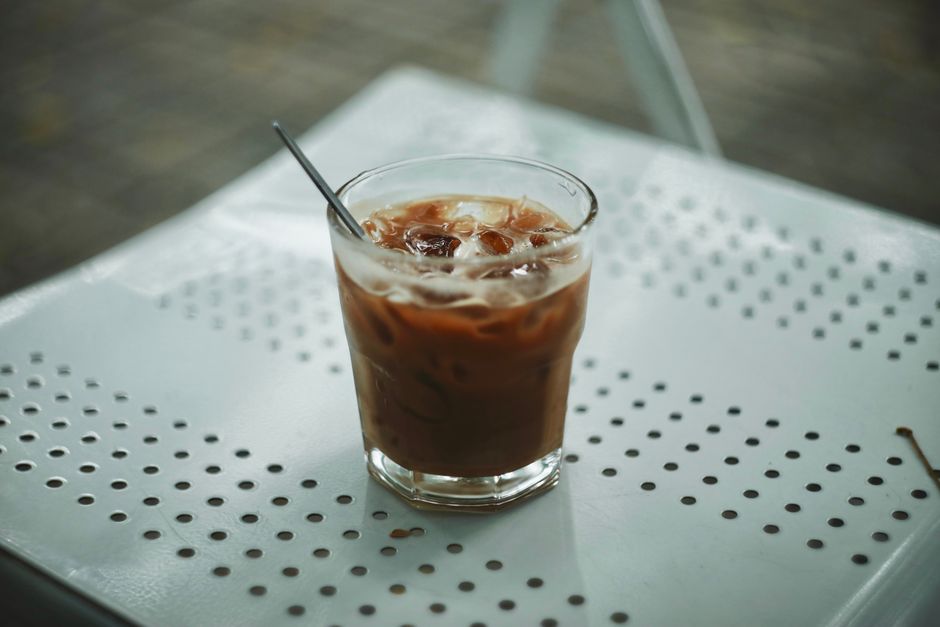
If you want a cold coffee in summer, order a caffè shakerato. It’s espresso shaken with ice and sugar, served in a martini glass. It’s the Italian answer to iced coffee and it’s excellent. If you want something creamy, order a caffè freddo (chilled espresso) or a crema di caffè (coffee cream, like a thick coffee slush).
The failure mode here is ordering an American-style iced coffee. Italians don’t drink it. You’ll get a blank stare or a watered-down Americano with ice. The shakerato is the better move.
Regional Differences: Naples vs. Milan vs. Trieste
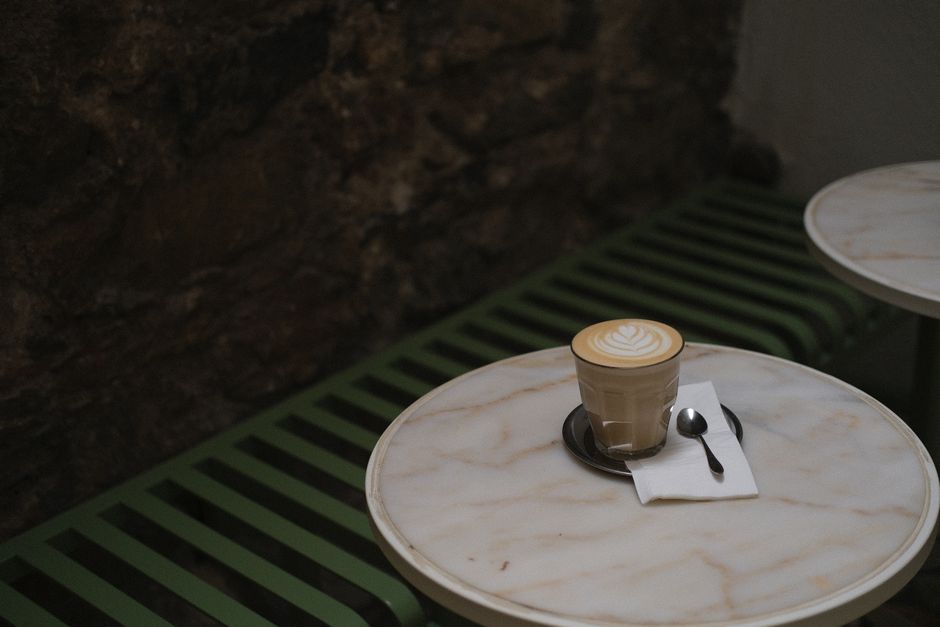
Not all Italian coffee is the same. Naples is famous for its dark, intense espresso. The Neapolitan style uses a shorter extraction and a higher temperature, giving you a thick, syrupy shot with a strong crema. If you order a caffè in Naples, expect it to be strong enough to stand a spoon in.
Milan, by contrast, leans lighter and more acidic. The espresso is often made with a blend that includes more Arabica, giving it a brighter, fruitier profile. The cappuccino in Milan is often served slightly cooler and with more foam than in the south.
Trieste is a different world entirely. As the historic port for coffee imports, Trieste has its own vocabulary. Order a nero for an espresso, a capo for a macchiato with more milk, and a goccia for a macchiato with just a drop of milk. If you use Roman or Milanese terms in Trieste, you’ll still get coffee, but you’ll miss the local flavor.
The takeaway: learn the standard terms first. Then, if you’re spending time in one city, pick up the local shorthand. It’s the difference between being a tourist and being a regular.
Final Verdict: The Only Three Phrases You Actually Need
Strip it all down and you need three sentences to survive coffee in Italy:
- “Un caffè, per favore.” — Gets you an espresso, the default drink.
- “Un cappuccino, per favore.” — Gets you a cappuccino, before 11 AM only.
- “Al banco.” — Tells them you’re standing at the counter, not sitting, so you pay the local price.
That’s it. Everything else is refinement. You don’t need to be fluent. You need to be efficient. Walk in, say the phrase, pay, drink, leave. That’s how locals do it, and that’s how you avoid paying €8 for a €1.50 coffee.