You’re sitting at your desk in Pune or Lucknow, scrolling through Instagram reels of someone eating ramen alone in Tokyo, and a thought hits you: main akela kaise ghoom sakta hoon? That phrase—akela safar—is what solo travel means in Hindi. It translates directly to “alone journey,” but the emotional weight is different. In Hindi, akela carries a hint of sadness, of something missing. That’s the gap between the English term “solo travel” and its Hindi counterpart. One sounds empowering. The other sounds like you forgot to invite someone.
This article isn’t a dictionary entry. It’s about what happens when you actually book that solo trip from India—what it costs, what goes wrong, and whether the Hindi meaning of solo travel needs an update.
Akela Safar vs. Solo Travel: The Translation Problem Nobody Talks About
Language shapes how families react. Tell your parents in Hindi, “Main solo travel kar raha hoon,” and they might nod politely. Tell them, “Main akela ghoomne ja raha hoon,” and watch the concern flood in. The Hindi phrase implies isolation, not independence. That’s a real communication gap for Indian travelers.
Why “Akela” Feels Heavier Than “Solo”
In English, “solo” is borrowed from music and performance—a solo act is complete on its own. In Hindi, akela often appears in contexts of abandonment: akela baccha (orphaned child), akeli aurat (woman alone, often in a vulnerable framing). The word carries social risk. A 28-year-old woman from Jaipur doing solo travel isn’t just booking flights; she’s navigating a vocabulary that frames her as unprotected.
What Solo Travel Actually Means in Practice
Forget the dictionary. Solo travel means you handle every decision—transport, food, safety, boredom—without a default companion. You book a bed at Zostel in Rishikesh for ₹700 a night. You eat at a dhaba alone while the waiter asks twice if you’re waiting for someone. You learn that loneliness and freedom share a border. That’s the real meaning: self-reliance with a receipt.
Bottom line: the Hindi translation is accurate but incomplete. Solo travel isn’t just akela. It’s khud ka safar—your own journey, with full ownership.
What Solo Travel From India Actually Costs in 2026
Here’s where the marketing gloss meets reality. Solo travel isn’t cheaper than traveling with a partner. You split no hotel rooms, no auto fares, no thali bills. Budget accordingly.
| Expense | Solo Traveler (₹) | Two Travelers (₹ per person) | Difference |
|---|---|---|---|
| Hostel dorm bed (Zostel, 1 night) | 700 | 350 (private room split) | +100% |
| Auto from station to hotel | 150 | 75 | +100% |
| North Indian thali | 180 | 180 | Same |
| SIM card with data (Jio, 28 days) | 239 | 239 | Same |
| Travel insurance (Tata AIG, 7 days domestic) | 350 | 350 | Same |
The solo premium hits hardest in accommodation and local transport. A private room at a Goa guesthouse costs ₹1,500. Split two ways, that’s ₹750 each. Solo, you eat the full amount. This is why hostels dominate solo travel—not because travelers love bunk beds, but because the math forces it.
For a 5-day domestic solo trip from Delhi to McLeod Ganj, budget ₹12,000–15,000 including Volvo bus tickets (₹1,200 each way on RedBus), hostel stays, food, and buffer cash. International solo trips from India—say, Vietnam for 10 days—run ₹80,000–1,20,000 with flights (VietJet via Kolkata often under ₹25,000 round-trip), hostels (₹800–1,200/night), and visa fees ($25 e-visa).
Three Things That Go Wrong When You Travel Alone in India
Not safety warnings. Practical failures.
- You underestimate the 7 PM problem. Group travelers fill evenings with conversation. Solo travelers hit a wall. Dinner alone at 7:30 PM, back in the room by 9 PM, scrolling. The fix: book hostels with common areas, sign up for walking tours, or carry a Kindle. Loneliness is a logistics problem, not a personality flaw.
- You overpack for emotional security. First-time solo travelers from India carry 12 kg for a 5-day trip. Extra clothes, extra snacks, extra “just in case” items. Every extra kilo compounds when you’re the only one carrying it. A 40L Decathlon Forclaz backpack (₹2,999) forces discipline.
- You don’t tell anyone your itinerary. Share your live location on Google Maps with one trusted person. Not because the world is dangerous—because if your phone dies in Spiti, someone should know where to look.
When NOT to Travel Solo
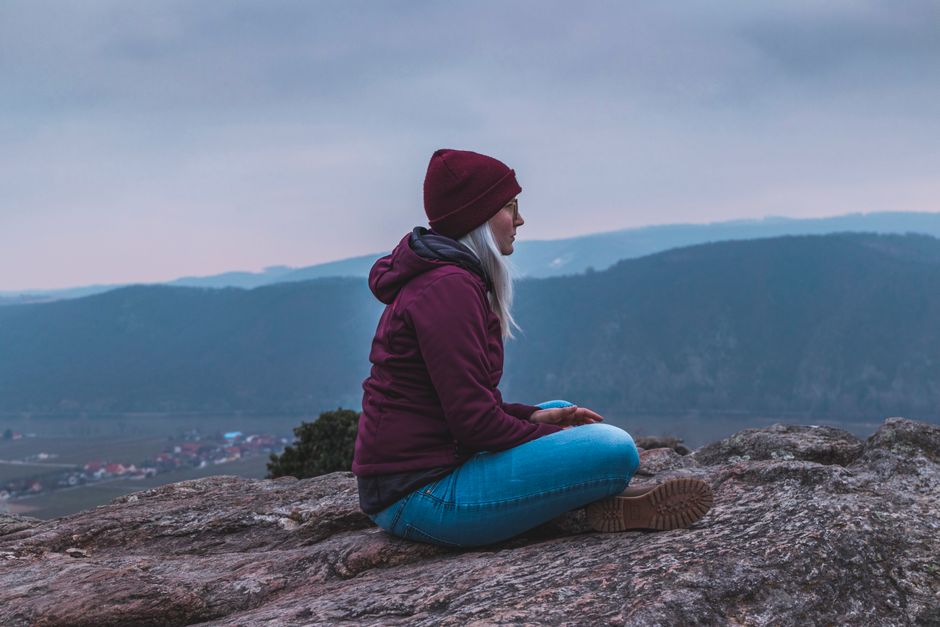
Solo travel is not a personality upgrade. If you’re traveling to escape a breakup, a job loss, or family pressure, the silence of a solo trip will amplify what you’re running from. I’ve seen travelers book a solo Goa trip after a breakup and spend four days crying on Anjuna Beach. That’s not healing. That’s paying ₹15,000 to be sad in a different pin code.
Also skip solo travel if your primary joy is shared experience. Some people genuinely don’t enjoy a sunset without someone to point at it. That’s fine. Travel with a group. Companies like WanderOn and JustWravel run fixed-departure group trips from Delhi and Bangalore for ₹15,000–25,000 per person. You get the structure without the isolation.
The alternative isn’t failure. It’s knowing yourself before you book.
How to Make Your First Akela Safar Work
Start domestic. Start short. Start in a city with metro connectivity and hostels.
Pick a Low-Friction First Destination
Rishikesh, McLeod Ganj, Pondicherry, and Hampi are the classic first solo trips from India. All have established hostel cultures, cheap food, and enough other solo travelers that you won’t feel like a specimen. Zostel properties in Rishikesh and McLeod Ganj run ₹600–900 per dorm bed. GoStops in Hampi is similar. These aren’t just beds—they’re social infrastructure.
Book the First Two Nights Only
Do not book a 7-night itinerary before you’ve spent one night in the place. Solo travel means you can change plans without a committee meeting. If you hate Rishikesh after 48 hours, take a bus to Dehradun. If you love it, extend. Flexibility is the only real perk of traveling alone. Use it.
Learn to Eat Alone Without Scrolling
This is the skill nobody teaches. Eating alone in India draws stares, especially if you’re a woman. The stares are almost never hostile—they’re curiosity mixed with pity. Learn to ignore them. Bring a book. Sit at the counter if there is one. Order confidently. The first solo meal is awkward. The fifth is normal. The twentieth is a superpower.
My pick for first-time solo travelers from India: Rishikesh, 4 days, Zostel, budget ₹8,000 all-in. It’s close to Delhi, cheap, walkable, and full of people doing the same thing you are.
This is not financial advice. Solo travel budgets vary wildly by season, booking window, and personal comfort level.