You have 7 days in Morocco. You want culture — real culture, not just photo ops. Do you base yourself in Marrakech or Fes? I just got back from three weeks split between both cities. Here’s the direct answer: Fes wins for depth and authenticity. Marrakech wins for variety and spectacle. The rest of this guide explains exactly what that means for your itinerary, your budget, and your patience levels.
The Real Difference: What “Culture” Means in Each City
Most comparisons treat these cities as interchangeable Moroccan experiences. They are not. Fes is a working medieval city. Marrakech is a performance of one. That sounds harsh. But it’s the most useful framing for a culture-focused traveler.
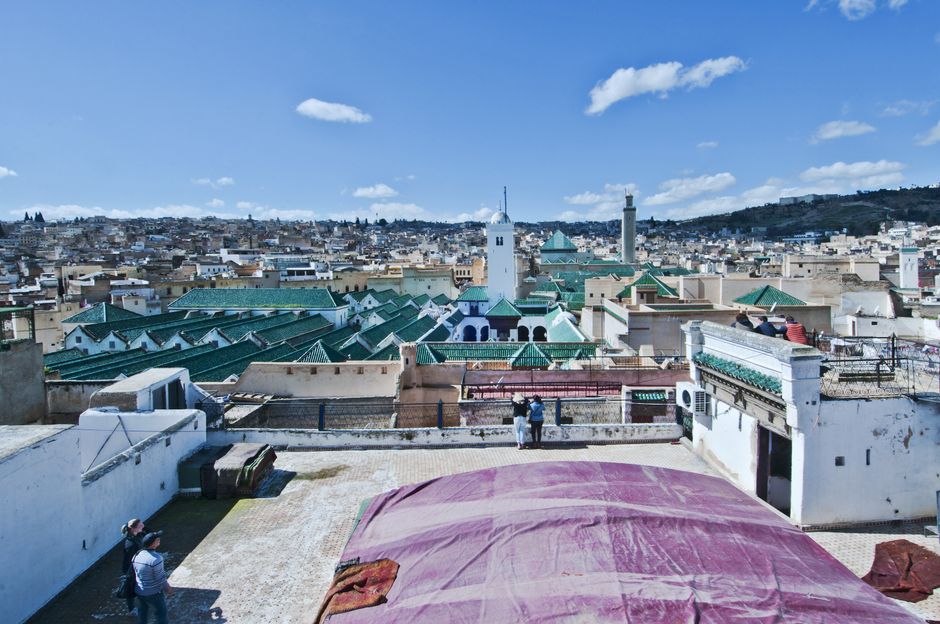
In Fes, the medina (Fes el Bali) has roughly 9,000 streets. No cars. Donkeys carry leather hides past you. Kids walk to school through the same alleys their great-grandparents used. The tanneries are not a tourist show — they are a functioning industry that has operated since the 11th century. You smell them before you see them. That is the point.
In Marrakech, Jemaa el-Fnaa square is a UNESCO-listed cultural space. But in 2026, it is also a highly optimized tourist engine. Snake charmers charge 50 dirhams for a photo. Food stalls have English menus with QR codes. The culture is real but packaged, polished, and priced accordingly.
This is not a knock on Marrakech. It is a category clarification. Fes is for travelers who want to observe culture. Marrakech is for travelers who want to consume it. Both are valid. Pick based on your travel style.
Fes: The Deep-Dive Case for Culture Purists
Fes el Bali is the largest car-free urban area in the world. That single fact shapes everything. You will get lost. Your phone GPS will fail in the narrow alleys. You will be approached by unofficial guides offering to “help” for money. This is not a failure of the city. It is the experience.
The Al-Qarawiyyin Complex
Founded in 859 CE by Fatima al-Fihri, the Al-Qarawiyyin is widely considered the oldest continuously operating university in the world. Non-Muslims cannot enter the mosque itself. But you can see the courtyard through the gates and visit the library, which reopened after restoration in 2016. The library has a 9th-century Quran and a collection of manuscripts that scholars fly from Europe to study. This is not a museum. It is a functioning academic institution. That distinction matters.
The Tanneries: Chouara and Sidi Moussa
Chouara is the famous one. The view comes from leather shop terraces. You will be handed mint leaves for the smell. The ammonia from pigeon droppings used in the tanning process is genuinely overwhelming. The shops want you to buy a jacket or bag after the view. You do not have to. Tip the terrace attendant 10 dirhams and leave.
Sidi Moussa is smaller and less visited. Fewer terrace shops. More workers actually doing the job. If you want to photograph without pressure, go there instead. A local guide named Youssef (find him through your riad, not the street) charges about 200 dirhams for a half-day including both tanneries and the pottery quarter.
Borj Nord and the Arms Museum
For a city view without the medina chaos, walk up to Borj Nord. The fortress holds the Arms Museum — a collection of weapons from across Moroccan history. Entrance is 20 dirhams. The rooftop gives you a full panorama of Fes el Bali. Go at 5pm when the light hits the medina and the call to prayer echoes across the valley. This is the single best free-ish cultural moment in the city.
Verdict: Fes requires effort. You must walk, get lost, negotiate, and tolerate discomfort. The payoff is a city that does not perform for you. It just exists. For culture purists, this is the whole point.
Marrakech: The Case for Spectacle and Variety
Marrakech is easier. That is not an insult. It means you can see more in less time, with less friction. The medina is smaller and more navigable. The cultural sites are concentrated. The infrastructure is built for tourists in a way that Fes simply is not.
Ben Youssef Madrasa
Reopened in 2026 after a major restoration, the Ben Youssef Madrasa is the single most impressive cultural site in Marrakech. The zellij tilework, the carved cedar, the central courtyard — it is a masterpiece of Saadian architecture. Entrance is 50 dirhams. Go at opening time (9am) to avoid tour groups. The student dormitories are open to wander through. Look for the carved Arabic inscriptions above the doorways. They are verses from the Quran about the pursuit of knowledge. This is a 14th-century university dorm. Sit in one of the cells for five minutes and think about that.
Dar Si Said Museum
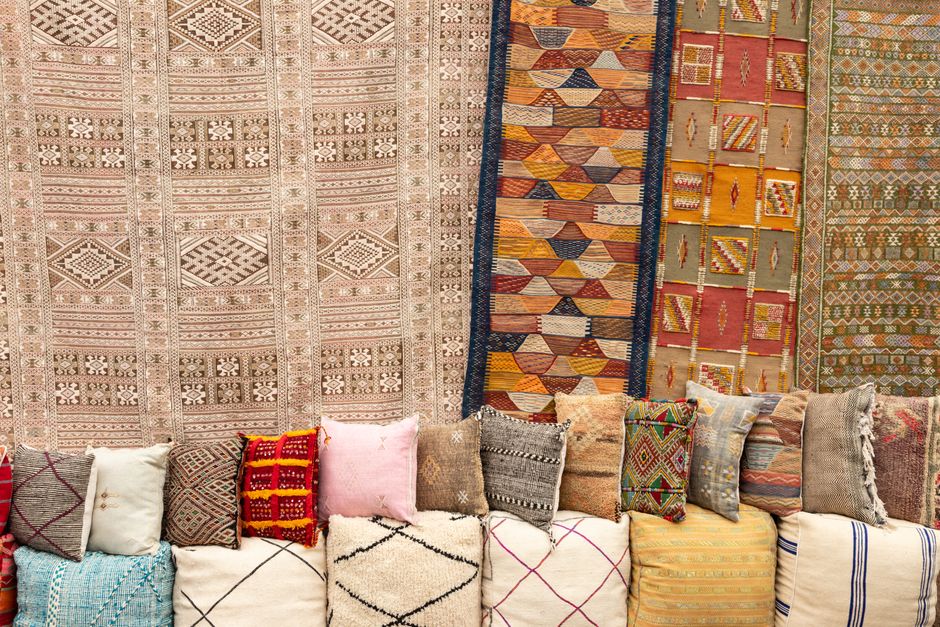
This is the carpet and textile museum. It is housed in a 19th-century palace. The building itself is as interesting as the collection. You will see Berber carpets, wedding blankets, and weaving tools. Entrance is 30 dirhams. It is rarely crowded. Most tourists skip it for the more famous Bahia Palace next door. That is a mistake. Dar Si Said gives you the craft context that makes the souk shopping make sense.
Jardin Majorelle and the Berber Museum
Yes, this is the Instagram-famous blue garden. It is also a legitimate cultural site. The Berber Museum inside holds Yves Saint Laurent’s personal collection of Amazigh jewelry, textiles, and artifacts. The garden itself is a study in Moroccan modernism. Entrance is 120 dirhams for the garden, 30 dirhams more for the museum. Book a timed ticket online at least 3 days ahead. In 2026, the garden hits capacity by 11am most days.
Verdict: Marrakech gives you more cultural sites per day, with better signage, cleaner bathrooms, and clearer pricing. The tradeoff is authenticity. You will share every site with hundreds of other tourists. The culture is curated. But it is curated well.
Food Culture: Where to Eat for the Real Thing
Moroccan food culture is not tagine and couscous on a rooftop. It is street food, home cooking, and the rhythms of when and how people eat. Here is where each city stands.
| Food Experience | Fes | Marrakech | Price (2026) |
|---|---|---|---|
| Street food | Limited. Small stalls near Bab Bou Jeloud. Try bissara (fava bean soup) for breakfast. | Extensive. Jemaa el-Fnaa has 100+ stalls. Quality varies wildly. | 10-40 dirhams |
| Home cooking | Easier to arrange. Many riads offer family-style dinners cooked by the owner’s mother. | Harder. Most riads use professional chefs. Still good, less personal. | 150-300 dirhams |
| Fine dining | Almost nonexistent. A few upscale riads. Not the point of Fes. | Excellent. La Maison Arabe, Nomad, and Dar Yacout are genuinely world-class. | 400-800 dirhams |
| Food tours | Small, informal. Ask your riad owner. Expect to pay 200 dirhams for a market walk with tastings. | Polished operations. Marrakech Food Tours runs a 4-hour evening tour for about $65. | 200-650 dirhams |
The single best food experience in either city is a Fes home dinner. Ask your riad owner. They will either cook for you or arrange a meal with a family in the medina. The food is simpler than restaurant tagines — more vegetables, more olive oil, less sugar. It tastes like someone’s grandmother made it. Because someone’s grandmother did.
Day Trips and the Culture Beyond the City Walls
Both cities are bases for exploring wider Morocco. But the day trip options are very different.
From Marrakech, you can reach the Atlas Mountains in 90 minutes. The Ourika Valley, Imlil, and the Agafay Desert are all doable as day trips. You can also do an overnight to Ait Ben Haddou, the fortified ksar used in Game of Thrones and Gladiator. These are landscape and architecture trips more than deep cultural immersions. They are beautiful. They are also heavily touristed.
From Fes, the day trips are more culturally specific. Volubilis is a Roman ruin with intact mosaics — the best preserved in North Africa. Moulay Idriss is a sacred pilgrimage town where non-Muslims could not stay overnight until recently. Meknes is a quieter imperial city with a massive granary and stables built by Sultan Moulay Ismail. These are not scenery trips. They are history trips. The Roman, Islamic, and Berber layers of Morocco become visible in a way they do not from Marrakech.
If your cultural interest is Islamic and medieval, base in Fes. If you want Roman ruins and mountain villages, Fes still wins for Volubilis. Marrakech wins only if you want desert landscapes and Berber mountain culture specifically.
When to Pick Each City: The No-Regrets Decision
Here is the compressed verdict. No hedging.
Pick Fes if: You have 3+ days, you are comfortable getting lost, you want to see a medieval city that still functions, you are interested in Islamic history and craft traditions, and you do not need nightlife or fine dining. Fes is for the traveler who reads history books and wants to walk through one.
Pick Marrakech if: You have 2-3 days, you want a mix of culture and comfort, you enjoy museums and curated sites, you want good restaurants and rooftop bars, and you plan to use the city as a base for Atlas day trips. Marrakech is for the traveler who wants culture with infrastructure.
The mistake to avoid: Trying to do both in one week. The train between them takes 6.5 hours. That is a full travel day. You will shortchange both cities. If you have 10+ days, do 4 in Fes and 4 in Marrakech with a train day in between. If you have 7 days or fewer, pick one. You will see more and feel less rushed.
Morocco is changing fast. High-speed rail is expanding. Tourism numbers keep climbing. Fes is becoming more accessible, and Marrakech is becoming more commercial. In 2026, the gap between them is still wide enough that the choice matters. In ten years, it may not be. Go now, while the distinction is still real.