Roughly 30 to 50 percent of international travelers to Southeast Asia will get some form of traveler’s diarrhea. Most blame the water. Most are wrong. The real culprit is usually a stall with low turnover, lukewarm broth, or a cutting board that has not seen soap since the Obama administration. The good news: locals have been eating at these stalls for decades without issue. They follow a set of unspoken rules. You can learn them in about ten minutes.
1. Turnover Is the Only Metric That Matters
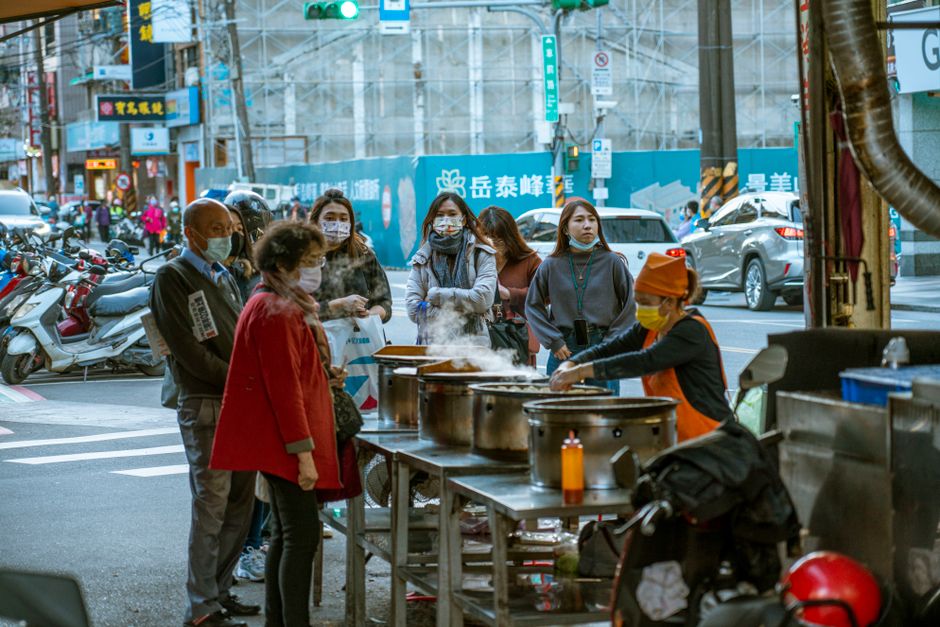
Forget Yelp reviews. Forget Google Maps ratings. The single most reliable indicator of street food safety in Asia is how fast the food moves. A stall with a line of office workers at 12:30 p.m. is serving food that was raw at 11:00 a.m. and fully cooked by noon. Nothing sat overnight. Nothing was reheated from yesterday.
Look for these signals:
- The vendor is actively cooking, not just assembling. Flames, steam, or a wok that never stops moving.
- Ingredients are visibly depleted. A tray of raw chicken that is half empty at 1:00 p.m. means they already sold the first batch and restocked.
- Local customers outnumber tourists at least 3 to 1. If a stall is full of foreigners and empty of locals, ask yourself why.
Food safety at street stalls is a volume game. High turnover means ingredients are fresh by default. Low turnover means the vendor is trying to stretch inventory. That is when bad things happen. A vendor in Bangkok’s Yaowarat district selling 200 bowls of boat noodles a day cannot afford to serve spoiled broth. Their entire livelihood depends on repeat local customers. A tourist-trap stall near Khao San Road only needs to sell to you once.
Bottom line: If the stall is empty and the food is already cooked, walk away. If the stall is crowded and the wok is blazing, get in line.
2. The Heat Test: If It Does Not Burn Your Mouth, Send It Back
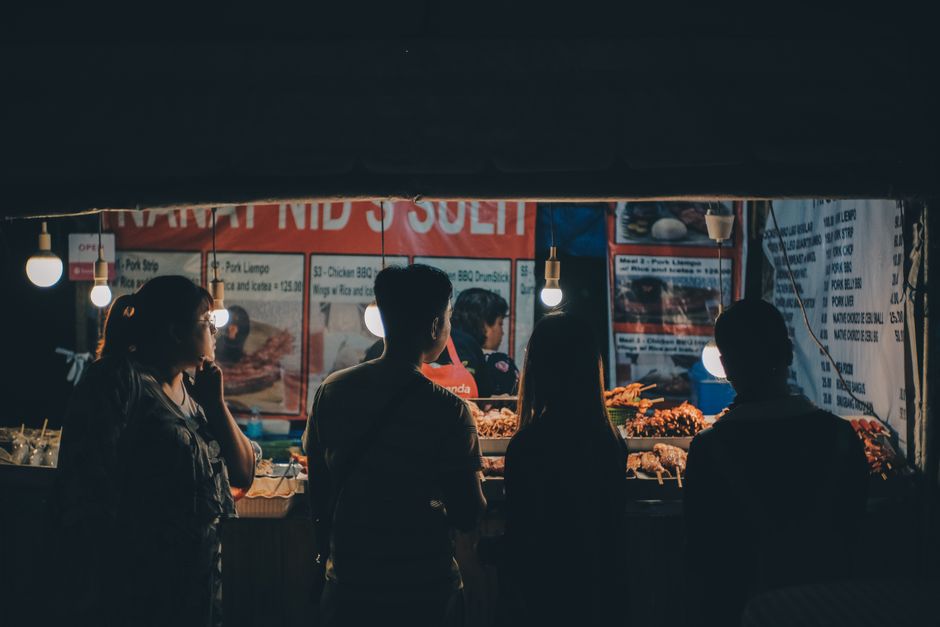
Pathogens die at 165°F (74°C). That is not opinion. That is microbiology. Most street food in Asia is cooked at temperatures far exceeding that. A proper wok runs at 400°F to 500°F. Grilled satay skewers hit 350°F or more. Even a simple bowl of pho gets assembled with broth that has been held at a rolling boil for hours.
The danger is not the cooking. It is the holding. Food that sits at 90°F to 140°F for more than two hours becomes a bacterial incubator. This is why you should:
- Order food that is cooked to order, not scooped from a lukewarm tray.
- Check that soups and broths are visibly steaming. Not warm. Steaming.
- Avoid pre-cooked meats sitting at room temperature, especially in markets that open at 9 a.m. and sell until 9 p.m.
One exception: acidic dishes. Som tam (green papaya salad) in Thailand, gado-gado in Indonesia, and similar lime-heavy preparations have a lower pH that inhibits bacterial growth. That is why locals eat them at room temperature without issue. The acid does the work that refrigeration would normally do.
3. Water, Ice, and the Cutting Board You Should Fear
Here is the hierarchy of what actually makes travelers sick at street food stalls in Asia, ranked by risk:
| Risk Factor | Actual Danger Level | Why |
|---|---|---|
| Lukewarm cooked food | High | Bacterial growth between 90°F and 140°F |
| Unwashed cutting boards | High | Raw meat residue contaminates cooked food |
| Unpeeled raw vegetables | Medium | Washed in tap water of uncertain quality |
| Ice cubes | Low | Commercial ice in Asia is almost universally made from purified water |
| Bottled water | None | Sealed at the factory |
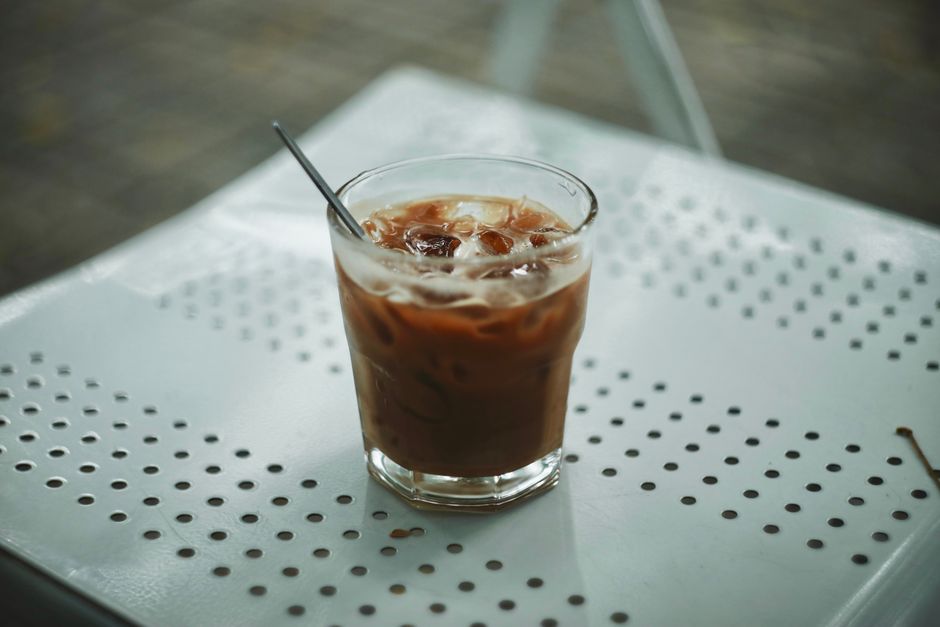
Ice is a red herring. In Thailand, Vietnam, Malaysia, and most of Southeast Asia, ice is produced in commercial facilities that use filtered water. The ice you get in your Thai iced tea is safer than the glass it is served in. What you should actually worry about is the cutting board. A vendor who chops raw chicken and then chops cooked pork on the same board without washing it is committing cross-contamination. Watch for a moment before you order. Does the vendor wipe the board between tasks? Do they use separate boards for raw and cooked? In high-volume stalls, the answer is usually yes. In slow stalls, usually no.
4. The Peel-It-Yourself Rule for Fruits and Vegetables
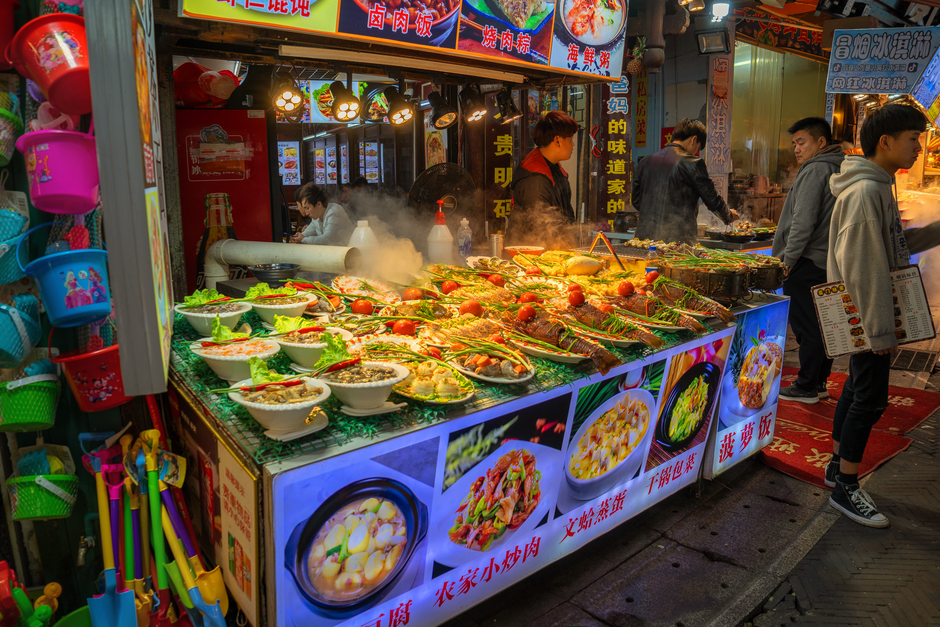
Raw vegetables washed in tap water are a common source of traveler’s diarrhea in Asia. The water in Bangkok, Hanoi, and Jakarta is not safe for foreigners to drink. Rinsing lettuce in that water does not make the lettuce safe. It makes the lettuce a vehicle for whatever is in the water.
The rule is simple: if you cannot peel it, boil it, or see it fried in front of you, do not eat it raw. Bananas, mangoes, dragon fruit, lychee, and rambutan are all safe because the peel protects the flesh. A mango you peel yourself is safe. A pre-cut mango in a plastic bag from a market stall is a gamble. You do not know what knife cut it, what water washed it, or how long it sat in the sun.
This rule has one exception: salads made with lime juice and fish sauce, like som tam. The acid and salt create an environment where most pathogens cannot survive. But even then, order from a busy stall where the salad is made fresh in a mortar and pestle while you watch.
5. Night Markets vs. Day Markets: A Clear Winner
Night markets are safer. This is not a romantic opinion. It is a structural fact. Night markets operate in cooler temperatures, which slows bacterial growth. They also have higher turnover because the entire city shows up after work. A night market stall in Taipei’s Shilin or Bangkok’s Ratchada will sell more food in four hours than a day market stall sells in twelve.
Day markets have one advantage: the food is often cooked earlier and sold throughout the day, which means the first customers get the freshest batch. But by 3:00 p.m., that same food has been sitting for six hours. If you eat at a day market, go early. If you go late, stick to stalls that are still actively cooking.
My pick: Night markets, specifically between 7:00 p.m. and 9:00 p.m. The food is fresh, the turnover is peak, and the atmosphere is better anyway.
6. What to Carry: A Small Kit That Prevents Big Problems
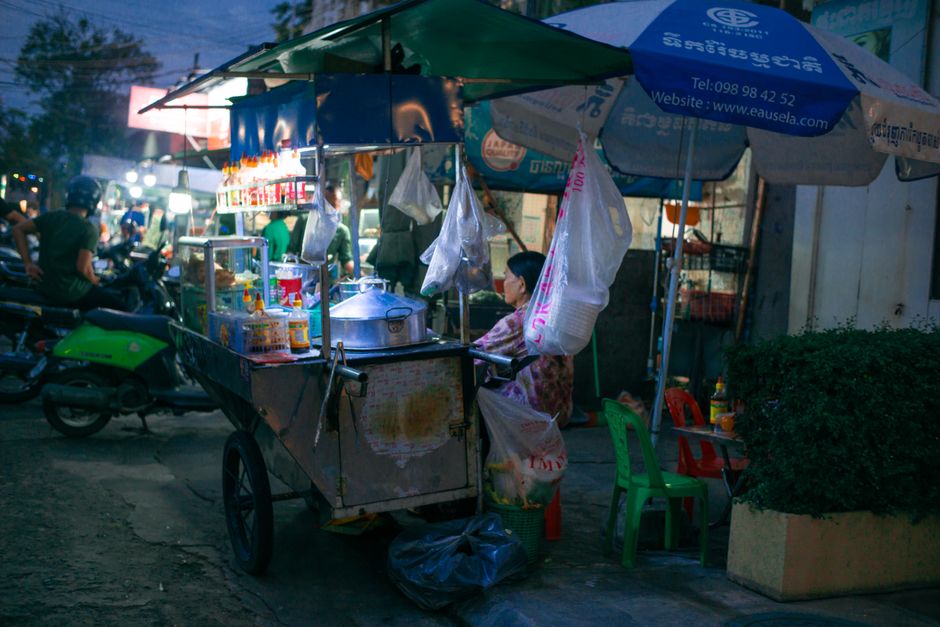
You do not need a pharmacy. You need four things:
- Alcohol-based hand sanitizer (70% minimum). You will touch money, handrails, and motorbike seats before you touch your food. Soap and water are not always available at street stalls.
- Oral rehydration salts (ORS). If you do get sick, dehydration is the real danger. A packet of ORS costs under $1 in any Asian pharmacy. Carry two.
- Bismuth subsalicylate (Pepto-Bismol). Studies show it can reduce the risk of traveler’s diarrhea by up to 60 percent when taken prophylactically. Two tablets, four times a day. It turns your stool black. That is normal.
- A small bottle of filtered water. Not for drinking. For rinsing your hands before eating if sanitizer is not enough.
One thing you should NOT carry: antibiotics taken preemptively. Taking ciprofloxacin or azithromycin before you get sick is a bad idea. It disrupts your gut microbiome and can make you more susceptible to infection. Antibiotics are for when you are genuinely sick, not for prevention.
7. The Verdict: Eat Everything, But Choose Your Stall Like a Local
Street food in Asia is not a health risk if you follow the same rules locals follow. Eat where the line is long. Eat where the food is cooked in front of you. Eat where the broth is boiling and the wok is smoking. Skip the pre-cut fruit. Skip the lukewarm curry. Skip the empty stall with the sad-looking spring rolls that have been there since morning.
In Bangkok, go to the boat noodle stalls along Victory Monument. In Hanoi, eat bun cha at lunchtime when the charcoal grills are firing nonstop. In Penang, the char kway teow stalls on Kimberley Street are a masterclass in high-heat wok cooking. In Taipei, the night markets are among the safest street food environments in the world because of strict municipal health inspections.
The travelers who get sick are not the ones who eat street food. They are the ones who eat at the wrong stall at the wrong time. Fix that, and you can eat your way across Asia without spending a single night in a bathroom.
This is not medical advice. If you get seriously ill, seek medical care. But with the right stall selection, you probably will not need to.