You will probably get a mild stomach upset in India. That is the honest starting point. But you can avoid the severe, trip-ruining version — the kind that chains you to a hotel bathroom for four days — by following a few unglamorous rules. This guide is not about fear. It is about eating incredible street food without paying for it for a week.
The core problem is not spice. It is fecal-oral contamination. Tiny amounts of human or animal waste get onto food, water, or your hands. Your stomach acid kills most of it, but not all. The bacteria that survive — usually enterotoxigenic E. coli (ETEC), Campylobacter, or Shigella — multiply in your gut and cause chaos. Locals have built up immunity over a lifetime. You have not. So you need a different playbook.
The Water Rule That Actually Works
Tap water is never safe, even in five-star hotels. Not for brushing teeth, not for rinsing your mouth in the shower, not for swallowing a little while swimming. Buy bottled water from reputable shops, check the seal is intact, and avoid brands you have never heard of. Bisleri and Kinley are the two big names you will see everywhere. A 1-liter bottle costs 20–30 rupees ($0.25–$0.40).
But plastic waste is real, and India is drowning in it. A better option for longer trips is a SteriPEN Ultra ($99) or a Grayl GeoPress purifier bottle ($99). The Grayl filters viruses, bacteria, and protozoa in 8 seconds. The SteriPEN uses UV light and works on clear water. Both are cheaper than a single doctor visit abroad and far better for the planet than 40 plastic bottles.
Ice is the sneaky one. Most restaurants buy ice from commercial suppliers who use filtered water. That ice is usually fine. But street stalls sometimes make ice from tap water. If you see a block of ice being chipped on the side of the road, skip it. In a proper restaurant, ice in your drink is generally safe.
Street Food: Eat It, But Choose Like a Local
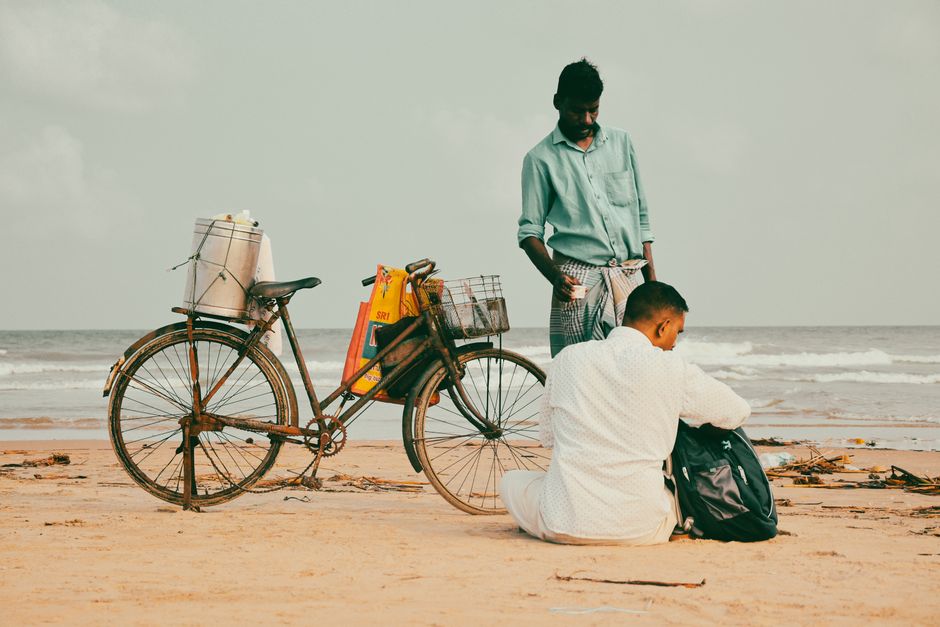
Do not avoid street food entirely. That would be a crime. Some of the best food in India comes from a cart with no name. The rule is not “avoid street food.” The rule is “eat where it is busy and cooked in front of you.”
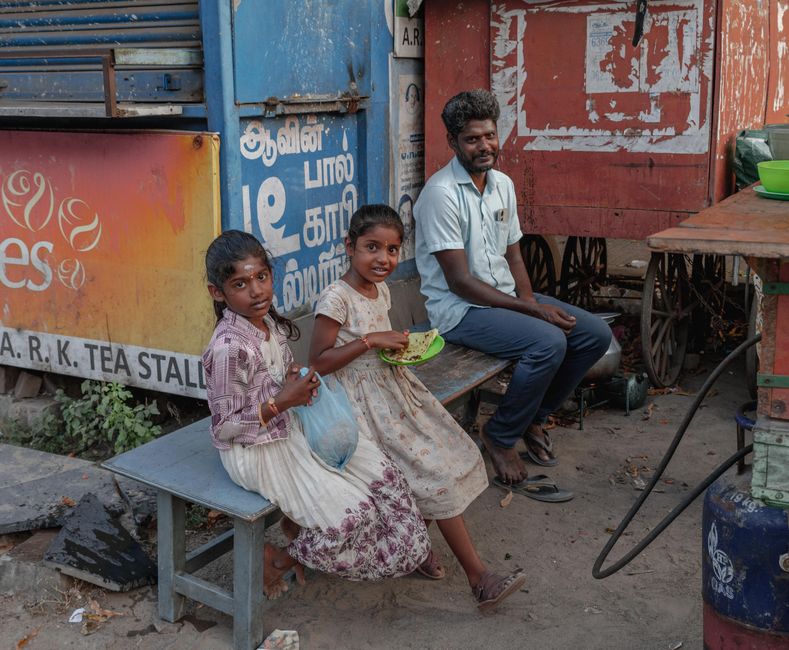
High turnover means food has not been sitting for hours. A stall with a long line of locals is your best signal. A stall with no customers at 1pm is a warning. Look for items cooked at high heat right before serving: samosas, pakoras, jalebis, dosas, freshly fried puri. The oil kills most pathogens.
Avoid anything raw that has been washed in tap water. That means salads, cut fruit from a cart, chutneys that have been sitting out, and garnishes of coriander you did not see being washed. Fruit you peel yourself — bananas, oranges, mangoes — is safe. A pre-cut watermelon slice is a gamble.
One specific mistake tourists make: ordering “fresh” juice from a cart. The juice itself might be fine, but the blender was probably rinsed with tap water, and the ice added after blending is suspect. If you want juice, ask for no ice and watch them make it. Or stick to coconut water from a fresh coconut they cut open in front of you.
What to Pack: The Medication List
Do not rely on buying medicine in India if you are already sick. Pack these before you leave. They are small, cheap, and can save your trip.
- Oral Rehydration Salts (ORS) — The single most important item. Brands like DripDrop ORS ($12 for 8 packets) or WHO formula packets (pennies each) replace the fluids and electrolytes you lose. Plain water is not enough. Mix one packet in clean water and sip slowly.
- Loperamide (Imodium) — Stops the symptoms but not the infection. Use it only when you must travel (a bus, a flight, a train with no bathroom). Do not use it if you have a fever or blood in your stool. That traps the bacteria inside.
- Azithromycin — A prescription antibiotic. Many travel doctors prescribe it as a standby treatment for severe traveler’s diarrhea. The typical dose is 500mg once daily for 3 days. Talk to your doctor before you go. Do not self-medicate without a plan.
- Bismuth subsalicylate (Pepto-Bismol) — Taking two tablets four times daily can reduce the risk of getting sick by about 60%, according to CDC data. It turns your tongue and stool black, which is harmless but alarming if you do not know.
Some travelers swear by Dukoral, an oral vaccine against cholera and ETEC. It is available in Canada and Europe but not approved in the US. It costs about $60–80 per dose. The evidence is mixed, but it is not harmful. If you are high-risk or anxious, ask a travel clinic.
The Hand Sanitizer Mistake
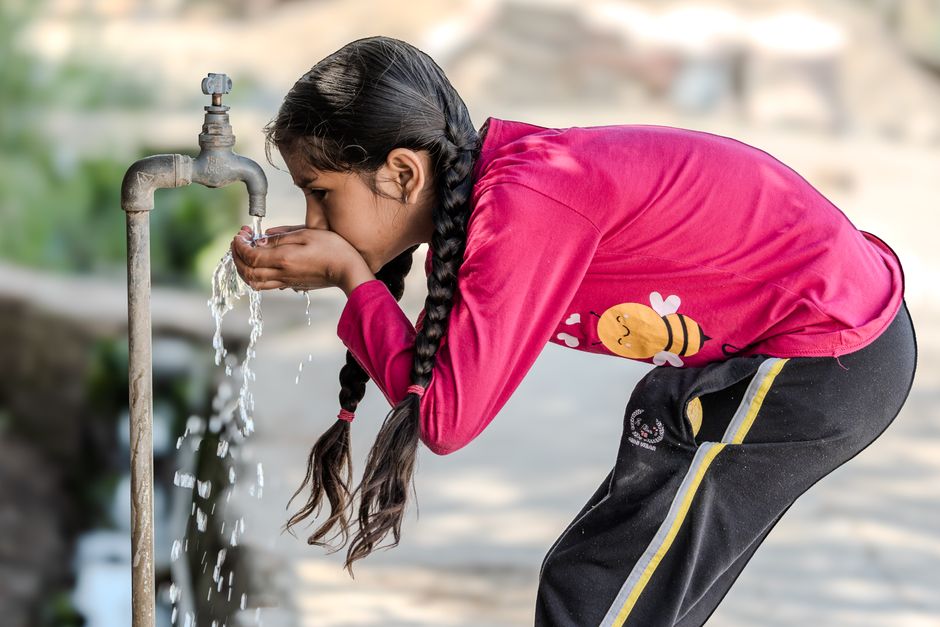
Hand sanitizer is not a substitute for handwashing. It is a supplement. The CDC is clear: alcohol-based sanitizers do not kill norovirus, and they are less effective on visibly dirty hands. In India, your hands get visibly dirty fast — from touching money, railings, door handles, and your own shoes.
Wash your hands with soap and water before every meal. Carry a small bar of soap or a travel-sized Dr. Bronner’s liquid soap ($4) because many public restrooms do not have any. Then use hand sanitizer as a second layer. A bottle of Purell Advanced ($3) clipped to your bag is convenient, but it is not the main defense.
Also: stop touching your face. This is the hardest habit to break. You touch a contaminated surface, rub your eye, and introduce bacteria directly to a mucus membrane. It happens in seconds. Be conscious of it for the first three days, and it becomes easier.
When to See a Doctor (And When to Ride It Out)
Most traveler’s diarrhea resolves in 3–5 days without antibiotics. You will feel miserable, but it passes. The danger signs are different. If you have a fever above 101°F (38.3°C), blood in your stool, severe abdominal pain, or symptoms lasting more than 5 days, see a doctor. In India, private hospitals like Apollo or Fortis are excellent and far cheaper than Western hospitals. A consultation costs $15–30.
Do not try to “tough it out” if you cannot keep fluids down. Dehydration is the real killer, not the bacteria. If you are vomiting and cannot hold ORS, you need IV fluids. That is a simple, cheap treatment at any clinic.
What about probiotics?
Evidence is weak. Some studies suggest Saccharomyces boulardii (Florastor, $20 for 20 capsules) may reduce the risk of antibiotic-associated diarrhea. It is not a magic shield against traveler’s diarrhea. Take it if you want, but do not skip the water and food rules because you took a probiotic.
Is it safe to eat at luxury hotels?
Mostly yes. Five-star hotels have filtered water systems and strict kitchen hygiene. But even they cannot control every ingredient. A salad washed in tap water at the Taj Mahal Palace is still a risk. Use the same rules: hot food, peeled fruit, bottled water.
Quick Comparison: Prevention vs. Treatment
| Method | What It Does | Cost | Verdict |
|---|---|---|---|
| Bottled water (Bisleri/Kinley) | Avoids contaminated water | $0.30 per liter | Essential, but plastic-heavy |
| Grayl GeoPress bottle | Filters viruses and bacteria | $99 one-time | Best for long trips |
| Pepto-Bismol preventive | Reduces risk by ~60% | $10 per bottle | Good for short, high-stakes trips |
| Azithromycin standby | Treats severe infection | $15–30 with prescription | Pack it, but use only if severe |
| Imodium | Stops symptoms temporarily | $8 per box | Travel days only, never with fever |
For a two-week trip, my pick is this: a Grayl bottle for water, strict street food rules, Pepto-Bismol if you want extra insurance, and azithromycin packed just in case. That covers 90% of scenarios without turning you into a paranoid traveler who eats only packaged biscuits.