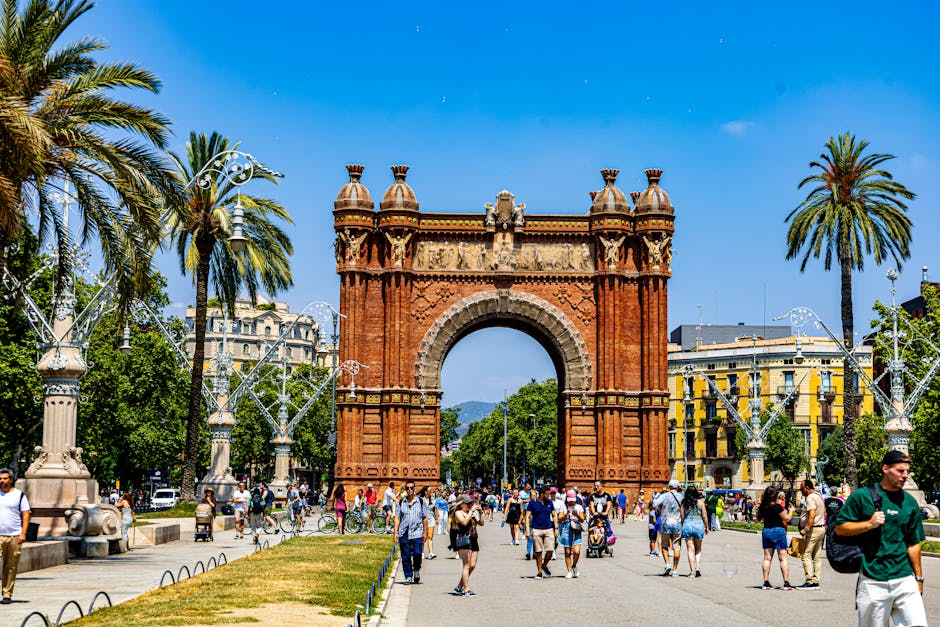
February city breaks often go wrong in the same way: a visitor plans a summer-length route, loses two hours to weak daylight and rain, then spends the evening recovering in a hotel room. A better plan treats grey light as a condition to design around, not a problem to wish away.
Why February city walks need shorter routes
Grey light changes how a city feels and how far you can comfortably walk. The streets may be quiet, but low contrast makes landmarks less dramatic, wet paving slows your pace, and cold wind turns an exposed waterfront into a poor place to linger. The answer is not to fill every hour with museums. It is to build a route with short outdoor sections, warm indoor pauses and one clear reason to keep moving.
Use the two-hour outdoor limit
For most February visitors, a useful block is 75 to 120 minutes outside, followed by 30 to 60 minutes indoors. That gives you enough time to cross a historic centre or follow a riverfront without forcing a long lunch break into an emergency shelter. A route of 3 to 5 kilometres is usually enough for one block. Add more distance only when the pavement is dry and the wind is light.
Start near a place that is worth seeing in flat light: a market hall, old station, covered arcade, church interior or major museum. Finish near another indoor option. This matters more than a perfect viewpoint. If the sky stays white all day, architecture with texture, lamps and shop windows will photograph better than a distant skyline.
Follow warmth, texture and easy exits
The best February route has three qualities: frequent cafés or public interiors, surfaces that remain walkable after rain, and transport stops placed every 15 to 20 minutes. Avoid routes that depend on a single sunset view. If clouds erase the colour, the itinerary collapses.
My rule is simple: plan one memorable outdoor sequence, not an entire day outdoors. A grey-light city walk should feel spacious, not heroic. For 2026 travel planning, check the forecast again 24 hours before departure and cut the longest exposed section first.
How to choose a February walking route by daylight
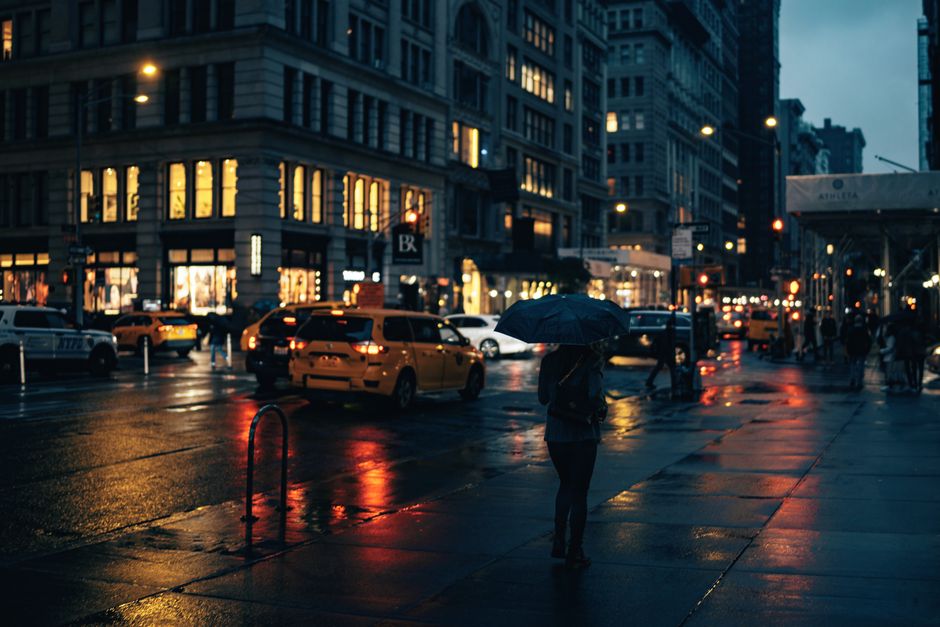
Daylight is limited, but the useful window is longer than the sunrise-to-sunset numbers suggest. You can walk safely and comfortably in civil twilight, provided the route has good lighting and does not depend on distant views. Mid-February usually gives more usable time than the first week of the month, but local weather matters more than a small change in sunrise.
| City | Approximate mid-February daylight | Best outdoor block | Route length | Weather backup |
|---|---|---|---|---|
| Vienna | 7:05 to 17:20 | 10:00 to 12:00 or 13:30 to 16:00 | 3 to 5 km | Museums, cafés and covered markets |
| Paris | 7:55 to 18:10 | 10:30 to 13:00 or 14:30 to 17:00 | 3 to 5 km | Passages, department stores and galleries |
| London | 7:15 to 17:15 | 9:30 to 11:30 or 13:30 to 16:00 | 3 to 4 km | Markets, galleries and pubs |
Pick the side of the street before you pick the landmark
In February, a sunny south-facing pavement can feel several degrees warmer than a shaded north-facing one. On a river route, the sheltered bank often beats the famous bank. In Vienna, streets around the Ring can offer better shelter than open parks. In Paris, arcades and narrow streets soften wind. In London, a route that alternates between the South Bank and indoor stops is more reliable than a long exposed walk beside the Thames.
Set a hard turnaround time
Choose a turnaround time before you leave. If rain begins at 15:00, do not keep walking because the next landmark is only 20 minutes away. Turn into the nearest interior, take the transport connection and protect the evening. That decision keeps a soft itinerary soft.
Bottom Line: choose a 3-to-5-kilometre route, schedule it inside the brighter part of the day, and keep an indoor stop within 20 minutes. The most photogenic route is not automatically the best February route.
Which transit passes earn their cost on a walking day?

The product worth buying is the one that protects the route. A city pass is not automatically good value just because it includes discounts. If you plan to walk most of the day, compare its fixed price with the cost of two or three short rides and one emergency return.
| Travel product | Published 2026 price detail | Best use | My verdict |
|---|---|---|---|
| Vienna 24-hour digital transit ticket | €9.70 | Two or more tram, bus or metro rides in one day | Best low-cost safety net for a long walking day |
| Vienna City Card | From €19, with public transport and attraction discounts | Several paid attractions plus repeated transit | Skip it if the day is mainly free streets and cafés |
| Paris Visite 1-day adult pass | €30.60 for the listed 2026 tariff | Heavy transport use, including airport or outer-zone travel | Poor value for a central walking itinerary |
| Visitor Oyster Card | From £20.50 including card cost and initial credit | Visitors making several London journeys | Useful, but contactless payment may be simpler for eligible cards |
Buy the fallback, not the fantasy
The Vienna 24-hour digital transit ticket is the strongest fit for a walking itinerary because €9.70 buys flexibility without forcing you to visit enough attractions to break even. The Vienna City Card makes sense only when you have a paid museum or attraction plan as well as transport needs.
Paris is the clearest case for restraint. A €30.60 Paris Visite day pass can be reasonable for airport travel or repeated rides across the region, but it is hard to justify when your plan is a central 4-kilometre walk with one return journey. In London, the Visitor Oyster Card offers a known starting cost, yet a contactless bank card can be easier if your card supports the system and every traveller has a separate payment method.
This is not financial advice. Treat these figures as travel-budget inputs and confirm the official fare page before purchase because transport prices and eligibility rules can change.
Bottom Line: for a walking-first day, buy flexibility only when it costs less than the mistakes it prevents. Vienna’s 24-hour ticket is the clearest winner here; Paris Visite is the easiest pass to overbuy.
Five mistakes that ruin a soft winter itinerary
- Starting with the farthest sight. A long first transfer wastes the brightest part of the day. Begin near the neighbourhood you want to walk, then use transport later if energy or weather fails.
- Planning a waterfront route without a wind exit. Rivers and harbours can feel much colder than inland streets. Mark a bridge, station or indoor venue every 20 minutes and leave as soon as the wind becomes the main experience.
- Trusting a weather app’s daily average. A 40% chance of rain does not tell you when the rain arrives. Check the hourly view, precipitation radar and wind speed on the morning of the walk.
- Wearing shoes chosen for appearance. Wet paving, cobblestones and 12,000 steps expose weak soles quickly. Choose waterproof or water-resistant shoes with a firm grip, then test them on a shorter walk before the trip.
- Saving every indoor stop for the evening. If the weather turns at noon, you need somewhere useful to go immediately. Pick one museum, market, gallery or café near the route rather than treating shelter as an afterthought.
The common thread is poor recovery planning. A good route can absorb one wrong decision. A brittle route depends on perfect light, dry pavement and unlimited energy at the same time.
February city walk questions, answered
Is February too dark for a walking holiday?
No, but it is too dark for a summer-style schedule. Use the middle of the day for outdoor routes, then shift toward museums, markets, arcades and cafés as the light fades. In Vienna, Paris and London, the city remains active after sunset, but the walking should become shorter and more local.
What should I wear for a grey-light city walk?
Use three practical layers: a moisture-managing base layer, a warm mid-layer and a waterproof shell. Add gloves that still let you use your phone, socks that stay warm when damp and shoes with enough grip for polished stone. A small umbrella helps in Paris, but a hooded shell is usually better on exposed London or Vienna routes.
Which city is the best choice for a first February walk?
Choose Vienna for the most reliable combination of grand architecture, short transit connections and indoor cultural stops. Its Ringstrasse and MuseumsQuartier route gives you a clear visual payoff without requiring a full-day march. Paris is the best choice for covered passages and café breaks; London wins when you want neighbourhood variety and frequent escape options.
My specific recommendation is Vienna: walk from Schottentor to MuseumsQuartier in the brighter part of the day, keep the route near 4 kilometres, and carry the €9.70 24-hour transit ticket as your weather insurance. That combination delivers the most comfortable February city walk without pretending grey light is something it is not.