Planning a trip can be a nightmare. You know the drill: you’re staring at your screen, tabs multiplying faster than rabbits, trying to figure out if that amazing waterfall hike is even accessible in October, or if that highly-rated restaurant is a tourist trap. The internet promised us all the information, but really, it just gave us *too much*. Every travel blog, every forum, every glossy website claims to have the definitive guide. How do you cut through the noise and find the actual good stuff?
I’ve been there. For years, I wasted hours sifting through outdated blogs and generic lists. I followed recommendations that led to disappointment. It took dozens of trips and countless late nights researching to figure out which travel guide websites are genuinely useful, and which are just selling you something. So, you want to know which sites I actually use? Which ones deliver reliable, actionable advice for a real trip? I’ll tell you.
The Information Overload Is Real – How I Found My Go-To Sites
Honestly, the biggest problem with trip planning isn’t a lack of information; it’s the sheer volume of mediocre, repetitive, or outright wrong information. I learned this the hard way. Early on, I’d just Google "things to do in Paris" and click the first few results. Big mistake. You end up with the same five recommendations: Eiffel Tower, Louvre, Notre Dame. Great, but what about the hidden gems? The local spots? The authentic experiences that don’t cost a fortune?
My advice? Don’t trust every "top 10" list out there. Most are churned out by content farms. You need sources with authority, passion, and recent updates. I’ve honed a system over the years, distinguishing between the noise and the gold.
My Early Travel Planning Mistakes
I remember one trip to Rome where I relied solely on a popular, generic travel blog. It suggested a particular "authentic Italian restaurant" near the Pantheon. We went, excited. It was packed with tourists, the food was bland, and the prices were sky-high. We paid €70 for two mediocre pasta dishes and a shared carafe of house wine. My fault entirely for not cross-referencing with a more respected source or, better yet, asking a local.
Another time, I booked a highly-touted "budget" hostel through a major booking site, based on its high star rating. The photos were misleading. The place was dirty, loud, and felt unsafe. The reviews, it turned out, were mostly from first-time backpackers who had nothing to compare it to. This taught me a harsh lesson: aggregate ratings aren’t always accurate, and context matters.
What I Learned About Trusting Online Information
First, always check the publication date. An article from 2026 about current prices or open attractions in a fast-changing city like Tokyo is useless in 2026. Second, look for specificity. Does it list exact street names, opening hours, or entrance fees? Vagueness is a red flag. Third, consider the source’s bias. Is it trying to sell you a specific tour or hotel? Look for independent voices.
For Deep Dives and Cultural Immersion: Lonely Planet vs. Rick Steves

When I want to truly understand a place, its history, and its culture, I turn to these two titans. They aren’t just lists of attractions; they offer context. But they serve different travel styles, so you need to pick wisely.
Lonely Planet: The Backpacker’s Bible (and Why It Still Holds Up)
Lonely Planet has been my go-to for decades, especially for adventurous, independent travel. Their guides, both online and in print, are meticulously researched. They cover everything: local transport, accommodation for all budgets (from hostels to boutique hotels), dining, and incredibly detailed walking tours. For my three-month trip through Southeast Asia, the Lonely Planet guides were indispensable. I used their offline maps constantly, and their recommendations for local eateries often led to unforgettable meals for under $5.
What I love: The sheer depth of information. They don’t just tell you *what* to see, but *how* to see it, including practicalities like visa requirements, local customs, and safety tips. Their "responsible travel" sections are genuinely useful. Their "Top Experiences" are usually spot-on for getting a good overview, and the "Off the Beaten Track" suggestions are where the real adventure begins. They offer digital guides for around $10-15 per city or region, which is a steal considering the content.
Rick Steves: Europe’s Ultimate Storyteller
If you’re traveling to Europe and want a rich, cultural experience without feeling like a mere tourist, Rick Steves is unparalleled. His focus is on understanding the historical and artistic significance of sites, rather than just ticking them off a list. His guides often include thoughtful essays and detailed walking tours that illuminate the local culture. I remember using his audio tours at the Colosseum in Rome and the Louvre in Paris; they added so much depth that I would have missed just reading a sign. His website also has a vast library of free articles and videos.
Rick Steves is less about budget backpacking and more about efficient, insightful exploration. He’s very strong on practical advice for navigating European cities, using public transport, and avoiding tourist traps. His restaurant recommendations are fewer but generally excellent and focus on quality local cuisine. For a two-week trip through Italy, his Italy guide (available digitally for about $15-20) was invaluable. He clearly states his preferences and why, which builds immense trust.
The Best Free Resources for Budget Travelers
Not everyone wants to drop $15 on a guide, especially if you’re just looking for quick tips or hyper-specific budget advice. These two are my top picks for free, reliable information.
Nomadic Matt’s Budget Travel Tips
Matt Kepnes (Nomadic Matt) has built an empire on budget travel, and his website is packed with incredibly practical, no-nonsense advice for saving money on the road. From finding cheap flights and accommodation to cooking your own meals and using loyalty programs, he covers it all. I’ve personally used his strategies to save hundreds of dollars on trips. For instance, his deep dives into specific airline reward programs or how to find free walking tours are golden. He gives you the exact steps, not just vague suggestions. His articles are often updated, reflecting current prices and trends, which is crucial for budget planning. He also has a thriving forum where real travelers share up-to-date information.
WikiTravel: Crowdsourced Wisdom
Yes, WikiTravel. Skeptics might scoff, but for quick, essential info, it’s surprisingly good. Think of it like Wikipedia for travel. It’s a collaborative project, meaning volunteers update and maintain city and country guides. I use it for basic practicalities: "How to get from the airport to downtown," "local currency," "emergency numbers," "common scams." It might not give you the soulful narrative of a Lonely Planet guide, but for facts and logistics, especially in less-traveled areas, it’s a lifesaver. Just be sure to cross-reference any critical information, as it’s user-generated. For example, when planning a spontaneous trip to a small town in rural Spain, WikiTravel was the only place I found clear, concise instructions on bus routes and schedules.
Quick Trip Planning? Don’t Waste Time on Fodor’s.

Look, I get it. Fodor’s has a long history. But in the age of dynamic online content, their website feels… thin. If you want a glossy, broad overview without much depth, it might suffice. But for any serious trip planning, where you need concrete details, budget breakdowns, or unique experiences, you’ll be quickly frustrated. Their content often reads like repurposed magazine articles from years ago. You won’t find the granular details you need, and their recommendations are frequently generic. Just skip it. There are better, more current options.
Deciding Your Destination and Vibe: What to Look For
Before you even start digging into specific websites, you need to know what kind of trip you want. This is where many people go wrong, leading to frustration when a generic guide doesn’t match their adventurous spirit, or a backpacker’s site doesn’t cover their luxury needs.
How Do I Pick a Travel Guide That Matches My Style?
It’s about matching the guide’s philosophy to your own. If you’re a budget traveler who loves hostels and street food, a high-end luxury travel magazine won’t help you much. Similarly, if you’re planning a romantic anniversary trip, a blog focused on solo backpacking won’t hit the mark. Ask yourself:
- Budget: Are you pinching pennies or splurging?
- Pace: Do you want to hit every major sight, or slowly savor a few experiences?
- Group: Solo, couple, family with young kids, or friends?
- Interests: History, art, food, adventure sports, relaxation?
- Comfort Level: Are you okay with roughing it, or do you need certain amenities?
Once you’ve got a clear picture of your ideal trip, finding the right guide becomes much easier. For example, for family travel, sites like Travel Mamas or Kids Love Greece (for specific destinations) offer invaluable perspectives on kid-friendly activities, accommodation, and navigating with little ones. These niche resources often beat general guides hands down.
What’s the Difference Between Destination Guides and Trip Planners?
This distinction is crucial. A destination guide (like Lonely Planet or Rick Steves) provides comprehensive information about a place: its history, culture, sights, food, accommodation, transport. It’s a reference book for a location. A trip planner (like a basic itinerary builder on TripAdvisor or Google Travel) helps you organize *your specific trip* within that destination. It’s a tool to schedule your days, book flights, and manage reservations.
You usually start with a destination guide to learn about a place and decide what you want to do. Then, you use a trip planner to put it all together. Don’t expect one website to perfectly do both. For example, I’ll use Lonely Planet to identify key neighborhoods and attractions in Berlin, then use Google Maps and my own spreadsheet to build my daily itinerary and mark specific restaurants or shops.
The Rise of Niche Travel Blogs and Local Experts
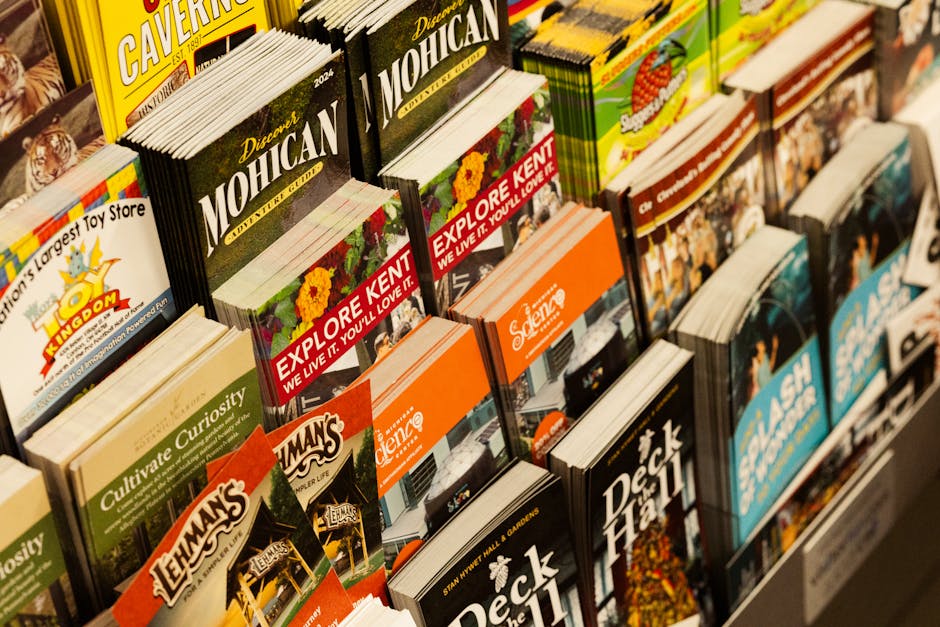
The internet’s democratization of content has been a . Beyond the big publishers, there’s a universe of specialized blogs run by passionate travelers or even locals. These can offer incredibly unique insights that mainstream guides miss.
Finding Hyper-Local Advice Beyond the Big Names
Sometimes, the best advice comes from someone who lives in the city you’re visiting. I’ve discovered amazing hole-in-the-wall restaurants, obscure art galleries, and lively neighborhood markets by searching for blogs written by locals. My method: Google "[city name] local blog" or "[city name] expat guide." You often stumble upon gems like "Secrets of Barcelona" or "Paris Through a Local’s Eyes." These blogs are fantastic for truly authentic experiences. They don’t have the budget of a Lonely Planet, but their intimacy with the subject often makes up for it. For my last trip to Lisbon, a local food blog called "Eat Portugal" led me to a tiny tavern serving the best grilled sardines I’ve ever had, a place no major guide mentioned.
When to Trust a Personal Blog Over a Major Publisher
You need a discerning eye here. A major publisher like Rough Guides has a team of professional researchers and editors. A personal blog might be one person’s opinion. But that personal opinion can be invaluable if the blogger is truly knowledgeable and passionate. Look for:
- Passion and Expertise: Does the blog focus exclusively on one region or niche (e.g., "Vegan Travel in Berlin")?
- Specificity: Do they provide detailed directions, prices, and personal anecdotes?
- Updates: Is the content recent? A blog updated regularly is a good sign.
- Engagement: Do they respond to comments? This indicates an active, caring author.
I find niche blogs are best for specific interests (food tours, specific hikes, unique shopping experiences) or for finding things that are genuinely off the beaten path. They fill in the gaps left by broader guides.
My Top Picks for Specific Travel Styles (2026 Insight)
After years of testing and countless miles, here’s my concise verdict on which travel guide websites excel for different types of trips. This is what I actually use, and what I recommend to friends.
| Travel Style | Best Website | Why It Wins | Typical Cost (Digital Guide) |
|---|---|---|---|
| Adventure & Backpacking | Lonely Planet | Unmatched depth, practical logistics, global coverage. Reliable. | $10-15 per guide |
| Cultural Immersion (Europe) | Rick Steves’ Europe | Insightful historical context, efficient touring, authentic experiences. | $15-20 per guide |
| Budget Travel & Saving Money | Nomadic Matt | Specific, actionable tips for cutting costs, flight deals, hostels. Free content. | Free (blog posts) |
| Quick Facts & Logistics | WikiTravel | Fast, user-generated practical info (transport, basic safety). Best for less-trodden spots. | Free |
| Niche & Hyper-Local | Local Blogs (e.g., "[City] Foodie") | Deep dives into specific interests, hidden gems. Requires careful vetting. | Free |
| General Inspiration & Visuals | Atlas Obscura | Highlights unusual, curious places. Great for discovering unique spots. | Free |
| Group Tours (Research) | Rough Guides | Good for researching destinations if you’re considering a structured tour. | $10-15 per guide |
Comparing Key Features and Costs
As you can see, the "best" website really depends on your needs. For my money, Lonely Planet and Rick Steves remain the gold standard for comprehensive, professionally researched guides. Their digital versions are reasonably priced, usually between $10 and $20, and offer offline access – a huge benefit when you’re without Wi-Fi. Nomadic Matt and WikiTravel are fantastic free resources that fill specific niches for budget and quick facts, respectively. For those genuinely obscure, unforgettable experiences, you need to put in the legwork to find a good local blog. They cost nothing but time.
Ultimately, don’t just rely on one source. Use Lonely Planet for the backbone of your trip, cross-reference logistics with WikiTravel, pick up some budget tips from Nomadic Matt, and then sprinkle in some local blog finds for truly unique experiences. That’s how you get the best of all worlds.