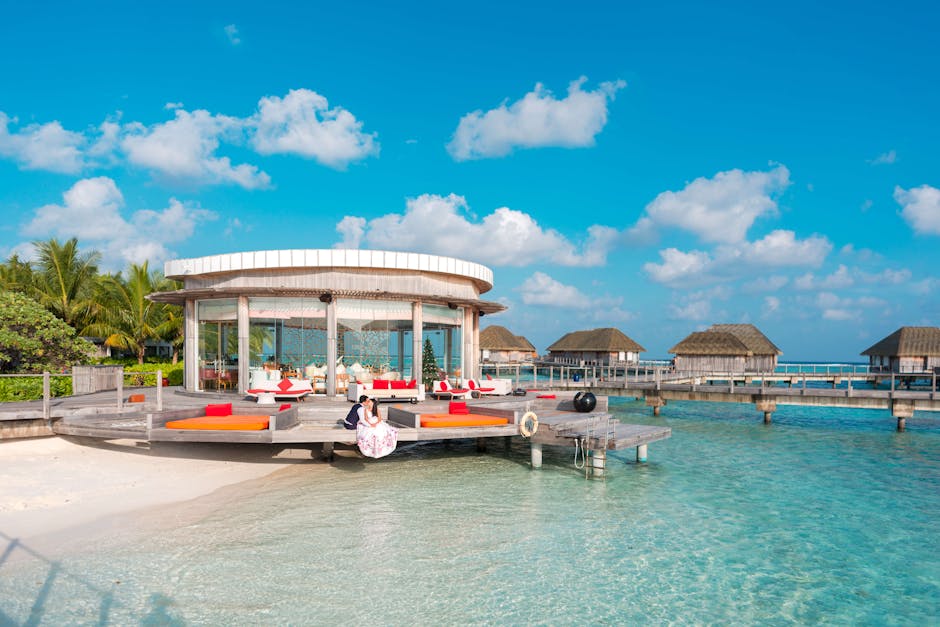
Here’s the misconception that costs most travelers their budget before they’ve unpacked: the Philippines is cheap, therefore Philippine luxury must be affordable luxury. That logic is half-right — and the wrong half shows up on your credit card statement after checkout.
Amanpulo, on the private island of Pamalican, starts at around $2,000 per night for a casita. That’s not a budget anomaly — it benchmarks favorably against top Maldives properties at the same price point. Balesin Island Club, one of the most exclusive private island clubs in Southeast Asia, charges membership fees before you ever book a room. Philippine luxury at its upper end is not a bargain. It’s a different product entirely.
This matters because searching for luxury resorts in the Philippines returns a wildly inconsistent bucket — from genuinely world-class private islands to mid-range beach hotels with inflated marketing copy. Knowing the difference before you pay a deposit is the whole game.
Luxury Is Concentrated on Five Islands — Not Seven Thousand
The archipelago covers 300,000 square kilometers. Most of those islands have no resort infrastructure at all. High-end accommodation clusters around a handful of areas, and they deliver very different experiences.
Palawan is the most celebrated. The island chain running through El Nido and Coron offers dramatic limestone karst scenery, UNESCO-protected reefs, and some of the most biodiverse marine environments on the planet. El Nido Resorts, operated by Ten Knots Group, runs four private island properties in the bay — Miniloc, Lagen, Pangulasian, and Apulit. These aren’t cheap ($400–$900/night depending on season), but access to the Bacuit Archipelago snorkeling is genuinely unmatched.
Siargao built its reputation on surfing and has since attracted boutique development. Dedon Island Resort, set on a small island in the Siargao lagoon, runs around $500–$800/night. The furniture is literally designed by the resort’s parent furniture brand — it’s a design-forward product aimed at travelers who want comfort without a corporate hotel feel. Niche, but legitimately excellent.
Boracay went through a government-mandated six-month closure in 2026 and came back with tighter environmental controls. Shangri-La Boracay Resort and Spa anchors the northern end of the island — away from the crowded main beach strip — with rooms starting around $350/night. It’s the safest predictable-luxury bet on the island. The brand consistency is reliable in a way that newer boutique properties here often aren’t.
Batangas, three hours from Manila, hosts The Farm at San Benito — a medical wellness retreat that blends villas with detox programs, plant-based dining, and structured holistic therapies. Rates start around $400/night, with mandatory wellness packages on longer stays. It draws a specific traveler: someone who wants a retreat, not a beach holiday.
Cebu and Bohol anchor the accessible mid-to-upper tier. Shangri-La Mactan covers a large Cebu property with multiple pools and a decent private beach, typically $200–$400/night. For Bohol, Eskaya Beach Resort and Spa sits on the quieter south coast of Panglao Island with villas from $200–$350/night — underrated, genuinely local-feeling, and significantly less crowded than Boracay equivalents.
Resort Prices and Features Side by Side
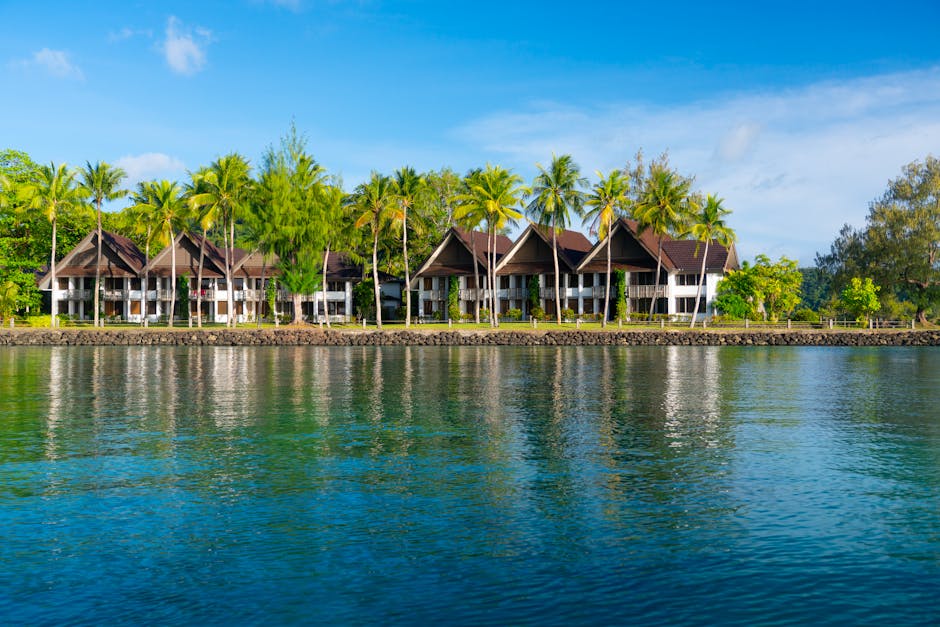
Prices below are approximate rack rates for standard rooms or entry villas in peak season (December–April). Direct booking, off-peak timing, and package deals can reduce these by 20–40%.
| Resort | Location | Price/Night (Peak) | Best For | Access from Manila |
|---|---|---|---|---|
| Amanpulo | Pamalican Island | $2,000–$5,000 | Ultra-privacy, adults-only exclusivity | Private charter (~45 min, $600–$1,000/person) |
| El Nido Resorts — Lagen Island | Palawan | $600–$900 | Marine biodiversity, jungle-cliff setting | Flight to Lio + boat transfer (2.5 hrs total) |
| El Nido Resorts — Pangulasian | Palawan | $400–$700 | Sandy beach, sunset-facing villas | Flight to Lio + boat transfer (2.5 hrs total) |
| Dedon Island Resort | Siargao | $500–$800 | Design-forward, surf culture adjacent | Flight to Siargao (~1.5 hrs) + short boat |
| Shangri-La Boracay | Boracay | $350–$600 | Reliable brand luxury, beach access | Flight to Kalibo + ferry + van (~3 hrs) |
| The Farm at San Benito | Batangas | $400–$700 | Medical wellness, structured detox | 3-hour drive |
| Shangri-La Mactan | Cebu | $200–$400 | City-adjacent, family-friendly | Direct flight to Mactan (~1.5 hrs) |
| Eskaya Beach Resort | Bohol | $200–$350 | Quiet, local-feel luxury | Flight to Tagbilaran + 40-min drive (~2 hrs) |
The access column matters more than most booking sites acknowledge. Amanpulo’s private charter is not optional — it’s the only way in. That flight adds $600–$1,000 per person roundtrip on top of your room rate. Factor that before comparing Amanpulo’s nightly rate to Lagen Island’s.
Three Questions Every Luxury Booking Here Depends On
Does the rate actually include transfers?
Private island resorts in Palawan and Siargao almost always require boat transfers billed separately or bundled into non-transparent packages. El Nido Resorts includes resort-to-resort boat transfers within the archipelago, but not the flight into El Nido. A direct flight from Manila to Lio Airport runs $80–$150/person each way on Air Juan or Royal Air Philippines. For a couple, that’s $300–$600 in transfers before you’ve touched a welcome drink.
What does “all-inclusive” actually cover at these properties?
This varies wildly. At El Nido Resorts, all meals and non-motorized water sports are typically included. Spa treatments, motorized island-hopping tours, and premium alcohol are billed separately. At Shangri-La properties, “all-inclusive” packages usually mean breakfast only — dinner and activities are extra. Read the package terms, not the marketing headline. Specifically look for whether snorkeling equipment, kayaks, and standard guided tours are included before assuming the rate is comprehensive.
Is the “beach” actually swimmable?
Several well-photographed resorts in Palawan sit on limestone formations with stunning views but limited direct swimming access — shallow at low tide, rocky shoreline, or primarily dock-based entry. Lagen Island Resort is primarily a forest-and-cliff environment; swimming happens off the floating dock or on island-hopping day trips. That’s not a dealbreaker, but it’s different from Pangulasian’s wide, sandy beach. Know which one you’re paying for before the deposit clears.
When You Should Skip the Luxury Resort Entirely
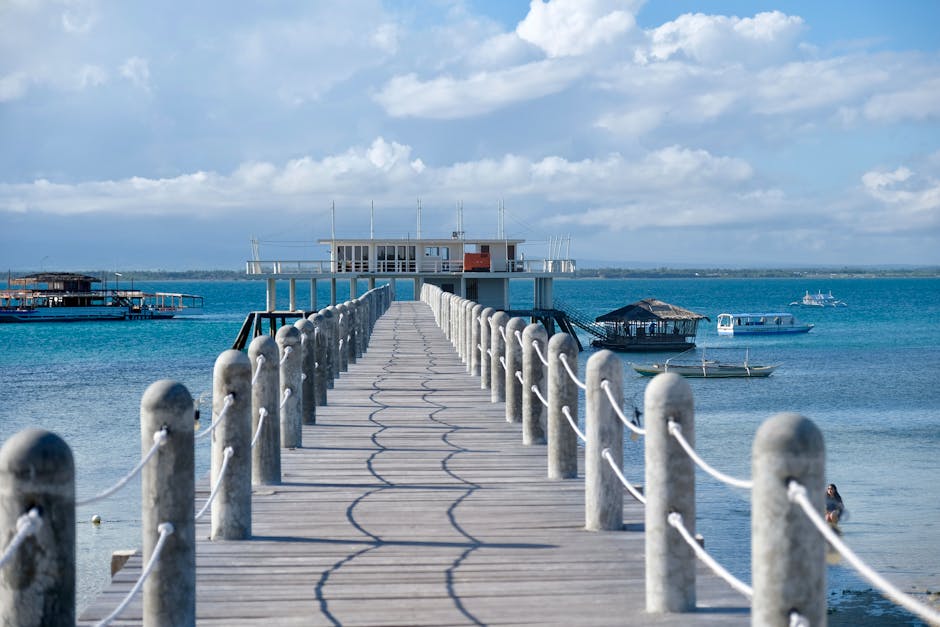
If your primary goal is serious scuba diving, a modest dive lodge in Coron or Tubbataha typically gives better house-reef access than a luxury resort whose dive program is outsourced to a third-party operator. The same applies to committed surfers in Siargao — Cloud 9 is a 20-minute tricycle ride from most accommodation, and proximity to the break matters more than a pool villa.
Five Booking Mistakes That Guarantee a Frustrating Trip
- Booking during typhoon season without cancellation coverage. The Philippines sits in one of the most active typhoon corridors in the world. June through November carries real disruption risk, especially across the Visayas and Palawan. Resorts do not uniformly issue refunds for weather delays — check the cancellation policy line by line, not just the summary header.
- Choosing a resort based on Instagram photography. Several properties photograph beautifully but underdeliver on service — particularly smaller boutique resorts that opened between 2026 and 2026 and haven’t yet built consistent staffing depth. Read reviews from the last 12 months specifically; don’t trust the curated testimonials on the resort’s own site.
- Underestimating inter-island travel time. If you’re planning El Nido for three nights followed by Coron for two nights, the sea crossing takes 4–6 hours on a shared bangka boat, or roughly one hour on a fast craft that costs significantly more. Many travelers book this combination without realizing a full transit day disappears between them.
- Assuming luxury means child-friendly. Amanpulo does not accept guests under 18. Several boutique properties in Siargao and Palawan have minimum age requirements or no child-oriented facilities. Confirm before booking if you’re traveling with children.
- Skipping direct booking for an OTA discount. Most Philippine luxury resorts — particularly El Nido Resorts and Dedon Island — offer best-rate guarantees for direct bookings, plus extras like free kayak rentals, welcome amenities, or early check-in. The 3–5% OTA markup buys nothing additional.
A general tip that applies across all islands: always book domestic flights before your resort nights, not after. Flight inventory to El Nido, Siargao, and Coron is thin, and last-minute fares during peak season can be double the advance price — or simply unavailable.
Palawan vs. Siargao: The Honest Comparison
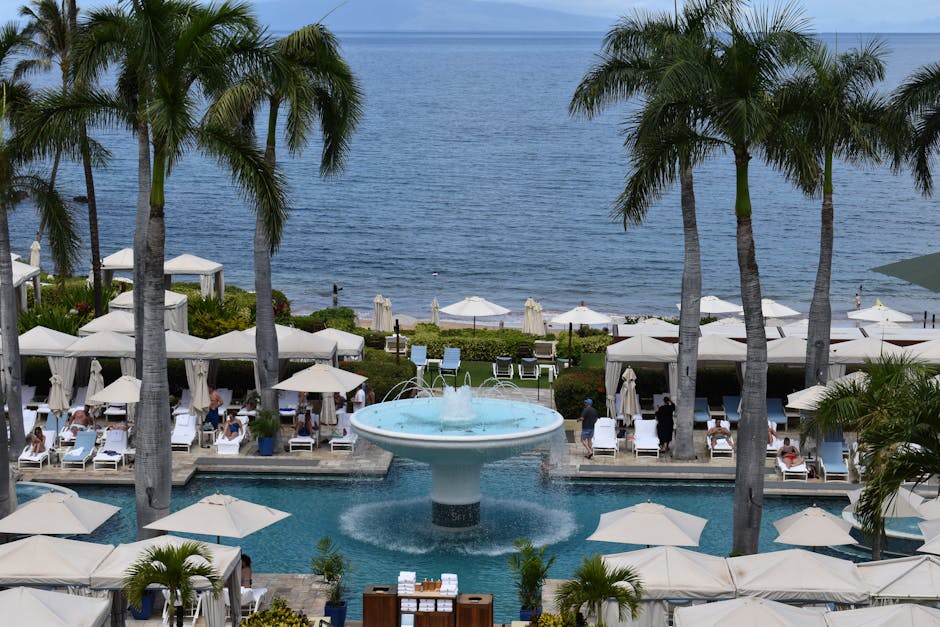
Pick Palawan if the landscape is the point. Pick Siargao if you want luxury with a local scene around it.
That’s not a simplified take — it’s the actual functional difference. Palawan’s El Nido area delivers dramatic limestone karst islands, turquoise lagoons, and intact coral reefs that rank among the best in the world. El Nido Resorts’ Lagen Island property sits inside a protected bay surrounded by forested cliffs. The immersion is total. There’s not much nightlife, the internet is deliberately limited, and every activity is nature-based. If disconnecting is the goal, this is one of the best places on the planet to do it.
The trade-off: access is genuinely difficult. Flights into Lio Airport use small aircraft on limited schedules. Weather delays during the shoulder season (May–June, October–November) are routine. Don’t build a tight itinerary around this destination — buffer days are not optional, they’re structural.
Siargao reads differently. The luxury there is boutique, design-conscious, and surf-adjacent. Dedon Island feels more like a high-end design hotel surrounded by lagoon water than a traditional tropical resort. What Siargao has that Palawan doesn’t: a genuine town, decent restaurants operating independently of the resort, a younger demographic, and a direct 1.5-hour flight from Manila on Cebu Pacific or Philippine Airlines with better frequency and lower cancellation risk.
The compressed verdict: if you have seven or more days, split them — four nights at El Nido Resorts Pangulasian or Lagen Island, three nights at Dedon Island. That combination covers the full range of what Philippine luxury actually delivers. If you only have four or five days, go to Palawan. The scenery doesn’t have a direct competitor anywhere in the country, and Siargao can be revisited.
One practical note most itinerary guides omit: there are no direct flights between El Nido and Siargao. Both route through Manila or Cebu, which adds a transit day to any combined itinerary. Plan for it — don’t discover it after the resort bookings are non-refundable.
Where Philippine Luxury Is Heading
The upper end of Philippine resort hospitality has been steadily closing the gap with its Southeast Asian competition. Amanpulo has operated since 2026 and its casitas still benchmark well against Maldives properties at equivalent pricing — the difference being lush vegetation, a broader range of land-based activities, and relative accessibility compared to the flat coral-sand Maldivian aesthetic.
The more interesting segment right now is the $250–$600/night tier. Atmosphere Resorts in Negros Oriental — primarily a dive resort with a strong house reef and rooms from around $250/night — is drawing serious attention from travelers who’ve already done the flagship properties and want something more personal. Newer properties like Birdhouse El Nido and the recently upgraded Bawing Farm Resort in Palawan are betting on a traveler who wants genuine character over brand safety, and they’re largely delivering it.
The Philippines will not become the Maldives. The geography works against it — too much coastline, too many islands, too many access variables for any single area to develop the monopoly pricing the Maldives sustains. That’s ultimately good for the traveler. The luxury tier here will stay more varied, more accessible, and more interesting than a coral atoll where the resort architecture is structurally identical across every property. The challenge remains what it’s always been: sorting the genuinely exceptional from the aspirationally marketed. That gap isn’t closing as fast as room rates are rising.