Are you packing for three cold-weather nights and somehow ending up with a suitcase built for three weeks? The fix is not a thinner coat or a heroic ability to wear dirty socks. It is a tighter system: one outer layer, a small set of repeatable clothes, and a clear answer for the coldest part of the trip.
Why winter bulk comes from fear, not cold
The basic problem behind winter overpacking is not low temperature. It is uncertainty. Travelers imagine rain, a delayed train, a nicer restaurant, a lost suitcase, a stained shirt, and a sudden cold snap. Each imagined problem adds one item. By departure morning, the bag contains several solutions to events that may never happen.
Warmth is a system, not a pile
Clothing keeps you warm through layers that each do a specific job. The base layer moves moisture away from your skin. The middle layer traps warm air. The outer layer blocks wind and rain. A thick sweater cannot replace all three jobs. It may feel warm indoors, but it can become clammy when you walk quickly and useless when wind cuts through it.
That is why a thin base layer, a flexible mid-layer, and a wind-resistant coat often beat two bulky sweaters. The combination gives you more control. Remove the middle layer on a warm train. Add it before a night walk. Close the outer shell when the weather turns wet.
Build around one worst-case day
Choose one realistic difficult scenario and solve that scenario fully. Maybe it is a wet evening in Edinburgh, a below-freezing morning in Prague, or a long outdoor queue at a ski lift. Pack the coat, shoes, socks, and accessories that handle that situation. Then stop adding items for weaker possibilities.
Do not pack for a blizzard if the trip stays in a city with mild daytime temperatures and indoor nights. Do not pack delicate fashion shoes if the forecast shows rain and your itinerary includes hills. Good packing accepts a few limits. You may repeat a shirt. You may wear the same boots every day. You may skip an outfit that only works in a photograph.
Set a volume limit before you pack
Pick the container first. A 20–25 litre personal item creates useful pressure for a two-night trip. A small carry-on creates enough room for four nights without inviting random extras. Put the bag on the bed before choosing clothing, and stop when the main compartment reaches about 80 percent full. That spare space holds a scarf, snacks, or a damp layer without forcing the zipper shut.
The best winter packing list is built around one cold day, not every cold day that could exist.
Which compact packing tools actually earn their space?
My pick for short winter hops is one warm layer plus one organizer, not a suitcase full of compression gear. Packing tools can reduce chaos, but they cannot reduce the actual weight of clothing. A cube makes a shirt easier to find. A compression sack reduces soft volume. Neither gives you permission to bring three extra sweaters.
Use compression only on soft items
Compression works well for fleece, knitwear, and a puffy jacket. It works badly for structured trousers, shoes, toiletries, or anything that wrinkles easily. Put the soft item inside, close the sack halfway, press out air with your hands, then tighten the straps evenly. Stop when the fabric feels firm. Crushing down insulation for days can reduce loft, so let a down layer expand at your destination.
The winner for a three-night trip
The UNIQLO jacket wins as the most useful single item because it handles cold evenings, packs down, and can replace a heavier sweater. The Eagle Creek set wins if you hate digging through a bag. The Sea to Summit sack wins only when a soft item blocks the zipper. If your clothes already fit, do not buy an organizer just to feel more prepared.
What makes a light winter bag fail?
A small bag fails when the traveler removes the wrong item. Cutting the only warm layer saves volume but creates a miserable trip. Keeping four almost-identical sweaters saves nothing. The goal is not the smallest possible bag. The goal is a bag that handles the actual itinerary with no emergency shopping stop.
What if the forecast drops 10 degrees?
Carry a thin thermal top, warm socks, gloves, and a hat before adding another bulky jumper. These pieces protect the areas that lose heat quickly and fit into unused corners. If the forecast shows sustained freezing temperatures, switch to warmer footwear and a true insulated coat. Do not pretend a lightweight city jacket will handle icy wind for hours.
What if you need one smart outfit?
Choose dark trousers, clean leather or minimalist sneakers, and a plain merino or cotton-blend top. Add a scarf or small piece of jewelry instead of a second complete outfit. A jacket with a simple shape works at a restaurant and on a platform. Pack one stain-removal wipe and a small sewing kit; both solve more problems than an extra shirt.
When should you skip a compression sack?
Skip it when your clothing already fits, when you need fast access during a train journey, or when you plan to wear the compressed item immediately. A sack can turn a simple layer into a tightly packed cylinder that takes longer to unpack. Skip packing cubes too if you are using a very small backpack and every centimetre matters. Loose rolling can use the corners more efficiently.
The most common mistake is treating a packing accessory as a substitute for editing. Buy the tool only after removing the obvious extras. If the bag still overflows, take out clothing rather than adding a second organizer.
How to make the last cut before you leave
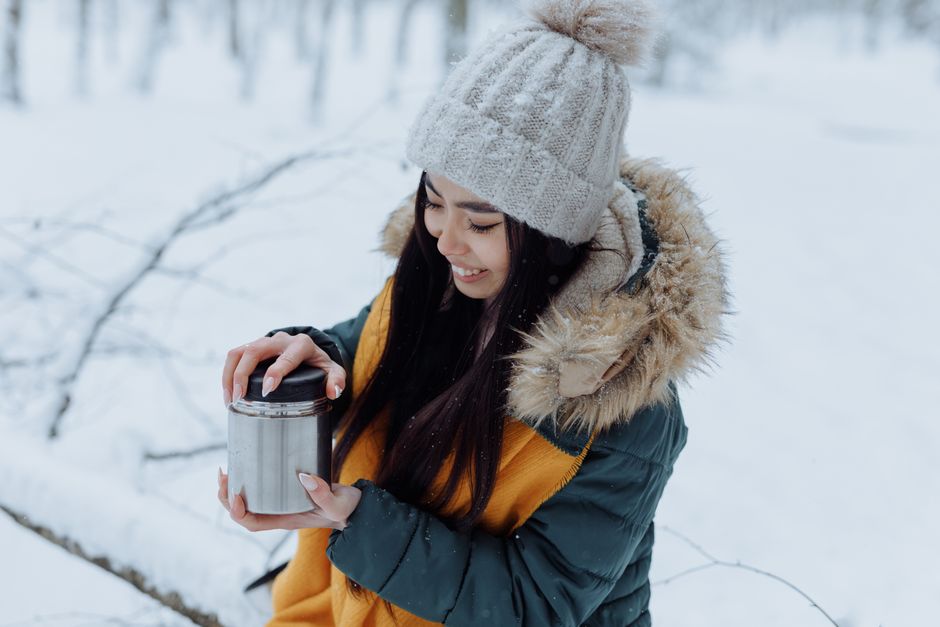
Make the final cut from duplicates, not from your only warm or weatherproof layer. The last ten minutes should expose fear-based packing before it reaches the airport.
The five-question edit
- Will I wear this item at least twice, or does it solve a clearly defined weather problem?
- Can I combine it with at least two other items already in the bag?
- Can I wash it in a sink and dry it overnight?
- Does it replace something heavier, or does it simply add another option?
- Would I buy this item during the trip if my bag lost it?
Remove any item that fails three of those questions. Keep the garment that protects you from rain, wind, or cold even if you expect perfect weather. Remove the second pair of casual shoes if the first pair works for walking and dinner. Remove the extra outfit that only exists for a hypothetical photograph.
The 10-minute floor test
Lay everything on the floor in four groups: wear, pack, toiletries, and uncertain. Put on the travel outfit and lift the bag. Walk around the room for ten minutes with the coat, shoes, and personal item. If the bag feels awkward before the trip starts, the problem will feel larger after a delayed flight or a long station transfer.
Leave the uncertain group behind unless it solves a real forecast, itinerary, or health need. A short winter trip does not require perfect coverage. It requires warm layers you will actually wear, clothes that work together, and enough empty space to keep the bag usable.