You do not need $3,000 in gear to start the Pacific Crest Trail. You need about $1,200 to $1,800 if you buy smart and resist the ultralight hype machine. Most first-time thru-hikers overspend on the wrong items — a $600 tent they hate, a $400 pack that hurts their hips, a stove system they never use. The real cost of a PCT attempt sits between $6,000 and $10,000 total, including food, permits, town stops, and gear replacements. This guide breaks down the gear portion honestly, with real product names and real prices for 2026.
The Permit System Is the First Real Cost — and the First Real Barrier
The Pacific Crest Trail Association (PCTA) runs a lottery system for long-distance permits. You apply in November for the following year. The permit itself is free, but you pay a $45 application fee and a $25 annual PCTA membership (not required, but smart). Here is the part nobody tells you: getting a permit is harder than finishing the first 100 miles. In 2026, over 8,000 people applied for roughly 3,500 available start dates from Campo.
How the 2026 Permit Lottery Works
Round 1 opens in early November 2026. You pick a start date between March 1 and May 31, 2026. The system assigns you a random time slot. If you get a late slot, most good dates are gone. You can also apply for Round 2 in January 2026, which releases leftover permits. A third option: skip the long-distance permit entirely and string together local wilderness permits. This takes more planning but works for section hikers.
What Happens If You Don’t Get a Permit
Do not panic. You can still hike most of the PCT using a combination of free, self-issued permits at trailheads and specific wilderness permits for places like the Sierra Nevada. The PCTA website has a detailed map of which sections require what. The key: start planning your permit strategy before you buy any gear. A permit determines your start date, which determines your weather window, which determines your gear choices.
Your Big Three: Pack, Shelter, Sleep System
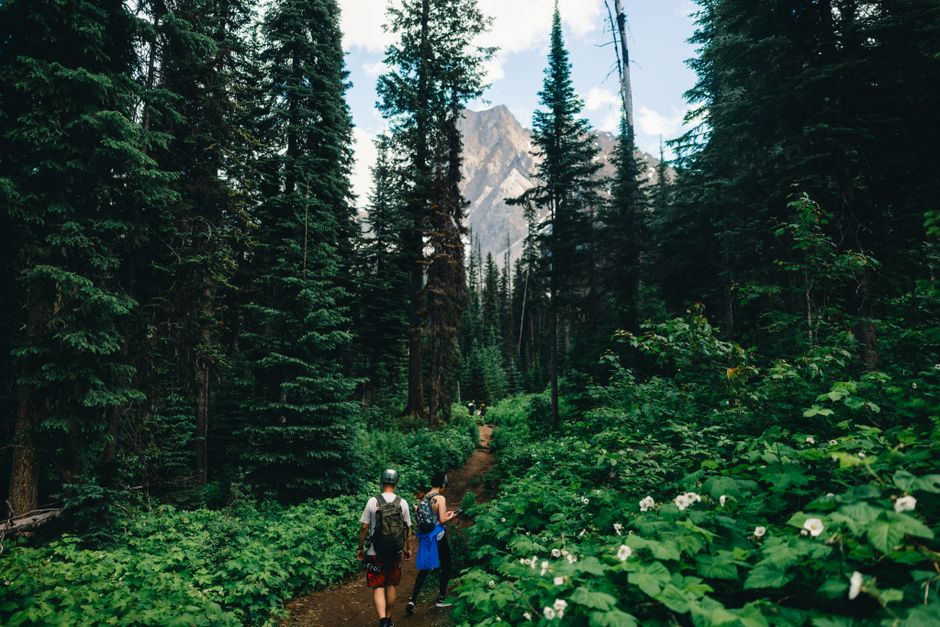
These three items eat 60% of your gear budget. They also cause 80% of beginner regret. Buy them last, not first. Test them on a shakedown hike before the PCT. Here are the specific items that actually work for 2026, based on current prices and trail reports.
The Pack: ULA Circuit vs. Osprey Exos 58
The ULA Circuit ($289) carries 35-40 lbs comfortably, weighs 36 oz, and has a massive following among PCT hikers. The Osprey Exos 58 ($260) weighs 32 oz, carries up to 35 lbs, and has better ventilation. For most beginners, the ULA Circuit wins because it handles the water carries in the desert section better. Water weighs 2.2 lbs per liter. In Southern California, you might carry 6 liters. That is 13 lbs of water alone. A pack that gets uncomfortable at 30 lbs will ruin your first two weeks.
The Shelter: Durston X-Mid Pro 2 vs. Big Agnes Copper Spur HV UL2
The Durston X-Mid Pro 2 ($659) is a trekking-pole tent weighing 20 oz. It requires two trekking poles, which you should carry anyway. The Big Agnes Copper Spur HV UL2 ($550) is a freestanding tent weighing 42 oz. It sets up on rock, sand, or snow without needing stakes. For a beginner, the Copper Spur is more forgiving. For a weight-obsessed hiker, the X-Mid Pro 2 saves 22 oz — over a pound — for $109 more. My pick: buy the X-Mid Pro 2 only if you already use trekking poles and have practiced pitching it in wind. Otherwise, the Copper Spur is the safer choice.
The Sleep System: Enlightened Equipment Revelation vs. Western Mountaineering UltraLite
The Enlightened Equipment Revelation 20°F ($385) is a quilt, not a sleeping bag. It weighs 22 oz and works best with an insulated sleeping pad. The Western Mountaineering UltraLite 20°F ($570) is a traditional mummy bag weighing 29 oz. It is warmer for the same rating, but heavier and more expensive. Beginners sleep warmer and more comfortably in a mummy bag. The Revelation saves weight but requires a good pad system to work. Pair either with the Therm-a-Rest NeoAir XLite NXT ($230, 13 oz, R-value 4.5). This pad is the single most popular sleeping pad on the PCT for a reason.
A Realistic Gear List With Prices
You do not need 50 items. You need about 30. Here is a complete list that works for a 2026 PCT thru-hike, with current prices. Total weight: about 15-18 lbs base weight. Total cost: about $1,500-$1,900 depending on choices.
| Item | Specific Product | Price | Weight |
|---|---|---|---|
| Backpack | ULA Circuit | $289 | 36 oz |
| Shelter | Durston X-Mid Pro 2 | $659 | 20 oz |
| Sleeping quilt | Enlightened Equipment Revelation 20°F | $385 | 22 oz |
| Sleeping pad | Therm-a-Rest NeoAir XLite NXT | $230 | 13 oz |
| Trekking poles | Black Diamond Distance Carbon Z | $190 | 10 oz/pair |
| Water filter | Sawyer Squeeze | $39 | 3 oz |
| Stove | MSR PocketRocket 2 | $50 | 2.6 oz |
| Pot | TOAKS Titanium 750ml | $35 | 3.9 oz |
| Puffy jacket | Enlightened Equipment Torrid Apex | $200 | 8 oz |
| Rain jacket | Outdoor Research Helium II | $159 | 6.4 oz |
| Headlamp | Nitecore NU25 UL | $40 | 1.6 oz |
| Power bank | Nitecore NB10000 Gen 3 | $60 | 5.3 oz |
| Total | $2,336 | ~132 oz (8.25 lbs) |
That table covers the core gear. You still need clothing (shorts, shirts, socks, base layers), a food bag, a bear canister for the Sierra (rent or buy the BearVault BV500 at $95), and small items like a knife, lighter, and first aid kit. Add another $300-$500 for those. The total lands around $2,600-$2,900 if you buy everything new. But you should not buy everything new.
Where to Cut Costs Without Cutting Safety
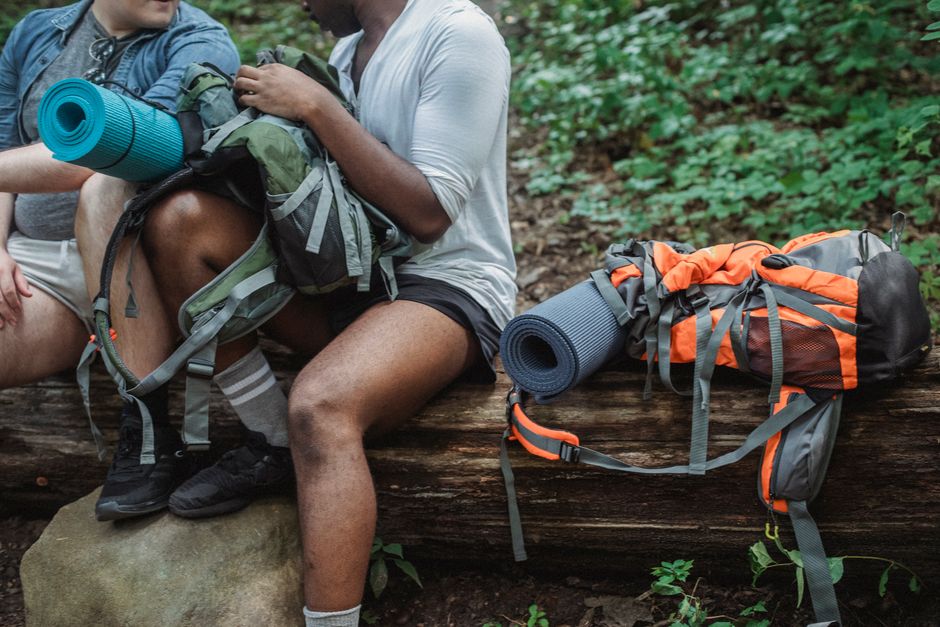
Buy used. The PCT community sells gear constantly. People quit at mile 200 and sell their entire kit for 50% off. Check r/ULgeartrade, Facebook PCT groups, and local REI garage sales. You can find a used ULA Circuit for $180, a used Copper Spur for $350, and a used NeoAir for $150. That alone saves $500.
Skip the stove entirely. Many 2026 hikers go stoveless, especially in the desert and Oregon. Cold-soaked couscous, tortillas with peanut butter, and protein bars work fine. You save $85 and 6.5 oz. You can add a stove later in Washington if you want hot food.
Do not buy a dedicated GPS device. Your phone with the FarOut PCT app ($80 for the full trail map set) works better than any Garmin for navigation. A Garmin inReach Mini 2 ($400) is worth it for safety if you hike alone, but it is not required. Most hikers carry one, but most hikers also carry too much.
The Failure Mode: Buying Ultralight Gear Before You Know How to Use It
This is the most expensive mistake on the PCT. You read a blog about ultralight hiking. You buy a DCF tent, a frameless pack, and a quilt. You show up at Campo with a 9 lb base weight and zero experience. Then the wind shreds your tent because you never practiced pitching it. Your frameless pack bruises your shoulders because you have 6 liters of water. Your quilt drafts cold air because you do not know how to attach it to your pad.
Ultralight gear is not better gear. It is specialized gear. It requires skill to use correctly. A 42 oz freestanding tent that survives a windstorm is better than a 20 oz DCF tent that collapses. A 36 oz framed pack that carries 40 lbs comfortably is better than a 22 oz frameless pack that hurts at 25 lbs. Start with conventional gear. Go lighter on your second thru-hike.
Another failure mode: buying all your gear two weeks before your start date. You need at least one shakedown hike — a 3-5 day trip with your full pack — before you commit to the PCT. Test your shoes, your pack fit, your sleep system, your stove. Replace what fails. This costs time and maybe $100 in replacement items, but it saves you from quitting at mile 100 because your feet are destroyed or your back hurts.
Section Hiking Is a Smarter First Step
A full PCT thru-hike takes 4-6 months. It costs $6,000-$10,000 total. It ends your lease, your job, your routine. Most people who start do not finish. The completion rate hovers around 20-30% depending on the year.
A section hike takes 2-4 weeks. It costs $1,500-$3,000 total. You keep your job, your apartment, your life. You still get the PCT experience — the desert sunrises, the Sierra passes, the trail community — without the full commitment. For a beginner in 2026, I recommend a section hike. Pick Oregon in August. The weather is mild, the water is plentiful, the terrain is easier than California or Washington. You need the same gear, but you can buy less of it and test whether you actually like thru-hiking before quitting your job.
When NOT to attempt a thru-hike: if you have never backpacked overnight, if you have a knee or foot injury, if you cannot afford to be unemployed for 5 months, or if you hate being dirty, cold, and hungry. A thru-hike is not a vacation. It is a job that costs money instead of paying you.
The Verdict: What I Would Buy in 2026
If I were starting from zero today, here is exactly what I would buy. This assumes a 2026 section hike in Oregon, with the option to extend to a full thru-hike later.
- Pack: ULA Circuit ($289) — comfortable, durable, carries water weight well
- Shelter: Big Agnes Copper Spur HV UL2 ($550) — freestanding, beginner-friendly, survives wind
- Sleep: Enlightened Equipment Revelation 20°F ($385) + Therm-a-Rest NeoAir XLite NXT ($230)
- Water: Sawyer Squeeze ($39) + two 1L Smartwater bottles ($4)
- Navigation: FarOut PCT app ($80) + paper maps for your section ($20)
- Total core gear cost: about $1,600
That setup weighs about 14 lbs base weight. It is not the lightest. It is not the cheapest. It is the most forgiving. And for a beginner, forgiveness is worth more than ounces.
Skip the Garmin inReach on a section hike. Skip the stove if you want. Skip the camp shoes, the chair, the extra clothes. Every ounce you do not carry is free. Every dollar you do not spend is money for food and town stops — the real budget killers on any long trail.