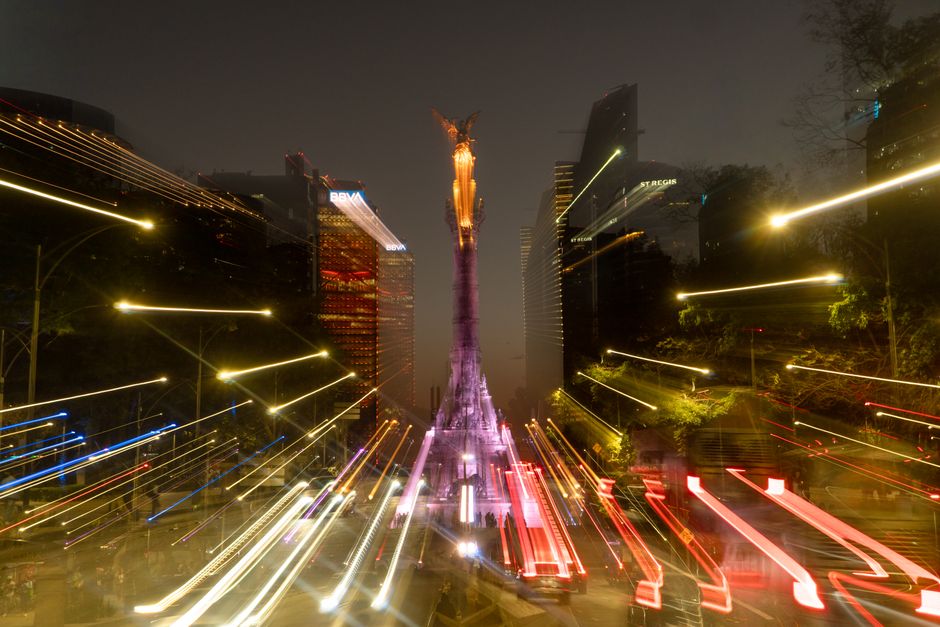
The question of safety in Mexico City is not a simple yes or no. It is a question of geography, time of day, and behavior. The city is a sprawling metropolis of nearly 22 million people, and the experience of a tourist in Polanco is vastly different from that of a commuter in Ecatepec. Most official travel advisories from the U.S. State Department place Mexico City under a “Level 2: Exercise Increased Caution” advisory, which is the same level given to France, Germany, and the United Kingdom.
This is not legal advice, and I am not a security consultant. I am a traveler who has spent months in the city. The reality for solo travelers in 2026 is that the neighborhoods you are likely to visit are heavily policed, densely populated, and generally safe if you follow specific rules. The danger is real, but it is usually avoidable.
The Geography of Risk: Where You Actually Are Matters More Than the Country
When people ask “Is Mexico City safe?” they are asking the wrong question. The right question is “Which parts of Mexico City are safe, and at what time?” The city is a patchwork of distinct colonias (neighborhoods), and the safety profile changes block by block.
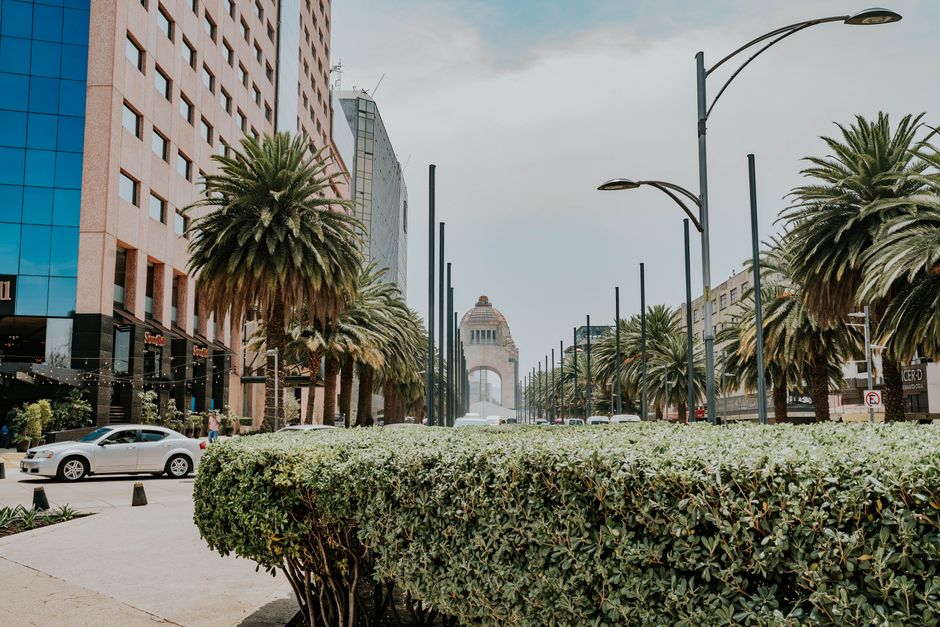
For a solo traveler in 2026, the core tourist zones remain the safest bet. Roma Norte, Condesa, and Polanco are the primary hubs for digital nomads and tourists. These areas have a high density of foot traffic, private security, and open businesses late into the night. Walking alone at 10 PM in Condesa is generally a non-event. You will see families, dog walkers, and couples. The sidewalks are wide, and the lighting is functional.
However, the situation changes rapidly. Centro Histórico is fantastic during the day but becomes desolate and sketchy after dark, particularly on the eastern edges near La Merced or Tepito. Doctores, directly south of Roma, is significantly cheaper for accommodation but has a higher rate of street crime. If you are booking an Airbnb, looking at a map is not enough. You need to understand the specific block. A street two blocks north of Avenida Chapultepec is different from a street two blocks south.
The most common mistake solo travelers make is assuming that because a neighborhood is close to a safe area, it is also safe. This is false. The boundaries are sharp. Staying in Roma Norte is safe. Staying in Doctores to save $15 a night is not a good trade-off for a first-time visitor.
Transportation: The Real Danger Zone
You are more likely to run into trouble getting from point A to point B than you are sitting in a cafe. The transportation network in Mexico City is excellent but requires specific knowledge.
The Subway (Metro) and Metrobus
The Metro is cheap (5 pesos, roughly $0.25 USD) and efficient. It is also crowded. Very crowded. For a solo traveler, the primary risk on the Metro is petty theft, specifically pickpocketing. In 2026, the city has increased police presence on the Metro, but the crush of bodies during rush hour (7-9 AM, 6-8 PM) creates opportunities for thieves. Keep your phone in your front pocket or a zipped bag. Do not wear a backpack on your back. Wear it on your chest. This is standard practice for locals.
There is also a specific issue with the Metro: women-only cars. If you are a woman traveling solo, use them. They are located at the front of the train and are significantly safer and less crowded.
Ride-Sharing (Uber and Didi)
This is the safest way to move around the city at night. Uber is widely available and inexpensive. A 20-minute ride across Roma costs about $3-5 USD. The advantage of Uber over street taxis is the tracking. The route is logged, the driver is identified, and you can share your trip with a friend. Street taxis in Mexico City have a history of issues, including express kidnappings (where the driver takes you to an ATM to withdraw cash). Do not hail taxis on the street. Use the app.
When you get in an Uber, verify the license plate matches the app before you close the door. This is a simple step that takes two seconds and prevents a known scam where unregistered cars pose as ride-shares.
Common Scams and How to Avoid Them
Scams in Mexico City are rarely violent. They are usually designed to distract you while someone else takes your wallet or phone. Knowing the playbook removes 90% of the risk.
- The Spill Scam: Someone spills a drink or food on you, then offers to help clean it up. While they are wiping your jacket, their partner is opening your bag. If someone spills something on you, keep walking. Do not stop. Do not let them touch you.
- The ATM Helper: A “friendly” local offers to help you use the ATM because the machine is “broken” or “confusing.” They are trying to see your PIN or grab your cash. Use ATMs inside bank lobbies during business hours. Do not use ATMs on the street at night.
- The Fake Police: Someone in plain clothes flashes a badge and asks to see your passport or wallet to “check for counterfeit money.” Real police in Mexico City do not ask tourists for their wallets. Ask them to call a uniformed officer. Do not hand over your documents.
- The Bar Tab Scam: You meet a friendly local who invites you to a bar. You have one drink. The bill is $200. This is a classic setup. Choose the bar yourself. Do not follow strangers to a “great place they know.”
These scams are common in every major city in the world. They are not unique to Mexico City. The difference is that in a foreign city, you are more likely to be confused or polite. Be impolite. Walk away.
A Quick Comparison of Neighborhood Safety for Solo Travelers
This is a general guide for 2026, not a guarantee. Crime can happen anywhere, but the probability shifts dramatically by location.
| Neighborhood | Day Safety | Night Safety | Best For | Solo Traveler Verdict |
|---|---|---|---|---|
| Polanco | Very High | High | Luxury hotels, fine dining, museums | Excellent choice, but sterile and expensive |
| Roma Norte | Very High | High (stay on main streets) | Cafes, bars, co-working spaces | The best balance of safety and atmosphere |
| Condesa | Very High | High | Parks, brunch, tree-lined streets | Excellent, slightly quieter than Roma |
| Centro Histórico | High | Low to Moderate | Architecture, museums, street food | Go during the day, leave by 8 PM |
| Coyoacán | High | Moderate | Frida Kahlo Museum, plazas, markets | Safe for a day trip, less nightlife |
| Doctores | Moderate | Low | Cheap accommodation | Avoid for a first trip. Not worth the savings. |
The table is a simplification. A specific street in Doctores can be fine, and a specific corner in Roma Norte can be problematic. But as a planning tool, it reflects the consensus of locals and long-term expats.
What the Data Says (And What It Doesn’t)
Crime statistics in Mexico are notoriously difficult to parse. Reporting rates are low, and the methodology varies by source. However, the general trend for 2026 is stable. The homicide rate in Mexico City is lower than in several major U.S. cities, including Philadelphia and Chicago. The homicide rate for tourists is extremely low.
The crime that affects tourists is almost entirely non-violent: pickpocketing, bag snatching, and scams. Violent crime is heavily concentrated in specific peripheral areas of the city that are not on any tourist map. You will not accidentally wander into Tepito. It is not on the way to anything you want to see.
This is the key insight that most fear-mongering articles miss. The risk is not random. It is clustered. If you stay in the right areas and follow the rules, your risk profile is similar to visiting any large European city.
Practical Rules for Solo Travelers in 2026
Here is the list I give to friends who visit. It is not exhaustive, but it covers the mistakes that actually cause problems.
- Do not walk home alone after midnight. Take an Uber. It costs $4. This is the single highest-impact rule.
- Carry a decoy wallet. Keep a small amount of cash and an expired card in a cheap wallet. If you are ever mugged (unlikely but possible), hand it over. Keep your real cards and phone hidden.
- Learn basic Spanish phrases. “No, gracias” and “Déjame en paz” (leave me alone) are enough. Confidence in the local language signals that you are not an easy target.
- Do not buy drugs. This should be obvious, but it is the number one way tourists end up in serious trouble. Cartel activity exists. Do not engage with it.
- Drink less than you would at home. The biggest danger to a solo traveler is not a criminal. It is their own impaired judgment at 2 AM in an unfamiliar city.
These rules are not about being paranoid. They are about being deliberate. The city rewards travelers who move with purpose and punishes those who wander aimlessly with their phone out.
The Verdict: Should You Go Solo?
Yes. Mexico City is one of the best solo travel destinations in the world. The food is world-class, the art scene is unmatched, and the cost of living is a fraction of what you would pay in the U.S. or Europe. The safety concerns are real, but they are manageable.
The city is not dangerous in the way that a war zone is dangerous. It is dangerous in the way that a big city is dangerous. You need to know where you are going, how you are getting there, and what time it is. If you can do those three things, you will have a safe and extraordinary trip.
For the solo traveler in 2026, the future of travel is not about avoiding cities like Mexico City. It is about learning to navigate them with intelligence. The travelers who master that skill will have access to experiences that the package-tour crowd never sees.