You have read the forums. You have watched the YouTube videos. But the moment you hit ‘book’ on that single ticket, your stomach drops. Solo travel anxiety isn’t just about being alone. It’s the fear of being lost, sick, or overwhelmed in a place where you can’t read the signs.
Here is the truth: most of that anxiety comes from friction. Noise. Chaos. Unpredictability.
Japan removes the friction. That is why it works.
Stop Romanticizing the Chaos: Pick the Right City First
If you are scared of solo travel, do not start in Bangkok or Marrakech. Start where the systems are logical. Tokyo is not just a city; it is a machine built for individual movement.
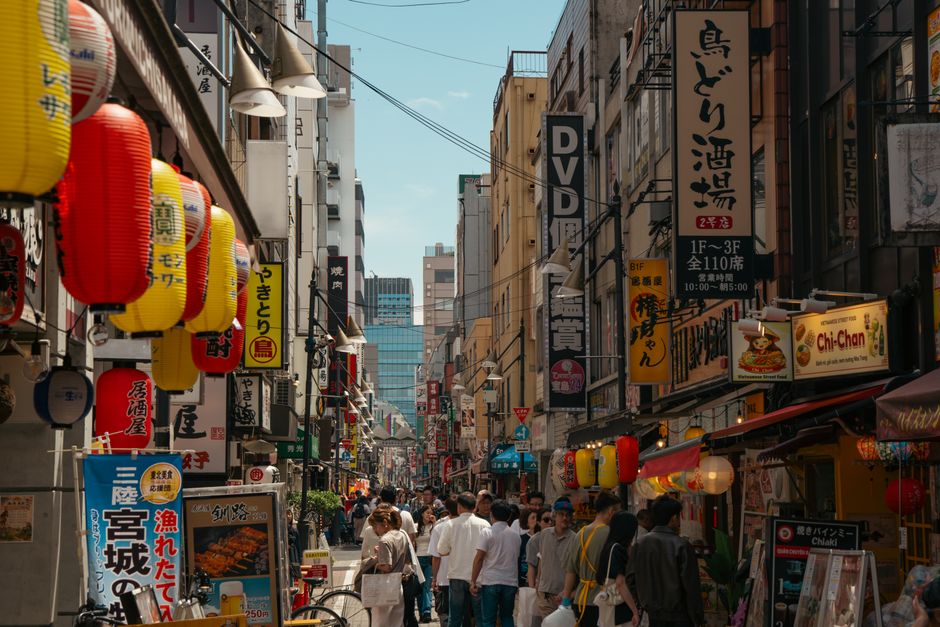
The infrastructure is the anti-anxiety medication you actually need. Trains run to the second. Convenience stores are on every corner. You can eat a full meal at a ticket machine without speaking a word to a human.
But here is the mistake most first-timers make: they try to see too much. They book a hotel in Shinjuku because it is ‘central,’ then spend 30 minutes just trying to find the right exit at the station.
Choose Ueno or Asakusa instead. They are flat, walkable, and quieter at night. You want a home base that doesn’t spike your cortisol the second you step outside.
The “One Station” Rule
For the first 48 hours, do not leave a one-station radius of your hotel. I don’t care if you want to see the Gundam statue in Odaiba. The goal is to prove to your brain that you are safe. Walk the block. Find the 7-Eleven. Buy a bottle of green tea. That is a win.
What to Book
Skip the social hostels if you are introverted. You don’t need forced socializing when you are already overstimulated. Book a business hotel chain like APA Hotel or Tokyu Stay. They are small, but they are private. You need a door that locks and a bed that is yours. A room at the Tokyu Stay Asakusa is usually around $60-80 a night depending on the season.
The Toolkit: What Actually Reduces Panic
Solo travel anxiety is a logistics problem as much as an emotional one. You need tools that work offline and without a local phone number.
Here is the gear that saves you when the brain fog hits.
- Suica Card (Digital or Physical): Add it to your Apple Wallet before you land. You can top it up with a Mastercard or Amex now. If you have a Visa, it can be finicky, so bring a backup card. This card gets you through gates without fumbling for change.
- Google Translate (Offline Pack): Download the Japanese language pack. The camera feature is the killer app. Point it at a menu or a washing machine and it decodes the kanji instantly. It is not perfect, but it is enough.
- Japan Official Travel App: This is the government app. It gives you route guidance that factors in delays. It is less cluttered than Google Maps for the Tokyo subway spaghetti.
- Pocket WiFi vs eSIM: Do not rely on free WiFi. It is spotty. For a two-week trip, an eSIM from Airalo or Ubigi is the easiest. You land, you have data. No returning a device at the airport.
You don’t need a JR Pass unless you are going to Kyoto and back. If you are staying in Tokyo, the Suica is enough. Don’t over-plan the tech. The point is to reduce friction, not manage a bunch of gadgets.
Eating Alone Is the Hardest Part (Until You Do It)
This is the wall most people hit. The fear of judgment. The thought: “Everyone is looking at me eating alone.”
They aren’t.
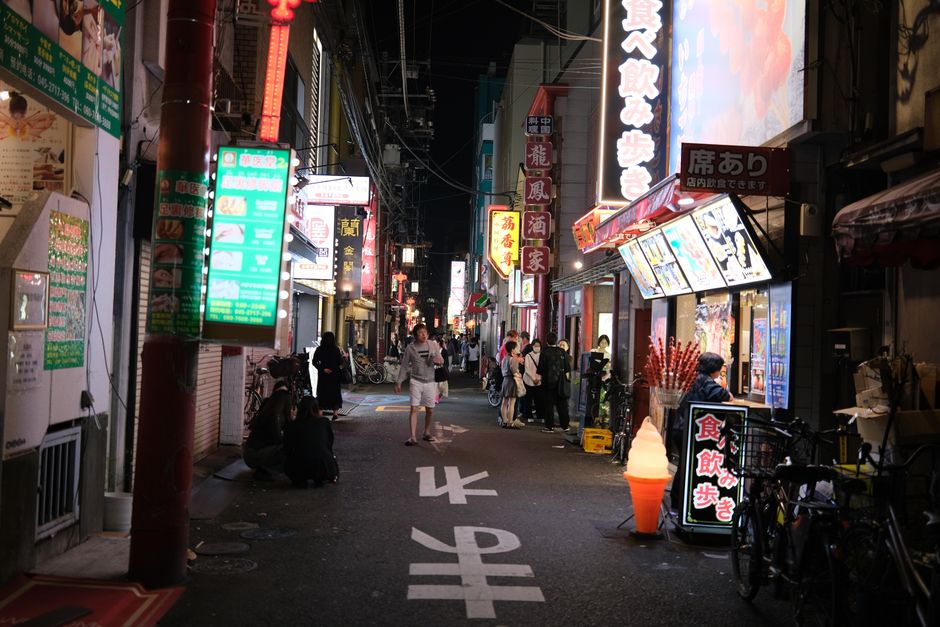
Japan is arguably the best country on earth for solo dining. The culture is built around the individual. The ramen shops have dividers. The sushi counters face the chef, not other diners. The gyudon bowls at Yoshinoya are served at a counter facing the wall.
Here is the move. Avoid the touristy spots in Shibuya at 7 PM. Go to the department store basements (depachika) or the train station food halls. You can buy a boxed meal that looks like art and take it back to your room if you are exhausted.
But if you want to try a restaurant, go at 5:30 PM or 9:00 PM. Avoid the rush. Walk in, say “Hitori desu” (one person), and they will seat you. You don’t need to be fluent. You just need to be polite.
The Comparison: Tokyo vs. The “Easy” West
People often ask, “Why not just go to London or Sydney for a first solo trip? They speak English.”
That is a valid point. But the language barrier in Japan is actually a feature, not a bug.
In London, you understand the snarky comments. You hear the arguments on the street. You understand the news. In Tokyo, the noise is filtered. You exist in a bubble of polite silence. It is incredibly peaceful for an anxious mind.
Here is the breakdown.
| Factor | Tokyo, Japan | London, UK |
|---|---|---|
| Safety (Solo Female/Male) | Extremely High. You can walk at 2 AM. | Moderate. Need to be aware of surroundings. |
| Navigation | Complex but logical. Signs in English. | Easy. English everywhere. |
| Dining Alone | Normalized. Counter seating standard. | Normalized, but more pub/table culture. |
| Cost (2026 est.) | Weak Yen makes it cheaper than pre-2026. | Expensive. Pound is strong. |
| Stimulation Level | High visual noise, low auditory noise. | High auditory noise, high visual clutter. |
The verdict? If your anxiety is triggered by feeling unsafe or unwanted, Tokyo wins. If your anxiety is triggered by not being able to read anything, London wins. But for that deep sense of “I am going to get pickpocketed,” Tokyo is the safer bet.
The 3-Day Anxiety Reset Plan
You don’t need a 14-day itinerary. You need a 3-day plan that resets your nervous system. Then you can add the fun stuff.
Day 1: Prove you can survive. Land at Narita or Haneda. Take the Keisei Skyliner or the monorail to your hotel area. Do not take a taxi; the train is easier and quieter. Check in. Walk to the nearest convenience store (Lawson or FamilyMart). Buy water and a snack. Go back to the hotel. Sleep.
Day 2: The Green Buffer. Do not go to Shibuya Crossing. Go to a garden. Rikugien or Koishikawa Korakuen are perfect. It is quiet. You can hear the birds. You are outside, but you are not being jostled. Eat lunch at a small soba shop near the garden.
Day 3: The Controlled Chaos. Now go to Shibuya or Shinjuku. But have a mission. “I am going to the Muji Flagship Store to buy socks.” That is it. A mission gives you a reason to be there. When you feel the crowd closing in, you go to the station and leave. You have succeeded.
This is not a “hidden gems” guide. It is a survival protocol. It works.
You don’t need to be fearless. You just need to book the flight.