Most Kyoto itineraries fail because they treat the city like a checklist. You rush from Kinkaku-ji to Fushimi Inari, stand in a crowd, take a photo, and leave feeling nothing. This plan does the opposite. It prioritizes the quiet moments, the small gardens, and the rituals that make Kyoto worth visiting.
This is a pure information guide. No affiliate links. No booking widgets. Just a practical framework for four days in Kyoto that respects the city’s culture and your time.
Day 1: East Kyoto and the Art of Walking Slowly
Start on the east side of the city. This area, Higashiyama, holds the highest density of significant temples. But the goal is not to see them all. The goal is to see two or three properly.
Begin at Kiyomizu-dera. The wooden stage juts out over the hillside, and the view of the city below is the reason people come. But the real value is the path leading up to it. The streets of Ninenzaka and Sannenzaka are lined with old wooden buildings. Go early, before 8:00 AM. The shops will be closed, but the light will be soft and the crowds thin. That is the Kyoto you came for.
After Kiyomizu-dera, walk north. You will pass through Maruyama Park and end at Yasaka Shrine. This is not a destination. It is a transition. Keep walking toward Chion-in. The massive Sanmon gate is one of the largest wooden structures in Japan. You can climb the stairs behind it for a view of the temple roofs.
For lunch, skip the tourist strips. Walk west toward the Kamo River and find a small soba shop. Look for a place with a handwritten menu and no English sign. Point at what you want. It is better than any guidebook recommendation.
Where to Actually Drink Tea
Do not book a formal tea ceremony on day one. You are tired. You are jet-lagged. Instead, find a casual tea house. Kagizen Yoshifusa in Gion serves matcha and wagashi in a quiet room. It is not cheap, but it is correct. A bowl of thick matcha and a sweet will cost around 1,500 yen. Sit by the window. Watch the garden. This is the introduction to Kyoto’s pace.
Day 2: The Northwest Temples and a Critical Mistake to Avoid
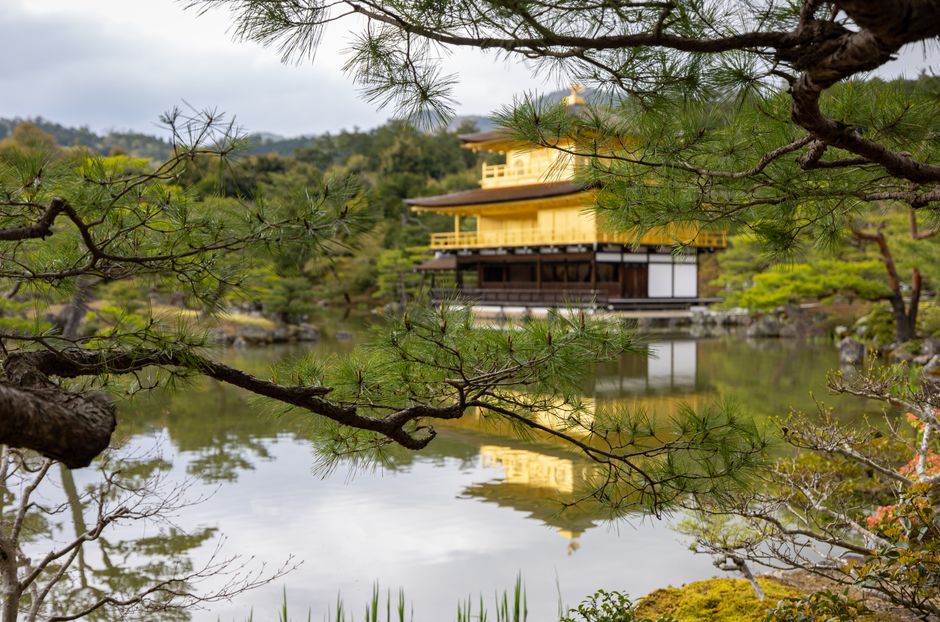
Most people go to Kinkaku-ji, the Golden Pavilion, because they have seen the photo. That is a mistake. The temple is beautiful, but it is crowded, and the visit is a short loop around a pond. You cannot go inside. You cannot sit down. You take a photo and leave.
If you must see it, go at 9:00 AM sharp. The entrance opens, and you can get ahead of the tour buses. But I would skip it entirely. Instead, go to Ryoan-ji. The rock garden is a rectangle of raked gravel with fifteen stones. You sit on the wooden veranda and look at it. That is the entire experience. And it is one of the most profound things in Kyoto. The point is not to understand the garden. The point is to sit with it.
Nearby is Ninna-ji. It has a five-story pagoda, a grove of old cherry trees, and far fewer visitors. The Goten building has sliding doors painted with gold leaf and pine trees. You can walk through the rooms in your socks. It feels like a private residence, not a museum.
Failure Mode: The Temple Fatigue Trap
By day two, you may feel the urge to see more temples. Do not. Temple fatigue is real. You stop seeing the details. Every garden looks the same. Every Buddha statue blurs into the last one. The fix is to limit yourself to two or three temples per day. Spend at least an hour at each one. Sit down. Drink water. Look at the roof tiles. That is the experience.
Day 3: Arashiyama Without the Bamboo Hype
The bamboo grove in Arashiyama is one of the most photographed spots in Japan. It is also a narrow path packed with people holding selfie sticks. Go early, before 7:00 AM, or do not go at all. If you arrive after 9:00 AM, you will be walking in a line.
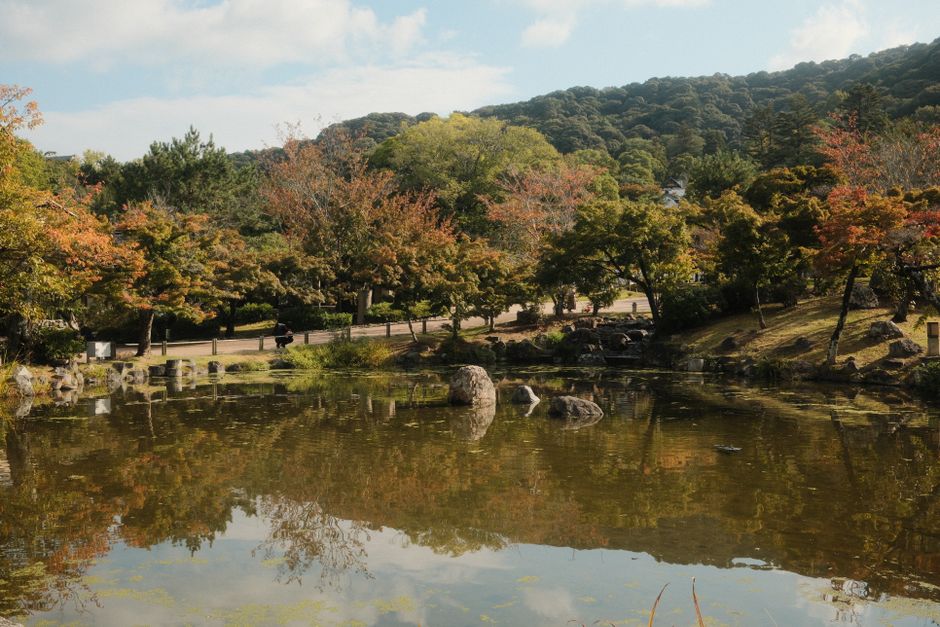
The better part of Arashiyama is the area around it. Tenryu-ji is a major Zen temple with a garden that dates back to the 14th century. The garden is designed as a borrowed landscape, meaning it uses the mountains behind it as part of the composition. Walk the path slowly. Then sit on the veranda of the main hall and look at the pond. It costs 500 yen to enter the garden and another 300 yen for the building. Worth it.
After Tenryu-ji, walk north along the river. The path leads to Otagi Nenbutsu-ji, a small temple with over a thousand stone statues of rakan, or disciples of Buddha. Each statue has a different face. Some are laughing. Some are crying. Some are holding cats. The temple is at the end of a long walk, and most tourists never make it there. That is why it works.
What to Eat in Arashiyama
Skip the restaurants near the train station. They are overpriced and mediocre. Instead, buy a bento box from a convenience store like 7-Eleven or Lawson. The food is fresh, cheap, and you can eat it by the river. A salmon bento with rice and pickles costs around 600 yen. It is better than most restaurant lunches.
Day 4: Fushimi Inari and the Logic of the Torii Gates
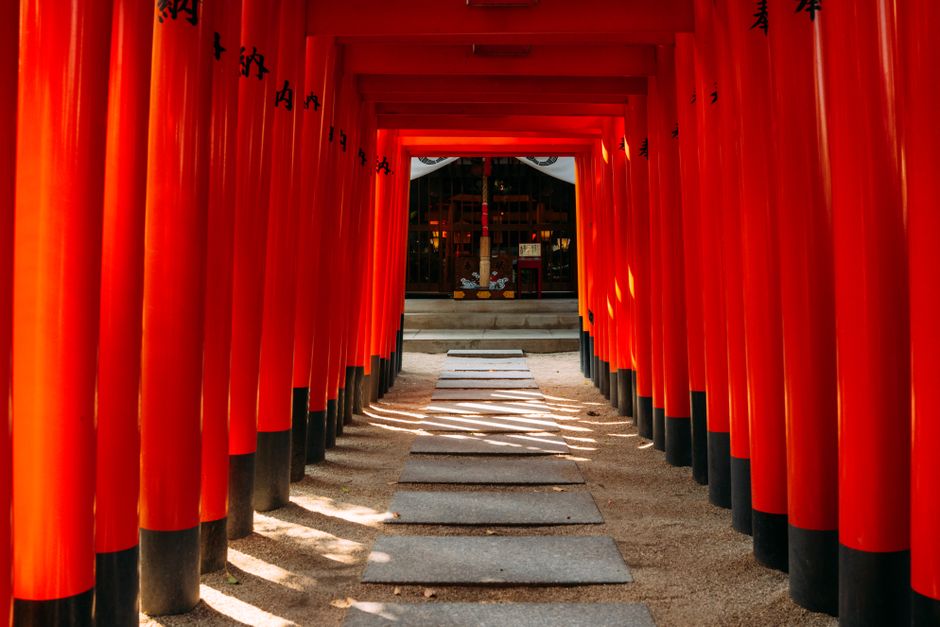
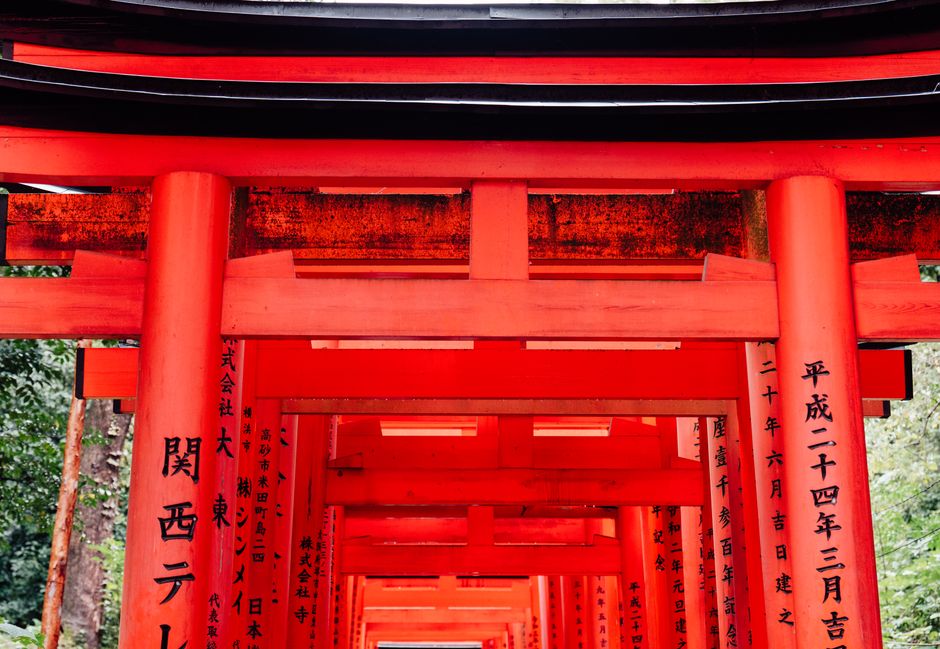
Fushimi Inari-taisha is the shrine with ten thousand red torii gates. It is the most photographed site in Kyoto. And it is a mob scene. The lower gates are packed with people. But here is the thing: the path goes up a mountain. Most tourists stop after the first hundred gates. They take a photo and turn around.
The solution is simple. Walk up. The path climbs through the forest, and the crowds thin out dramatically after the first twenty minutes. By the time you reach the Yotsutsuji intersection, about halfway up, you will have the gates to yourself. The view over Kyoto is better than anything at the bottom. The full loop takes about two to three hours. Bring water. Wear shoes that can handle stone steps.
After Fushimi Inari, take the train back to central Kyoto. Spend the afternoon in Gion. This is the geisha district, but it is not a theme park. The streets are lined with traditional machiya townhouses. Walk down Hanamikoji Street and the smaller alleys that branch off it. Do not chase geisha with a camera. They are working. Just observe the architecture and the atmosphere.
Evening: A Final Tea Ceremony
This is the time for a formal tea ceremony. Book one at En in Gion. The ceremony lasts about 45 minutes. The host explains the ritual, the tools, and the philosophy. You will make your own matcha. It costs around 3,000 yen per person. It is a structured, educational experience. After four days of walking, it is the right way to end.
Kyoto Budget Reality Check
Kyoto is not cheap, but it is not Tokyo. You can do it on a mid-range budget without suffering. Here is what to expect per day, per person, in 2026.
| Expense | Budget Option | Mid-Range Option |
|---|---|---|
| Accommodation | Hostel dorm: 3,500 yen | Business hotel: 12,000 yen |
| Food | Convenience store + ramen: 2,500 yen | Casual restaurants: 6,000 yen |
| Transport | Bus day pass: 700 yen | IC card + occasional taxi: 2,000 yen |
| Temple entries | 2 temples: 1,000 yen | 3-4 temples: 2,500 yen |
| Tea ceremony | Casual tea house: 1,500 yen | Formal ceremony: 3,000 yen |
| Total per day | 9,200 yen | 25,500 yen |
The budget option works if you are young, flexible, and willing to eat on the go. The mid-range option gives you a private room, better food, and more comfort. Both are valid. The key is to decide before you arrive. Do not drift into expensive taxis and overpriced kaiseki dinners unless that is your actual goal.
What You Should Skip (And Why)
Not everything in Kyoto is worth your time. Some sites are overcrowded, overpriced, or simply not as good as the alternatives. Here is my list of skips.
- Kinkaku-ji: The Golden Pavilion is a photo op, not an experience. You cannot go inside. The crowd is intense. Ryoan-ji and Ninna-ji are better.
- The Arashiyama Bamboo Grove after 9:00 AM: It is a narrow path. You will be shoulder to shoulder with strangers. Go at dawn or skip it.
- Geisha spotting tours: These are exploitative and often involve groups of tourists blocking the streets. Gion is a living neighborhood, not a zoo.
- Kaiseki dinners under 10,000 yen: A cheap kaiseki is a disappointment. The ingredients are not good enough, and the service is rushed. If you want a great meal, go to a good soba or udon shop instead. You will spend less and eat better.
- The Philosopher’s Path in summer: It is a beautiful walk, but in July and August it is a hot, humid corridor with no shade. Do it in spring or autumn.
This is the tradeoff. Kyoto rewards patience. The more you try to see, the less you actually experience. Four days is enough to understand the city. But only if you stop rushing.