Kyoto gets 50 million visitors a year. Most of them pile into the same five spots between 10 a.m. and 4 p.m. You don’t need a secret map. You need a different clock and a different postal code.
This itinerary is built on one rule: start early, go far, then come back to the center when the buses leave. You’ll still see the big names. But you’ll see them at 7 a.m. with monks, not at noon with selfie sticks.
Day 1: The Temple Suburbs Nobody Schedules
Skip the city center entirely on day one. Head north to Ohara, a farming village 40 minutes by bus from Kyoto Station. Sanzen-in Temple sits here. It’s a moss garden with wooden corridors that creak under your socks.
Why this works: tour groups don’t do Ohara. The bus ride filters out 90% of visitors. You get temple bells, cedar forests, and pickled cucumber stands run by grandmothers.
What to Actually Do in Ohara
- Sanzen-in opens at 8:30 a.m. Go then. The yuka floor seats face a garden that looks painted.
- Walk 15 minutes uphill to Otonashi Waterfall. The path is marked but empty.
- Eat lunch at a farmhouse restaurant. Try the tororo soba — grated mountain yam over buckwheat noodles.
Back in central Kyoto by 3 p.m., drop your bags and walk the Kamo River at dusk. No itinerary needed. Just sit on the stone banks near Demachiyanagi and watch herons fish.
Day 2: Fushimi Without the Crowd Mathematics
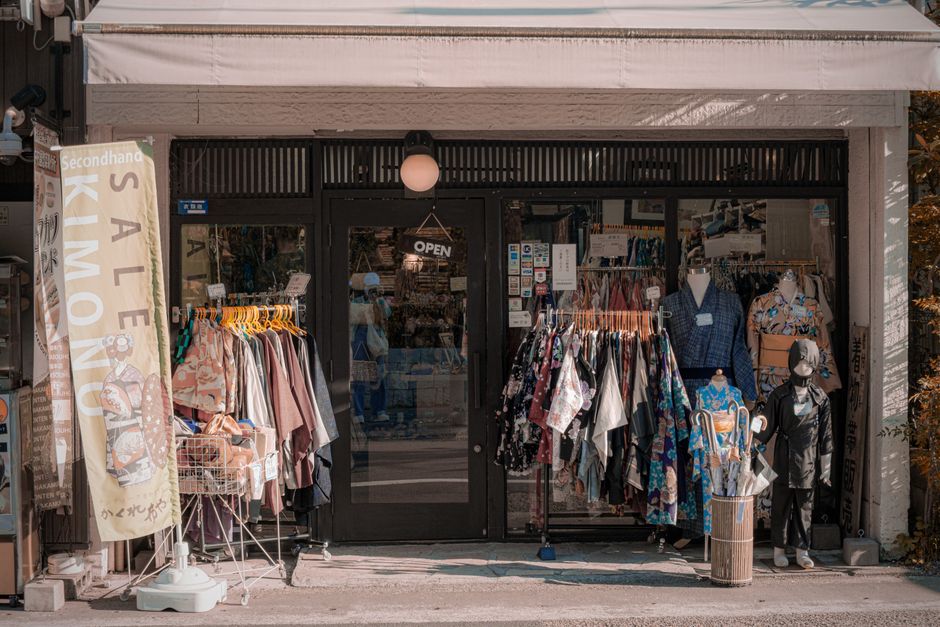
Fushimi Inari’s orange gates are Kyoto’s most photographed spot. At noon, it’s a conga line. At 6:30 a.m., it’s empty. Go at 6:30 a.m. This is not negotiable.
The full mountain loop takes 2–3 hours. Most people stop at the first gate cluster, take a photo, and leave. Keep walking. The gates continue up the mountain, thinning out until you’re alone with crows and stone foxes.
The Sake District Most Tourists Miss
At the base of Fushimi Inari sits the Fushimi Sake District. The area has been brewing sake for 400 years because its groundwater is soft and iron-free. You can taste that difference.
Gekkeikan Okura Sake Museum (¥600) takes 30 minutes and includes three tastings. Aburacho and Fushimi Sake Village sell small-batch bottles you won’t find in Tokyo airports.
Verdict: Fushimi Inari at sunrise, then sake at 10 a.m. You’ll be done with the area before the tour buses unload.
Day 3: The Comparison Table Day
Kyoto has 1,600 temples. You can’t see them all. You shouldn’t try. Here’s the honest breakdown of which ones earn your time:
| Temple | Why Go | Why Skip | Best Time |
|---|---|---|---|
| Tofuku-ji | Massive zen rock garden, massive wooden bridge | Autumn crowds are brutal | 8:30 a.m. weekdays |
| Daitoku-ji | Quiet subtemples, real working zen | No single iconic photo | Anytime |
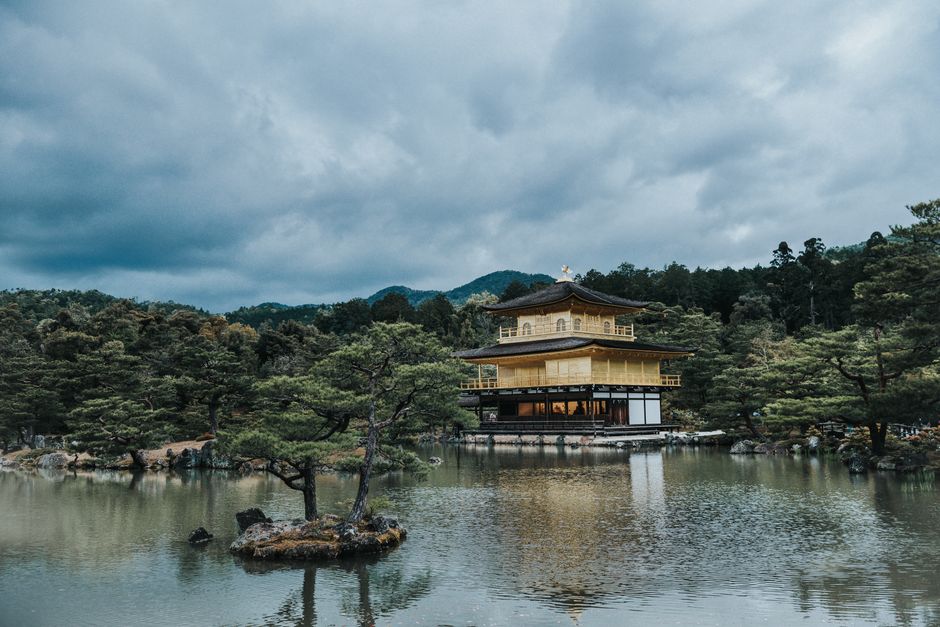
| Kinkaku-ji | Gold pavilion, cultural weight | You can’t enter it, photos only | 9 a.m. or skip |
| Ginkaku-ji | Silver pavilion, better garden than Kinkaku | Philosopher’s Path crowds | 8:30 a.m. |
My pick: Daitoku-ji. It’s a walled compound of 22 subtemples in northwest Kyoto. You’ll share the stone paths with monks and maybe a film crew. No gacha machines. No matcha soft serve. Just gravel, pine, and silence.
Day 4: Uji
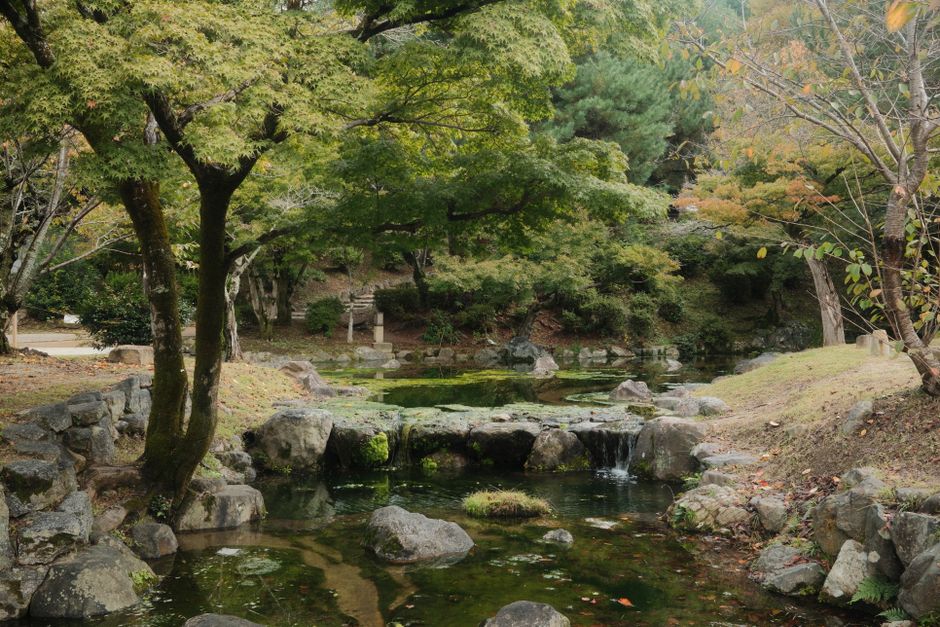
Uji is 20 minutes south of Kyoto Station by train. It’s where the Tale of Genji was written and where most of Japan’s best matcha grows. It gets a fraction of Kyoto’s tourists.
Byodo-in Temple is the building on the ¥10 coin. The Phoenix Hall sits over a reflecting pond. It’s small, so crowds matter less — you can see the whole thing from the gate.
Then walk across Uji Bridge to Nakamura Tokichi (main store, not the cafe). Buy matcha that’s stone-ground in-house. The matcha soba at their restaurant is green enough to taste like grass in a good way.
End the day at Mimuroto-ji Temple, a hillside garden with hydrangeas in June and azaleas in May. It’s a 15-minute walk from Uji Station and usually empty.
Day 5: The Mountain Day
Take the Eizan Railway to Kurama. The train itself is worth the trip — it winds through forested gorges with a driver who narrates in Japanese over a tinny speaker.
At Kurama, hike over the mountain to Kibune. The trail is 2.5 kilometers, takes about 90 minutes, and passes through cedar roots and small shrines. Wear shoes with grip. The path gets muddy even in dry weather.
In Kibune, eat kawadoko — riverside dining on platforms built over the water. It runs May through September. Hirobun serves nagashi somen, cold noodles that float down a bamboo chute. You catch them with chopsticks. It’s the most fun you’ll have eating in Kyoto.
If you skip the hike, Kurama Onsen has an outdoor bath with mountain views. It’s the right way to end five days of walking.
When to Skip This Itinerary
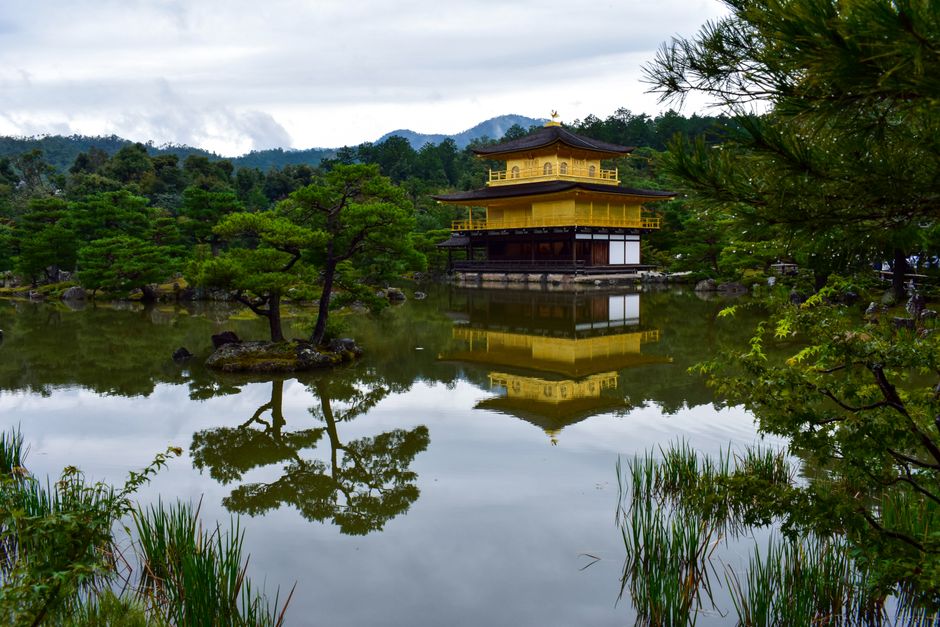
This route is not for first-timers who want the postcard checklist. If you need Kinkaku-ji, Kiyomizu-dera, and Arashiyama Bamboo Grove all in one trip, do those first. This itinerary assumes you’ve either seen the big names or don’t care.
It’s also not for people who hate early mornings. Three of these days start before 7 a.m. That’s the trade. You sleep in, you get crowds. You wake up early, you get Kyoto.
For those willing to set an alarm, this is the version of Kyoto that still feels like a city of temples, not a theme park.