
Most people think Chase travel rewards mean using the Chase portal to book flights at 1.25 cents per point. That’s the default move. It’s also usually the wrong one.
I’ve been tracking Ultimate Rewards valuations for years. The portal rate is a floor, not a ceiling. Transfer partners routinely beat it by 2x or more. But you need to know which transfers actually work and which ones burn your points.
This guide covers the mechanics. No fluff. Just how the system actually functions, where people lose value, and how to avoid the common traps.
The Core Misconception About Ultimate Rewards Points
Chase Ultimate Rewards points are not all created equal. The value you get depends entirely on which card you hold and how you redeem. A point sitting in a Chase Freedom Unlimited account is worth 1 cent toward travel. That same point moved to a Chase Sapphire Reserve account jumps to 1.5 cents in the portal. Transferred to World of Hyatt, it can hit 2+ cents.
The first thing to understand: points are a currency, not a coupon. Currencies trade at different rates depending on where you spend them. Your job is to find the best exchange rate.
Card Tiers Change Everything
The Chase Sapphire Preferred ($95 annual fee) gives you 1.25 cents per point in the portal. The Chase Sapphire Reserve ($550 annual fee, $300 travel credit) gives 1.5 cents. The Chase Freedom Flex and Freedom Unlimited earn Ultimate Rewards but you cannot transfer to partners unless you also hold a Sapphire card. That’s the gatekeeper mechanic most people miss.
The Transfer Partner Multiplier
Transfer partners are where Chase beats competitors. You move points 1:1 to airlines and hotels, then book awards directly. A round-trip economy ticket to Europe might cost 60,000 points through the portal. That same ticket booked through Air France/KLM Flying Blue could cost 44,000 points plus $200 in taxes. You save 16,000 points. That’s the multiplier effect.
Bottom line: If you only use the portal, you’re leaving 30-50% of value on the table. The portal is fine for simple domestic flights when cash prices are low. For everything else, transfers win.
Which Transfer Partners Actually Deserve Your Points
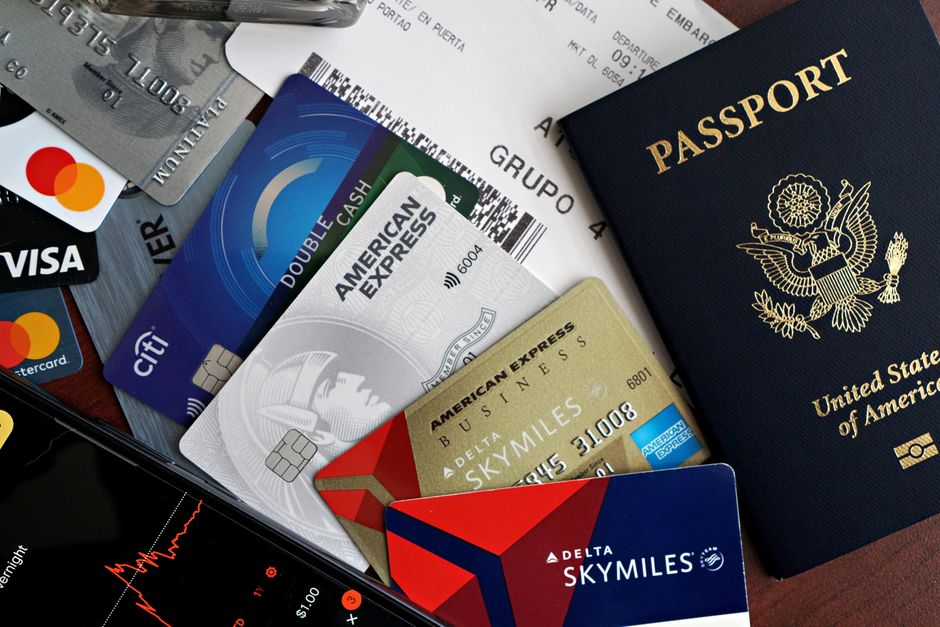
Chase has 14 transfer partners. Most are mediocre. A few are exceptional. Here’s the honest breakdown.
| Partner | Best Use | Typical Value Per Point | Transfer Speed |
|---|---|---|---|
| World of Hyatt | Luxury hotels, all-inclusive resorts | 1.8-2.5 cents | Instant |
| Air France/KLM Flying Blue | Europe flights, promo awards | 1.4-2.0 cents | Instant |
| United MileagePlus | Domestic saver awards, no close-in fees | 1.2-1.6 cents | Instant |
| Virgin Atlantic Flying Club | Delta domestic flights, ANA first class to Japan | 1.5-2.2 cents | Instant |
| British Airways Avios | Short-haul AA/Alaska flights under 1,150 miles | 1.3-1.8 cents | Instant |
| Marriott Bonvoy | Rare 5th-night-free redemptions | 0.8-1.2 cents | 2 days |
| IHG One Rewards | Budget hotels when cash rates spike | 0.6-0.9 cents | 1 day |
Hyatt is the crown jewel. Category 4 hotels cost 15,000 points per night. Cash rates for those same properties often run $250-350. That’s 1.7-2.3 cents per point without any special tricks. No other hotel program comes close.
Marriott and IHG transfers are almost always a mistake. Their points are worth less than Chase points. You’re trading down. Unless you need a small top-up for a specific redemption, avoid both.
How To Stack Points Across Multiple Chase Cards
One card alone won’t maximize anything. The system works when you combine cards strategically. Here’s the setup I recommend most people build toward:
- Chase Freedom Unlimited — 1.5% back on everything, 3% on dining and drugstores. No annual fee. Earns Ultimate Rewards.
- Chase Freedom Flex — 5% rotating quarterly categories (up to $1,500 per quarter). No annual fee. Also earns Ultimate Rewards.
- Chase Sapphire Preferred — The transfer key. $95 annual fee. 3x on dining, 2x on travel. This card unlocks partner transfers for all points earned on the Freedom cards.
You move points from Freedom cards to the Sapphire card, then to partners. That’s the stack. A family spending $3,000 per month on the right categories can earn 60,000-80,000 points annually without changing spending habits. That’s two round-trip domestic flights or 4-5 Hyatt nights.
The Mistake Most People Make
They redeem Freedom points directly for cash back or statement credits. That’s 1 cent per point. By moving those same points to a Sapphire card and transferring to Hyatt, they’d get 2 cents. Every point cashed out early is value destroyed.
When The Chase Portal Is Actually The Right Choice
I just spent several hundred words telling you transfers beat the portal. That’s true most of the time. But there are exceptions.
If a domestic flight costs $250 round-trip and you hold the Sapphire Reserve, you’d pay 16,667 points through the portal. That same flight as a United saver award might cost 25,000 miles. Portal wins. Book it there.
Portal bookings also earn airline miles and elite credit, since they’re treated as cash tickets. Award bookings earn nothing. For people chasing status, the portal has a hidden advantage.
The portal also makes sense when transfer partner availability is zero. Peak holiday travel, last-minute bookings, popular routes — award space disappears fast. The portal always has seats as long as cash tickets exist.
Bottom line: Use the portal for cheap domestic flights, status runs, and when award space is gone. Use transfers for international premium cabins and Hyatt hotels.
Failure Modes: Where Chase Travel Rewards Go Wrong
I’ve watched people lose thousands of points to avoidable mistakes. Here are the failure modes that matter.
Transferring before confirming award space. Transfers are one-way. Once points leave Chase, they never come back. Before you transfer, search the partner’s award calendar. Confirm the exact flight and date exists. Then transfer. Then book immediately. Hyatt and most airlines transfer instantly, so the risk window is small. But if you transfer 100,000 points to Virgin Atlantic and the ANA first class seat vanishes, those points are stuck at Virgin.
Ignoring taxes and fees on award tickets. British Airways flights to London carry $300-500 in fuel surcharges on award tickets. You pay points AND cash. Flying Blue charges $200-300 on transatlantic awards. Always check the total cash outlay before transferring. A “free” flight that costs $400 in fees isn’t free.
Letting points expire. Chase points don’t expire as long as your account stays open. But if you close your last Ultimate Rewards-earning card without transferring points first, you lose everything. Before closing any Chase card, move points to another card or redeem them.
Hoarding instead of using. Points devalue over time. Programs raise award prices, hotels move up categories, airlines add surcharges. A point saved for five years is usually worth less than a point spent today. Use points within 12-18 months of earning them.
Building A Redemption Workflow That Works

Here’s the sequence I follow for every redemption. It takes 10 minutes once you know the steps.
First, decide what you’re booking: flight or hotel. For hotels, go straight to Hyatt. Search the destination, check category pricing, compare to cash rates. If the math shows 1.8+ cents per point, transfer and book. If not, pay cash and save points for a better redemption.
For flights, start with Google Flights to find the cheapest cash option. Then check United, Flying Blue, and Virgin Atlantic award calendars for the same route. Compare total cost in points plus fees against the portal rate. Pick whichever costs fewer points for the same experience.
Always book refundable or flexible awards when possible. Plans change. Hyatt and most airlines allow free cancellation on award bookings up to a certain date. That flexibility is worth more than squeezing out an extra 0.2 cents per point.
This is not financial advice. Credit card rewards programs change terms frequently. Check current rates and policies before applying or transferring.
Summary: The Cheat Sheet
- Best hotel transfer: World of Hyatt — 1.8-2.5 cents per point
- Best airline transfer: Flying Blue or Virgin Atlantic — 1.4-2.2 cents
- Portal sweet spot: Cheap domestic flights when cash prices are under $300
- Core mistake: Transferring before confirming award space
- Card stack: Freedom Unlimited + Freedom Flex + Sapphire Preferred
- Points lifespan: Spend within 12-18 months, devaluation is constant