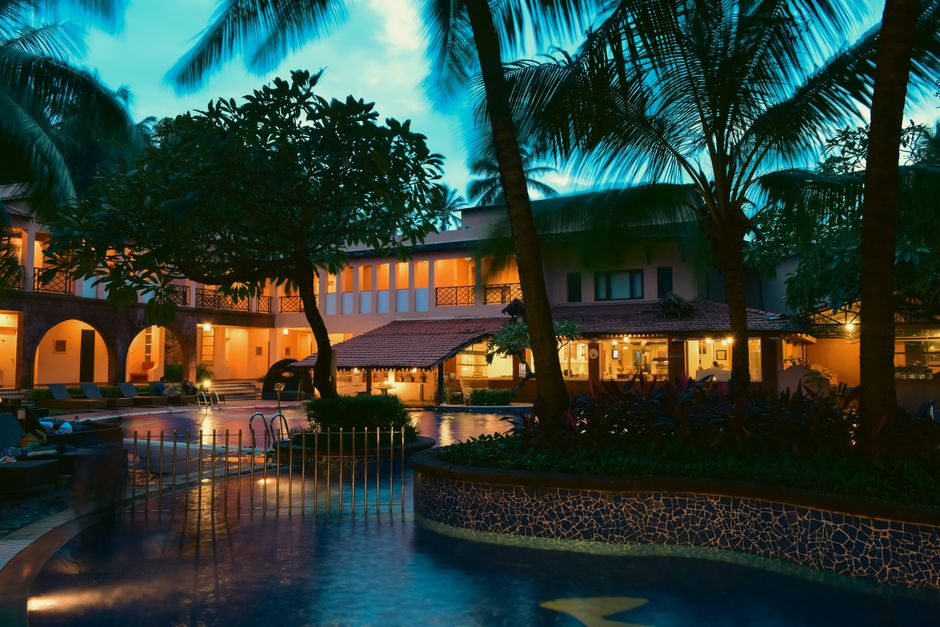
The common mistake is treating an indoor resort break as a failed pool day. In June, the smartest travelers plan that pause before the heat drains them. A cool room, a quiet activity, and a fixed return time can protect the rest of the day without making the trip feel smaller.
Why June heat needs a pacing plan, not a backup plan
Heat pacing works because fatigue builds before most people notice it. A sunny walk to breakfast, two hours beside the pool, and a late lunch on a hot terrace can push your body past the point where a short shower fixes the problem. You may still be inside the resort, but your energy has already been spent.
The heat peak is usually the wrong time to improvise
For many June destinations, the harshest outdoor window falls between about 11 a.m. and 4 p.m. The exact timing changes with latitude, humidity, wind, and cloud cover, but the pattern is reliable: direct sun and warm surfaces make the middle of the day feel harder than the morning or evening. If you wait until everyone feels miserable, the available indoor choices may be crowded, fully booked, or too noisy for real recovery.
Plan the indoor block while the group still has enough energy to enjoy it. That usually means moving inside after lunch rather than after an argument.
A real break should lower input, not add another attraction
A backup plan fails when it becomes a second itinerary. A crowded shopping center, a long indoor excursion, or a resort activity with fixed participation rules may keep you out of the sun, but it does not always give your body or attention a rest. The useful test is simple: can everyone sit down, cool off, drink water, and choose a low-pressure activity within 15 minutes?
My recommendation is to treat the indoor window as protected recovery time. Book one easy option, keep one room-based option available, and return outdoors only when the group feels refreshed rather than merely bored.
Build the indoor window around the heat peak
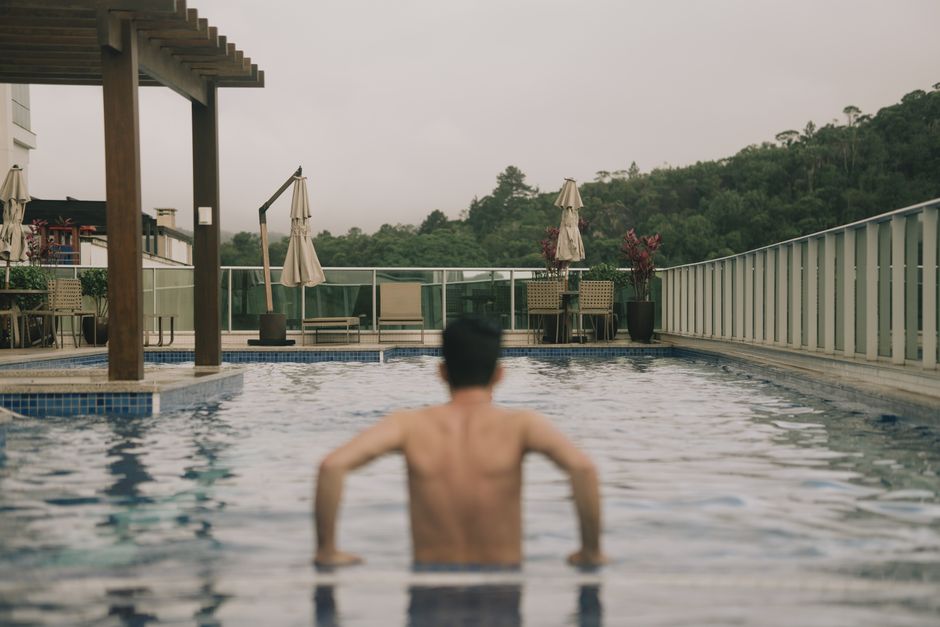
The best June schedule is not complicated. It uses the cool parts of the day for movement and the hottest part for deliberate slowing down. This approach gives you more usable vacation time because you avoid losing an entire afternoon to exhaustion.
Use this four-step daily rhythm
- Start outdoors early. Schedule walking tours, beach time, tennis, or sightseeing before 10:30 a.m. Carry water even when the morning feels mild.
- Eat before the crash. Aim for lunch around 11:30 a.m. to 12:30 p.m. A heavy meal followed by direct sun often creates a second wave of fatigue.
- Protect a 90-minute indoor block. Set the room temperature comfortably, close bright curtains, and choose one quiet activity. Do not fill every minute.
- Return outside after the surface cools. A late swim, shaded café, short walk, or sunset event usually feels better after 4 p.m. than it would at noon.
Keep the transition short and boring
Do not send everyone back to the room with a list of chores. Shower, change into dry clothes, refill bottles, and put phones on charge. The aim is to remove friction. A 20-minute transition followed by an hour of calm beats a two-hour debate about what to do next.
For families, assign one person to check pool, restaurant, and activity times before the break starts. For couples or solo travelers, choose the next outing before lying down. That small decision prevents the cool room from turning into an unplanned nap that shifts the whole evening.
Which room-based gear earns space in your luggage?
My clear pick is a small three-part indoor kit: one quiet entertainment tool, one charging solution, and one recovery item. You do not need all of them, but each solves a different problem. The prices below are US snapshots checked in October 2026 and can change by retailer.
A practical comparison for a June resort room
What matters more than buying the premium option
Start with the activity, not the gadget. A book, downloaded podcast, deck of cards, or simple journal may do more for a tired traveler than another screen. Pack a short charging cable, a soft eye mask, and a refillable bottle before spending money on extras.
Three generic tips improve almost any setup: download entertainment before leaving home, keep one dry shirt within reach, and use a small pouch so cables do not spread across the room. The best choice for most travelers is the Kindle Paperwhite if reading already feels restful; the best choice for noisy shared rooms is the AirPods Pro 3.
How do you make a hotel room feel restorative?

The room itself matters more than the activity. A good indoor break should change the sensory conditions that caused the fatigue: glare, heat, noise, thirst, and the pressure to keep moving. Set the room up in that order.
Should you cool the room or darken it first?
Darken it first if strong sunlight is hitting the bed or seating area. Close curtains, switch off unnecessary lamps, and move away from the glass. Then set the air conditioning to a comfortable temperature instead of the coldest possible setting. A dramatic temperature drop can feel unpleasant after sweating, and it may leave the room clammy.
Place water beside the chair before you sit down. Add a light snack if lunch was early. Five minutes of setup prevents repeated trips into the hot corridor.
Which low-effort activity works best?
Choose one activity that can stop without penalty. The Kindle Paperwhite suits readers who want a screen-free feeling, while the AirPods Pro 3 work better for a shared room where television noise would bother someone else. A short session with the Theragun Mini 3rd Gen can help tired legs feel less heavy after walking, but use light pressure and avoid injured or swollen areas.
Do not stack entertainment, planning, exercise, and email into the same break. The room should feel different from the lobby and pool deck. One activity, one drink, and one clear end time are enough.
What should you book, pack, and skip for June 2026?

Book the pause before you book the extra activity. That single decision gives a hot-weather resort day a reliable shape. It also protects the part of the trip that people remember: an evening where everyone still has enough energy to enjoy dinner, conversation, and a walk.
The best combination for most travelers
Reserve an early outdoor activity, leave the middle of the day open, and choose one indoor anchor such as a spa appointment, quiet reading hour, shaded museum visit, or private room reset. Pack only the gear that supports that plan. For a shared room, AirPods Pro 3 are the strongest sound-control option. For readers, the Kindle Paperwhite is the cleanest low-effort choice. For walkers with ordinary post-exercise tightness, the Theragun Mini 3rd Gen is useful, but it is too expensive to justify for a traveler who rarely uses massage tools.
What not to buy or schedule
Do not buy a large entertainment device just to fill an empty afternoon. Do not schedule a fixed indoor tour at the exact point when everyone needs silence. Do not carry a heavy power station when a compact 10,000mAh charger will cover a phone and earbuds. The best indoor backup is small, flexible, and easy to abandon when the weather improves.
The single most important takeaway: in June, schedule the cool indoor break before the heat forces you to stop.