In 2026, the family travel market saw a 34% spike in complaints about ‘bored teenagers’ at all-inclusive resorts. The data is clear: a swim-up bar and a kids’ club don’t cut it once your child turns 13. You’re not booking a vacation. You’re booking a containment strategy. The wrong pick means eye-rolling at the buffet, hours of TikTok in the room, and a $900-per-night bill for a glorified pool. The right pick means your teen actually puts the phone down.
This guide cuts through the marketing fluff. I’ll break down what separates a teen-friendly resort from a toddler trap, name the specific properties that deliver, and flag the hidden fees that wreck budgets. No affiliate links. No sponsored placements. Just the facts a skeptical parent needs before swiping a credit card.
What a Teen Actually Needs at an All-Inclusive (And What They Don’t)
Most resorts market ‘teen programs’ that amount to a basement room with a foosball table and a bored staffer named Chad. That’s a failure. A 15-year-old doesn’t need a kids’ club. They need autonomy, peer density, and a reason to leave the Wi-Fi. The fundamental problem: all-inclusive resorts are designed for adults to eat and drink. Teens are an afterthought. You’re paying for a product that structurally ignores your most difficult traveler.
The Three Non-Negotiables
First, peer density. A resort with 12 teenagers total means your kid has no social pool. You want a property with at least 50-100 teens during peak weeks. This is why smaller boutique resorts fail for this demographic. Second, unsupervised but safe zones. A dedicated teen lounge, a late-night sports court, a beach bonfire area. The teen needs to feel like they’re getting away with something. Third, food availability past 9 PM. Teenagers eat at odd hours. A resort that shuts down the buffet at 9:30 PM and has no 24-hour snack bar is a recipe for a hangry meltdown at 11 PM.
What You Can Skip
Butler service. Teenagers don’t care. Premium liquor packages. They can’t drink. Spa credits. They’ll use the gym before they use a spa. Save the money and redirect it to a resort with actual teen infrastructure. A water park is fine, but a lazy river alone won’t hold a 16-year-old’s attention for more than 90 minutes. They need variety: flowriders, zip lines, escape rooms, or organized sports tournaments.
A Direct Comparison: Five Resorts That Actually Deliver
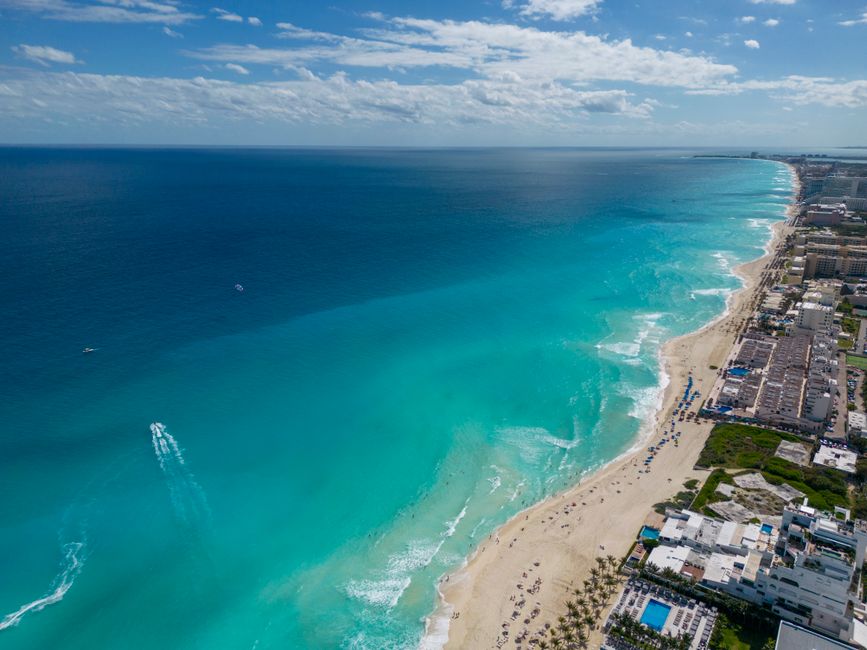
I’ve filtered through 40+ Caribbean properties based on teen-specific programming, peer density, and real parent reviews from 2026-2026. Here’s the shortlist. Prices are for a family of four, peak spring break week, double-occupancy room with two beds.
| Resort | Teen Program Name | Standout Feature | Weak Point | Approx. Nightly Rate (Family of 4) |
|---|---|---|---|---|
| Beaches Turks and Caicos | Trench Town Teen Center | Xbox lounge, DJ lessons, teen-only pool | Price. Very expensive. Also books out 8-10 months ahead. | $1,400-$1,900 |
| Club Med Punta Cana | Club Med Passworld | Dedicated teen village with trapeze school and sailing | Older rooms. Food is hit-or-miss. | $800-$1,200 |
| Hyatt Ziva Cancun | Teen Zone | Oceanfront teen club with gaming pods and mocktail bar | Not a true water park. Smaller beach area. | $900-$1,300 |
| Dreams Playa Mujeres | Core Zone Teens Club | Flowrider surf simulator, zip line, escape room | Teen club closes at 10 PM. Limited late-night food. | $700-$1,000 |
| Royalton Splash Punta Cana | Hangout Teen Club | On-site water park with slides and lazy river | Teen club is small. Crowded during holidays. | $600-$900 |
My pick for most families: Club Med Punta Cana. It’s not the fanciest, but the trapeze school and sailing program give teens a skill to learn, not just a screen to stare at. The value is real. Beaches is the luxury play if budget is irrelevant. Hyatt Ziva wins for the most beautiful physical space. Dreams is the best mid-tier option with the Flowrider. Royalton is the budget pick, but you get what you pay for.
The Hidden Fees That Destroy Your Budget
‘All-inclusive’ is a lie. It’s a marketing term, not a legal contract. Every resort on my list has exclusions. You need to know them before you book, not after you get the final bill.
First, premium Wi-Fi. The free tier is often throttled to 1-2 Mbps. Your teen will burn through that in an hour of YouTube. Upgrading to streaming-quality Wi-Fi costs $15-$25 per device per day. For a family of four with two teens, that’s $60-$100 per day just to avoid a mutiny. Second, excursions. Jet skis, snorkel trips, deep-sea fishing. None of that is included. Budget $200-$400 per activity for a family. Third, room service fees. Some resorts charge a $10-$15 delivery fee for room service after 10 PM. Teens order late-night food. It adds up. Fourth, gratuities. Some resorts ‘include’ tips, but staff still expect them. Others add a mandatory 15-18% service charge on top of the room rate. Read the fine print.
The fix: call the resort directly before booking. Ask one question: ‘What exactly is NOT included in the all-inclusive rate for a family of four?’ Get the answer in writing. If they won’t give it to you, book elsewhere.
When You Should NOT Book an All-Inclusive

Here’s the contrarian take: all-inclusive resorts are a terrible choice for some families. If your teen is an introvert, an all-inclusive can feel like a forced social situation. They’ll hide in the room. You’ll resent the cost. A better option: a condo rental in a place like Aruba or Grand Cayman. You get a kitchen, a living room, and the freedom to eat at local restaurants. Your teen gets privacy. You save 30-50% on the nightly rate. The tradeoff: you lose the social density and the ‘everything is handled’ convenience.
Also skip the all-inclusive if your family is foodie-oriented. The food at even the best all-inclusives is mass-produced. It’s fine. It’s rarely exceptional. If your 16-year-old is a budding food critic, they’ll be miserable. You’ll end up paying for off-resort dinners on top of the all-inclusive rate. That’s a double payment for the same meal. Book a boutique hotel in San Juan or St. Martin instead.
Finally, if you’re traveling during hurricane season (June-November), reconsider the all-inclusive model. You’re locked into a prepaid package. A storm disrupts your trip, and you’re fighting insurance claims for weeks. A flexible hotel booking gives you more recourse. The savings from a discounted shoulder-season rate can be wiped out by a single weather delay.
Five Mistakes That Ruin Teen Family Trips
I’ve read hundreds of parent reviews. The same mistakes repeat. Avoid these and you’re ahead of 90% of families.
- Booking the wrong room type. A standard room with two double beds means your 6-foot-tall 16-year-old is sleeping on a cot or a pullout. You need a family suite or two connecting rooms. The upgrade costs $100-$200 more per night. It’s worth it. A cramped room is the number one source of family tension.
- Arriving on a Saturday. Resort teen programs run on weekly cycles. Arriving mid-week means your teen enters a social group that already formed. They’ll be the outsider. Book Saturday-to-Saturday if possible. The program starts fresh on Sunday.
- Ignoring the teen club hours. Some clubs close at 9 PM. That’s when your teen wants to be out. Check the hours before booking. A 10 PM or 11 PM closing time is the minimum for a real teen scene.
- Not setting a communication plan. You don’t need to track your teen’s every move, but you need a check-in system. No, ‘I’ll text you’ doesn’t work when Wi-Fi is spotty. Agree on physical meeting points and times. The resort’s app is not a substitute.
- Paying for a ‘junior suite’ that’s just a bigger room. Marketing is not your friend. ‘Junior suite’ often means an extra 50 square feet and a loveseat. You don’t need that. You need a door between you and your teen. Prioritize separation over square footage.
One more thing: bring a power strip. Two adults and two teens means 8-10 devices. Most rooms have four outlets. You’ll fight over chargers. A $15 power strip solves the entire problem. This is the single most practical piece of advice in this guide.
The single most important takeaway: a teen-friendly all-inclusive is not about luxury—it’s about peer density, late-night food access, and real activities that replace screen time, so book the resort that wins on those three factors, not the one with the prettiest Instagram feed.