Book the first timed entry and arrive before the doors open
The best way to cut a January museum queue is simple: reserve the first timed entry and arrive 15 minutes early. January can bring lighter crowds, but famous museums still fill quickly on weekends, school holidays, rainy afternoons, and free-admission days. Cold weather also pushes more visitors indoors, so a quiet-looking street does not guarantee a fast entrance.
Choose a timed ticket before choosing the museum route
Start with the museum’s official ticket page. Pick a timed entry rather than an open ticket whenever the option exists. A timed ticket does not always remove security screening, cloakroom checks, or bag inspection, but it usually removes the longest uncertainty: waiting for a place inside. The first entry window is usually the safest choice because delays have not yet spread through the building.
Why 15 minutes early is enough
Arriving too early creates its own problem. You stand outside in the cold, and some museums do not let visitors form a proper line until staff open the entrance area. Fifteen minutes gives you time to find the correct gate, show the booking confirmation, and put away large items. It also protects the reservation if the entrance sits on a different street from the main facade.
- Book the earliest practical slot.
- Save the ticket offline in case the signal fails.
- Check the entrance name, not only the museum name.
- Carry one small bag that can pass through security quickly.
Which January museum entry plan has the lowest queue risk?
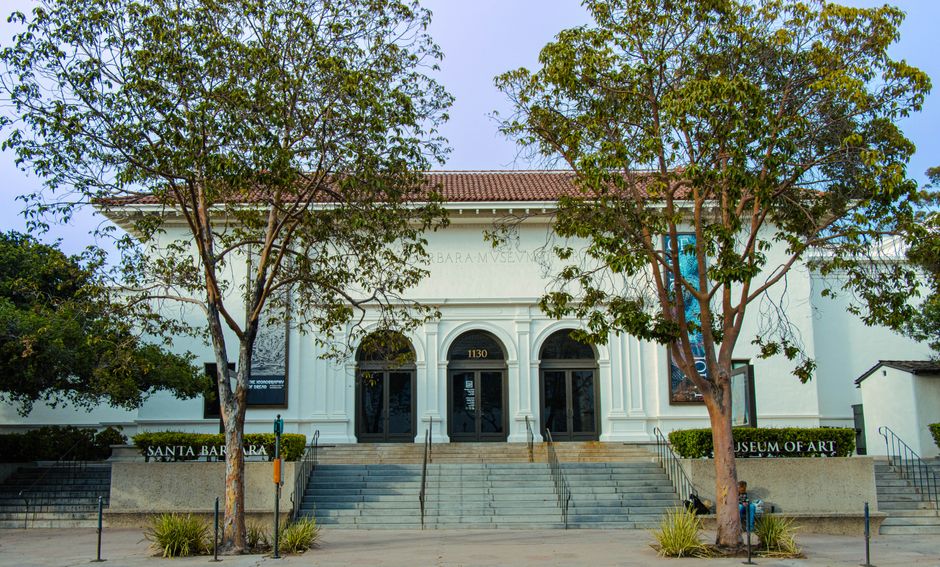
The lowest-risk plan combines a timed ticket, a weekday visit, and an early arrival. The table below gives a useful planning baseline for large city museums. It is not a promise of empty galleries. Special exhibitions, school groups, strikes, and security alerts can change the pattern on any day.
Use the low-risk window first
| Visit plan | Expected queue risk | Best use | Main drawback |
|---|---|---|---|
| Weekday, first entry, timed ticket | Low | Popular permanent collections | Requires an early start |
| Weekday, 10:30 a.m. to noon | Low to medium | Visitors who need breakfast first | More pre-booked groups may arrive |
| Weekday, 2 p.m. to 4 p.m. | Medium | Short winter days and indoor plans | Late arrivals create a backlog |
| Saturday or Sunday, first entry | Medium | Travelers with fixed work schedules | Tickets sell out faster |
| Free-admission day or public holiday | High | Strict budget trips | Open-entry lines can last hours |
For a major museum such as the Louvre Museum, the Rijksmuseum, or the Uffizi Galleries, weekday morning entry is the clear winner. If the only available ticket is mid-afternoon, take it instead of gambling on a walk-up visit. A guaranteed entry later in the day is more useful than an ideal morning plan that fails at the door.
Follow a 15-minute arrival routine
Queue length often comes from small delays rather than a huge crowd. One person cannot find the ticket. Another stands at the wrong entrance. A family stops at security to unpack three large bags. Remove those delays before they reach you.
Complete these steps before leaving your hotel
- Open the confirmation and check the exact entry time.
- Mark the entrance on your phone map, including the street name.
- Download the ticket or take a screenshot of the barcode.
- Move passports, wallets, and phones into an easy-access pocket.
- Leave large umbrellas, tripods, food, and oversized bags behind.
- Check the museum’s bag policy and cloakroom rules.
- Plan to reach the building 15 minutes before the booked slot.
Use the route with the fewest decisions
Do not arrive at a large museum and start exploring the building from the outside. Follow one route from the station to the named gate. In winter, this matters because rain, ice, and crowded sidewalks slow the final 500 metres. If you travel with children or a wheelchair, add another 10 minutes. The goal is not to stand at the front of a queue. The goal is to reach the correct checkpoint calmly before your slot expires.
A paper backup still helps. Write down the museum name, entrance, booking time, and local-language address. Phone batteries drop faster in cold weather, and some underground stations have poor signal.
When no timed ticket is available, change the day before changing the museum

Walk-up entry is the main source of wasted January mornings. Visitors see a short queue at opening time, join it, and discover that the line is for ticket sales rather than security. By the time they reach the desk, the next available entry may be hours away. The fix is to separate ticket availability from physical queue length.
Check three ticket types
Look for timed admission, flexible admission with a reservation, and same-day tickets released online. Museums often use different queues for each type. A flexible ticket may look convenient, but it can place you behind people with fixed reservations. A same-day online ticket is usually better than buying at the door because it tells you that entry still exists.
Move the visit to Tuesday or Wednesday
If the weekend has no reservations, move the museum rather than forcing the visit. A strong backup plan includes one large museum, one smaller museum, and one indoor non-museum activity. Smaller collections often deliver a better winter afternoon because they have fewer security points and less pressure around headline rooms. You still see art and history, but the day does not depend on a single crowded entrance.
Do not rely on a free-admission window unless you have checked the rules. Some free periods require advance registration. Others remove ticket fees but keep security and capacity limits. The word free can attract the largest crowd of the week.
Use the first available reservation intelligently
If only a late slot remains, book it and build the day around it. Eat lunch nearby before the visit, arrive early, and leave the most popular room for the final hour if the museum allows re-entry or flexible movement. Never buy a resale ticket from an unknown seller to save one hour. Invalid barcodes and name mismatches can turn a queue problem into a lost booking.
Which planning tools help, and which only add noise?
Can Google Maps predict the museum queue?
Google Maps is free and useful for checking the entrance location, walking time, and busy periods shown on the venue profile. Treat the crowd graph as a clue, not a live guarantee. It may combine the museum shop, cafe, and galleries into one estimate. Use it to compare Tuesday morning with Saturday afternoon, then confirm the final plan on the official museum page.
Is Citymapper useful for a winter museum visit?
Citymapper’s free routing is valuable when a station has several exits or a transfer adds outdoor walking. Select the route with the simplest final approach, not always the route with the fewest minutes. A two-minute saving can disappear if you leave the station on the wrong side of a large square. Save the route before leaving your hotel.
Should you buy through a ticket marketplace?
Use the official Louvre Museum, Rijksmuseum, or Uffizi Galleries ticket page first. Third-party platforms can help when official tickets are sold out, but they may add fees, different cancellation rules, or a separate meeting point. The official site gives the clearest answer about entry windows, bag limits, and temporary closures. For a queue-sensitive trip, accurate access information matters more than a glossy booking interface.
Five mistakes that turn a quiet January morning into a long wait
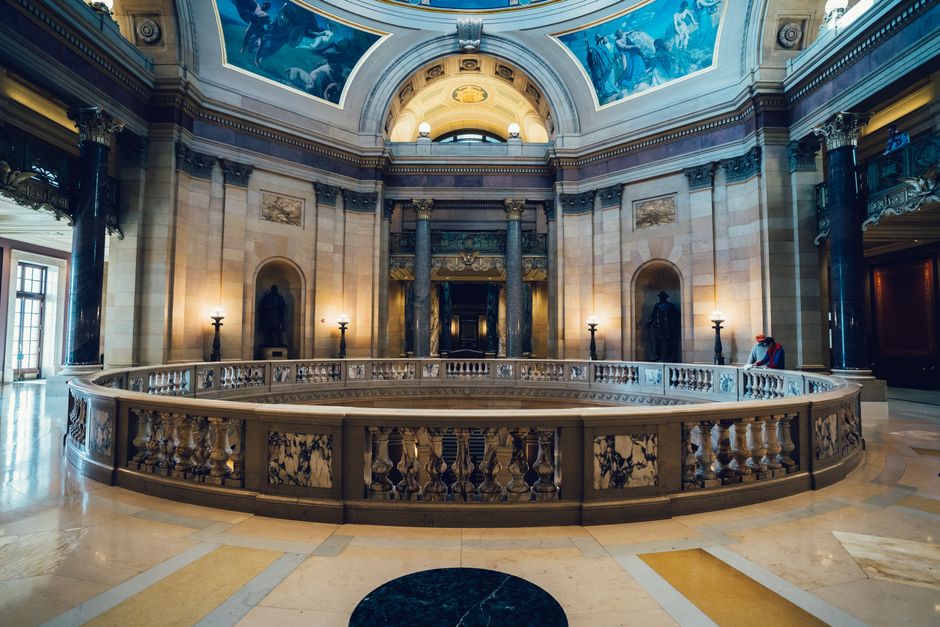
Most queue failures are predictable. Avoid these five choices and the visit becomes much easier.
Mistake 1: choosing the famous facade as the entrance
- Large museums often have separate entrances for timed tickets, groups, members, and security checks. Follow the ticket instructions rather than the biggest doorway.
- Some entrances are underground, around a courtyard, or on a side street. Check the map the night before.
Mistake 2: bringing a large day bag
- A coat, camera, umbrella, and water bottle can create a slow bag inspection. Take only what you need for the visit.
- Do not assume the cloakroom will accept every item. Some museums restrict suitcases, large backpacks, and wet umbrellas.
Mistake 3: arriving at noon because January is quiet
- Rain and cold push visitors indoors after breakfast. Noon is often busier than the first opening window.
- For a walk-up visit, late afternoon can beat noon, but only if the museum still has enough opening time for your route.
Mistake 4: planning the whole day around one museum
- Closures, strikes, sold-out slots, and tired children can break a rigid schedule. Keep one nearby alternative that needs no reservation.
Mistake 5: trusting a reseller without checking the entry rules
- Compare the seller’s ticket name, date, entry time, cancellation policy, and meeting point with the museum’s own rules before paying.
One rule matters more than every queue trick
January city museums reward a simple plan: book the earliest weekday slot you can reach, arrive 15 minutes early, carry a small bag, and keep one nearby backup for sold-out or disrupted visits; the single most important takeaway is that a timed weekday morning entry beats a hopeful walk-up visit almost every time.