p>Finland is not one destination, but four distinct worlds that cycle through the calendar with surgical precision. While many countries experience subtle shifts in weather, the transition between a Finnish “Kaamos” (polar night) and the “Midnight Sun” is a total environmental overhaul that dictates everything from your wardrobe to your mental health. Choosing a date depends entirely on whether your priority is seeing the Aurora Borealis, hiking through the Lakeland district, or visiting Santa Claus in Rovaniemi without the peak-season crowds. This guide breaks down the meteorological data, regional variations, and pricing cycles to help you select the specific window that fits your itinerary.
Navigating the Solar Cycles: When to Hunt the Aurora
To see the Aurora Borealis, you need three things: darkness, clear skies, and solar activity. While many travelers assume the dead of winter (December and January) is the optimal time, statistical data from the Finnish Meteorological Institute suggests otherwise. The equinoxes—late September to October and March to early April—frequently see higher levels of geomagnetic activity. Furthermore, these months often have fewer clouds than the snowy mid-winter period, providing a clearer view of the sky. In Northern Lapland, the lights are visible on roughly 200 nights a year, provided the sky is not obscured by overcast weather.
Optimal months for Aurora hunting
September and October offer a unique opportunity to see the “double aurora.” This occurs when the lights reflect off the open water of Finland’s thousands of lakes before the winter freeze begins. Temperatures are chilly but rarely drop below -5°C, making long nights of waiting outdoors far more manageable than in February. March is equally effective because the days are longer, allowing for daytime activities like skiing, while the nights remain dark enough for high-intensity displays. By late April, the nights become too bright in Lapland to see the lights, even if the solar activity remains high.
Regional variations and essential photography gear
Location is just as critical as timing. If you stay in Helsinki, your chances of seeing the Northern Lights are statistically low—perhaps once a month during high activity. You must travel north of the Arctic Circle to maximize your chances. Rovaniemi is a popular starting point, but moving further north to Ivalo, Saariselkä, or Utsjoki increases your probability of success significantly. In the far north, the lights appear almost every second clear night. If you are staying in a glass igloo, such as those at Kakslauttanen Arctic Resort (approx. €500-€800 per night), February provides the most iconic snowy backdrop, though you will be dealing with much colder air.
For those looking to capture the lights, your equipment must be able to withstand the cold. Consider the following gear recommendations:
- Sony A7 IV Mirrorless Camera: Approx. €2,400. Pros: Exceptional low-light performance and high ISO range. Cons: Battery life drains quickly in sub-zero temperatures.
- Manfrotto Element MII Tripod: Approx. €120. Pros: Lightweight and portable for hiking. Cons: Can be unstable in the high winds found on Lapland fells.
- SanDisk Extreme Pro UHS-II Cards: Approx. €50 for 128GB. Specs: Rated for temperatures down to -25°C. Pros: Reliable in extreme cold. Cons: More expensive than standard cards.
The Finnish Summer: Beyond the Midnight Sun
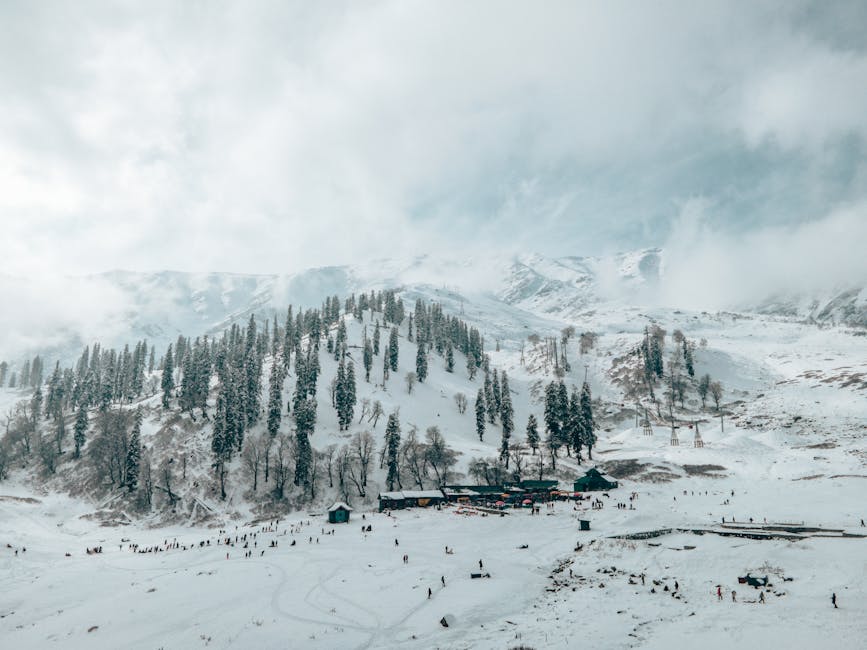
If your goal is to experience the Midnight Sun and the vibrant outdoor culture of the south, June, July, and August are the only viable months. During this period, the sun does not set at all in the northernmost parts of Lapland for several weeks. In Helsinki, the “white nights” mean the sun dips just below the horizon, leaving a perpetual twilight that keeps the city active until the early hours of the morning. This is the peak season for domestic travel, as Finns head to their summer cottages (mökki) to swim in the lakes and utilize the public saunas.
The impact of Midsummer (Juhannus)
Midsummer, usually the weekend closest to June 24th, is the most significant holiday in the Finnish calendar. If you visit during this time, be aware that major cities like Helsinki and Tampere effectively shut down. Shops close, public transport runs on a reduced schedule, and locals flee to the countryside. For a traveler, this is either the best time to visit (to experience traditional lakeside bonfires and festivals) or the worst (if you wanted to go museum-hopping in the city). Plan your logistics at least three months in advance if you intend to travel during Midsummer, as train tickets and car rentals sell out rapidly. A standard economy car rental can jump from €45 per day to over €110 per day during the Midsummer weekend due to high demand from locals.
Managing the mosquito season with the right tools
One practical reality of the Finnish summer that travel brochures often omit is the mosquito population, particularly in Lapland. Late June and throughout July see the peak of the “räkkä” (the mass emergence of biting insects). If you are hiking in national parks like Pallas-Yllästunturi during this time, protection is not optional. Consider these products:
- Thermacell MR300 Portable Repeller: Approx. €35. Specs: Creates a 4.5-meter protection zone. Pros: Highly effective for camping and stationary fishing. Cons: Requires butane cartridge refills and repellent mats.
- Off! Deep Woods (High DEET): Approx. €12. Pros: Strongest protection against mosquitoes and horseflies. Cons: Greasy texture and can damage some synthetic fabrics.
- Haglöfs Mid Fjell Hiking Pants: Approx. €130. Specs: Durable polyamide fabric. Pros: Tight weave prevents most insect bites from reaching the skin. Cons: Can feel warm in temperatures above 25°C.
The Economics of the Arctic: Winter Budgeting and Logistics
Winter in Finland is divided into two distinct phases: the dark winter (December and January) and the crusty snow winter (February to April). December is the most expensive month to visit, driven by Christmas tourism in Rovaniemi. Prices for accommodation can triple, and the “Santa Claus Village” becomes extremely crowded. During this time, the sun does not rise at all in the north—a phenomenon known as Kaamos. The light is a constant, ethereal blue and purple, which is beautiful for photography but limits the hours available for active excursions like husky sledding or snowmobiling.
The advantages of late winter (February and March)
For most travelers, February and March offer a superior winter experience compared to December. The snowpack is at its deepest, ensuring all winter sports are in full swing, but the sun has returned. You get 8 to 12 hours of daylight, which is necessary for long-distance cross-country skiing or multi-hour reindeer safaris. Temperatures are often at their lowest in February, sometimes hitting -30°C, so high-quality layering is essential. Most tour operators provide thermal overalls, but you should bring your own merino wool base layers and windproof outer shells.
Pro tip: Avoid the Finnish school holiday weeks in late February (weeks 8, 9, and 10), as ski resorts like Levi and Ylläs become crowded and prices spike for domestic travelers. During these weeks, a ski pass can cost €55 per day, and lift lines can exceed 20 minutes.
Winter activity cost comparison
| Activity | Approx. Price (Per Person) | Best Month | Pros/Cons |
|---|---|---|---|
| Husky Safari (2h) | €150 – €200 | January – March | Pro: High speed. Con: Very cold on the face. |
| Reindeer Sleigh Ride | €80 – €120 | December – March | Pro: Peaceful. Con: Much slower than huskies. |
| Snowmobile Tour | €120 – €180 | February – April | Pro: Covers distance. Con: Loud and requires driver’s license. |
| Ice Fishing | €70 – €100 | March – April | Pro: Authentic culture. Con: Requires extreme patience in cold. |
| Icebreaker Cruise | €300 – €450 | January – March | Pro: Once-in-a-lifetime. Con: Extremely expensive. |
The Ruska Phenomenon and the Shoulder Season Advantage
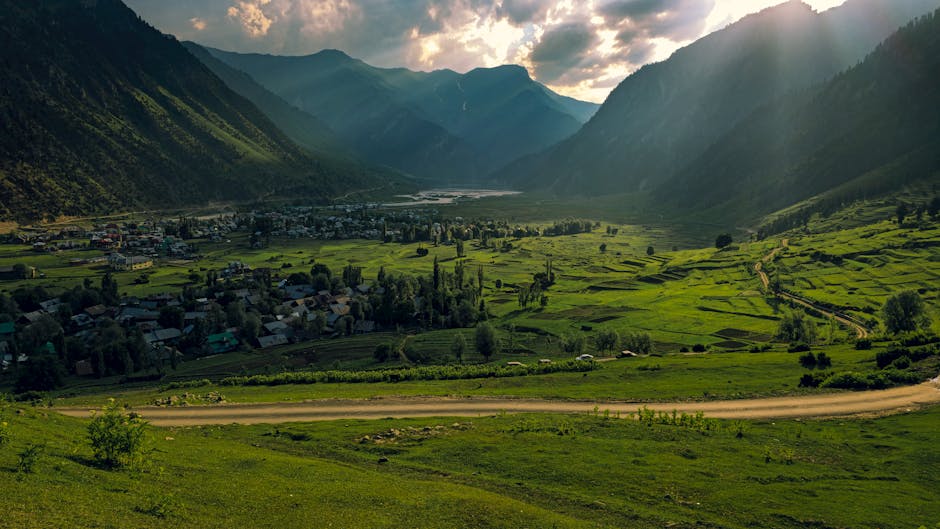
If you want to avoid both the crowds of summer and the sub-zero temperatures of winter, September is the month of “Ruska”—the Finnish term for the autumn leaf color change. This is arguably the best time for hiking in Finland’s 41 national parks. The landscape turns vibrant shades of orange, red, and gold, starting in the far north in early September and moving south toward Helsinki by early October. The air is crisp, the ground is dry, and the mosquitoes are gone. It is also the peak season for mushroom and berry picking, which is protected under Finland’s “Everyman’s Right” law, allowing anyone to forage on public and private land.
Photography and hiking conditions in Autumn
Photographers prefer the Ruska season because the low angle of the sun creates long, soft shadows and a golden light that lasts for several hours. Unlike the harsh midday sun of July, September provides a much more manageable dynamic range for landscape shots. Additionally, the first frosts usually arrive in late September, dusting the colorful foliage in a layer of white, which provides excellent contrast for macro photography. Do note that many seasonal hotels in Lapland close for a brief period between the end of the Ruska (late September) and the start of the ski season (late November), so check availability for remote lodges specifically.
The November “Slush” season
If there is one time to avoid Finland, it is November. In the south, this is known as the season of “sohjo” (slush). It is frequently rainy, dark, and grey, with temperatures hovering just above freezing. The ground is often muddy rather than snowy, and the festive Christmas lights haven’t always been turned on yet. Unless you are visiting for a specific indoor event, such as the Slush tech conference in Helsinki (which attracts 13,000 attendees), November is generally the least scenic and most depressing month for tourism. If you must travel in November, stick to the northernmost parts of Lapland where the snow is more likely to have settled permanently. In Helsinki, use this time to explore the indoor design district or the Amos Rex art museum, which offers a subterranean escape from the gloom.
Essential Gear and Packing Strategies for Extreme Temperature Swings
Packing for Finland requires a technical approach, especially if you are visiting between October and April. The “three-layer rule” is the standard for Finnish survival. The base layer should wick moisture, the mid-layer should trap heat, and the outer layer should block wind and moisture.
Recommended products for a winter visit include:
- Icebreaker 200 Oasis Merino Base Layer: Approx. €95. Specs: 100% Merino wool. Pros: Naturally odor-resistant and stays warm even if damp. Cons: Requires delicate washing.
- Patagonia Down Sweater Hoody: Approx. €270. Specs: 800-fill-power Traceable Down. Pros: Excellent warmth-to-weight ratio. Cons: Loses insulation properties if it gets soaking wet.
- Hestra Heli Ski Gloves: Approx. €145. Specs: Goat leather and G-Loft insulation. Pros: Removable liners for easy drying. Cons: Very bulky for operating cameras.
- Sorel Caribou Boots: Approx. €180. Specs: Rated to -40°C. Pros: Waterproof and incredibly warm. Cons: Heavy and difficult to walk in for long distances in the city.
A Month-by-Month Breakdown of Finnish Cultural Events
Beyond the weather, your timing might be influenced by Finland’s unique cultural calendar. Finns are often described as reserved, but during national festivals, the atmosphere transforms completely.
- January: Lux Helsinki. A light art festival where massive installations are placed around the city center to combat the winter darkness. Free to the public.
- February: Runeberg Day (Feb 5th). Celebrate with a Runeberg torte, a rum-soaked almond pastry found in every bakery.
- May: Vappu (May 1st). The largest street festival of the year. Students and workers celebrate the coming of spring with picnics, sparkling wine, and “tippaleipä” (funnel cake).
- August: Flow Festival. One of Europe’s leading music and arts festivals held in a defunct power plant in Helsinki. Tickets approx. €220 for a 3-day pass.
- December: Independence Day (Dec 6th) and St. Lucia Day (Dec 13th). Expect candlelit processions and a very formal atmosphere across the country.
Which months offer the lowest travel costs for Finland?
Finland is a high-cost destination, but timing your visit can save you 30-40% on major expenses like flights and hotels. The cheapest months are generally May and October. These are the “dead” shoulder seasons. In May, the snow is melting, which makes hiking trails muddy and unappealing, and the summer attractions haven’t opened yet. In October, the autumn colors have faded, but the winter activities haven’t begun. If you are a budget-conscious traveler who doesn’t mind grey skies and is happy to focus on city-based activities like museums, design shopping, and sauna culture, these months offer the best value.
Flight and accommodation trends
Flights to Helsinki via Finnair or other major carriers are most expensive during the late December window and the July summer peak. If you are flying from North America or Asia, booking six months in advance for these periods is necessary to avoid paying over €1,200 for an economy seat. Conversely, in the shoulder months, you can often find round-trip fares for under €700. Within Finland, the state-owned railway, VR, offers significantly cheaper tickets if you book 60 days in advance. A train from Helsinki to Rovaniemi might cost €40 when booked early, but jump to €120 if purchased on the day of travel.
Seasonal data summary
- Peak Winter (Dec-Jan): High prices, extreme cold, Christmas atmosphere, limited daylight.
- Spring Winter (Feb-Mar): Best for skiing and Northern Lights, deep snow, rising daylight.
- Spring (Apr-May): Thawing period, cheapest prices, not ideal for outdoor activities.
- Summer (Jun-Aug): Midnight sun, warm weather, festivals, high domestic crowds.
- Autumn (Sep-Oct): Ruska colors, great for hiking, second-best Aurora window.
- Late Autumn (Nov): Darkest and wettest month, lowest visibility, avoid if possible.
Ultimately, your decision should be based on your tolerance for cold and your desire for specific natural phenomena. If you want the full “Arctic Wonderland” experience, aim for the first two weeks of March. You will get the snow, the lights, and enough daylight to actually see the landscape. If you prefer a relaxed, nature-focused trip with comfortable temperatures, the first two weeks of September provide the best balance of aesthetics and accessibility. Regardless of when you choose to go, always check the local weather forecasts daily, as Finnish conditions can shift from clear sun to heavy snow in a matter of hours.