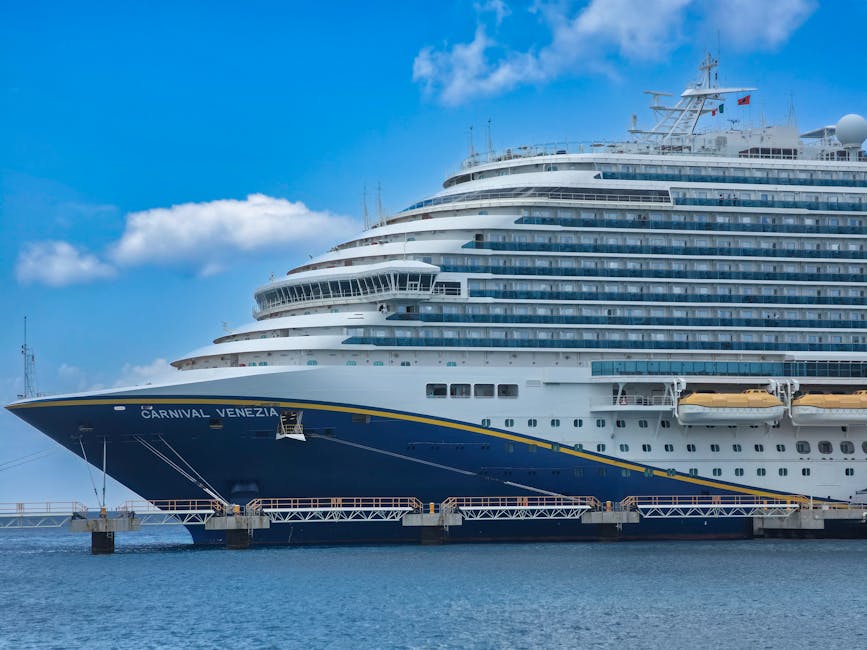
The Indian cruising sector is currently split into two wildly different worlds: the mass-market ocean liners navigating the coastline and the ultra-luxury boutique vessels plying the major river systems. If you are trying to pin down a cruise vacation in India price, you will find that the numbers vary more than almost any other travel category in the country. A three-night trip on a coastal liner might cost you less than a weekend at a five-star hotel in Mumbai, while a luxury river expedition can easily exceed the price of a mid-sized sedan. Understanding these price tiers is the only way to avoid overpaying for an experience that doesn’t align with your expectations.
Breaking Down the Average Daily Cost of Indian Ocean Cruises
For most travelers, the entry point into the Indian cruise market is Cordelia Cruises, which currently operates the Empress. This vessel essentially serves as the primary benchmark for ocean-going cruise prices in the region. On average, a standard interior cabin for a short 2-night or 3-night itinerary (such as Mumbai to Goa or Mumbai at sea) starts at approximately ₹30,000 to ₹45,000 for two people. This translates to roughly ₹7,500 to ₹11,250 per person, per night. However, this is just the base fare. When you factor in the mandatory port taxes and the Gratuity/Service Charge—which is often billed separately—the price per night typically climbs by another ₹2,000 to ₹3,000.
Interior vs. Ocean View vs. Suite Pricing
The price gap between cabin categories on Indian ocean liners is significant. While an interior room is the budget-friendly choice, moving up to a balcony cabin usually requires a 40% to 60% premium. For those looking at the Chairman’s Suite or similar high-end accommodations, the price can jump to ₹1,50,000 or more for a 3-night sailing. It is important to note that the amenities in these suites often include butler service and private dining, which justifies the steep hike for a specific demographic of luxury travelers. If you are traveling as a family, look for “3rd and 4th guest” offers where children under a certain age might only pay taxes and port fees, significantly lowering the average cost per head.
Hidden Costs: Taxes and Mandatory Fees
One of the most common frustrations for first-time cruisers in India is the discrepancy between the advertised price and the final checkout amount. The Indian government levies a 5% GST on cruise packages, but this is often calculated on the gross amount including port fees. Port charges in India are notoriously high compared to Southeast Asian hubs like Singapore. For a standard itinerary, expect to pay between ₹6,000 and ₹9,000 per person just in “non-commissionable” fees. These are fixed costs that the cruise line passes directly to the port authorities, meaning they are rarely discounted even during flash sales.
Luxury River Cruising Prices: The Ganges and Brahmaputra Experience
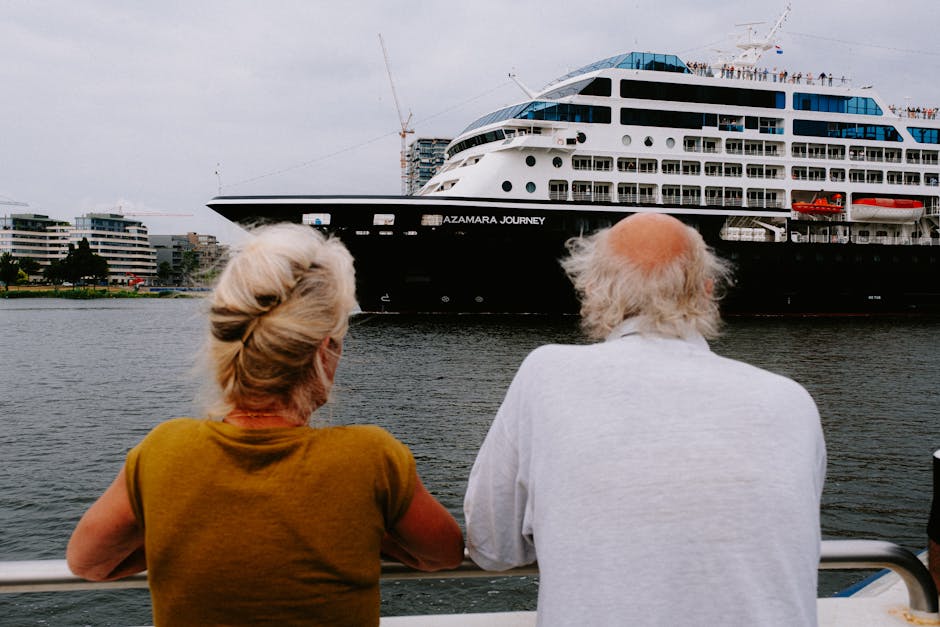
River cruising in India is a completely different financial animal. Unlike the 2,000-passenger ocean liners, river ships like those operated by Antara Luxury River Cruises or Heritage River Journeys typically carry fewer than 50 guests. This intimacy comes at a massive premium. For a high-end river cruise on the Ganges (Kolkata to Varanasi) or the Brahmaputra in Assam, the cruise vacation in India price often starts at ₹40,000 per person per night. These are almost always all-inclusive, covering shore excursions, guided tours, all meals, and sometimes even house wines or beer.
The MV Ganga Vilas: The Pinnacle of Pricing
The launch of the MV Ganga Vilas, which performs the world’s longest river cruise from Varanasi to Dibrugarh (via Bangladesh), set a new ceiling for domestic travel costs. A full 51-day journey on this vessel was initially priced at approximately ₹12.5 lakh to ₹15 lakh per person. While most travelers opt for shorter segments of 7 to 12 days, the daily rate remains consistently high due to the logistical complexity of navigating Indian river systems, which require constant dredging and specialized pilotage. You are not just paying for a room; you are paying for the technical feat of moving a luxury hotel through shallow, shifting riverbeds.
Seasonal Price Fluctuations in River Travel
River cruise pricing is strictly seasonal. Because these ships cannot operate during the monsoon (June to September) due to high water levels and turbulence, the sailing season is compressed into the months of October through April. Peak pricing hits in December and January. If you are looking for a deal, the “shoulder” months of October and late March offer the best value. During these windows, some operators offer “buy one get one 50% off” deals or waive the single supplement for solo travelers, which is otherwise a staggering 50% to 75% surcharge on the base fare.
Budgeting for the Kerala Backwaters: Houseboat vs. Boutique Cruise
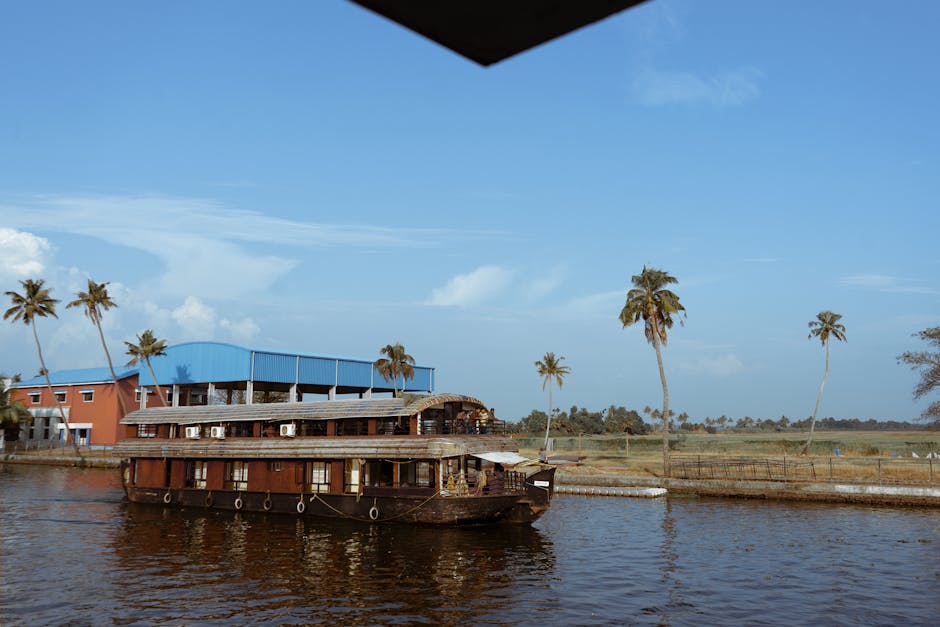
Kerala offers the most accessible form of water-based vacationing in India, but there is a sharp distinction between a standard “houseboat” (Kettuvallam) and a boutique backwater cruise. A private one-bedroom houseboat in Alleppey can be booked for as little as ₹10,000 to ₹15,000 per night, including meals. However, these are stationary for much of the night and offer varying levels of hygiene and air conditioning. For a true cruising experience, vessels like the Oberoi Vrinda or Spice Coast Cruises provide a structured itinerary and higher safety standards.
The Oberoi Vrinda, for instance, typically operates 2-night or 3-night itineraries. The price for this level of luxury usually hovers around ₹60,000 to ₹80,000 per night for a double-occupancy cabin. While the price is high, the value lies in the exclusivity—you are on a vessel with only eight cabins, allowing for deep-water navigation into areas the crowded tourist houseboats cannot reach. For those on a mid-range budget, look for boutique operators like Vaikundam, which offer multi-day journeys for roughly ₹25,000 per night, striking a balance between the basic houseboats and the ultra-luxury tier.
| Cruise Type | Key Operator | Starting Price (Per Night/Double) | What’s Included |
|---|---|---|---|
| Ocean Liner | Cordelia Cruises | ₹15,000 – ₹22,000 | Meals, Basic Entertainment, Cabin |
| Luxury River | Antara / Heritage | ₹80,000 – ₹1,10,000 | All meals, Excursions, Guides, Drinks |
| Boutique Backwater | Oberoi Vrinda | ₹60,000 – ₹75,000 | Gourmet meals, Cultural shows, Transfers |
| Budget Houseboat | Local Operators | ₹10,000 – ₹18,000 | Basic meals, Private boat use |
International Cruise Lines in Indian Waters: Transit vs. Homeporting
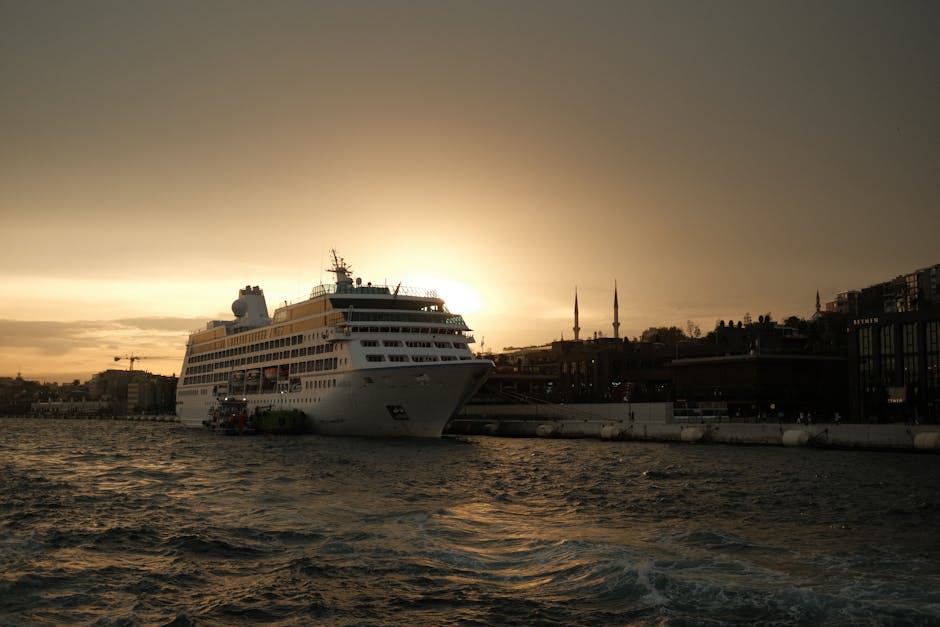
Another angle to consider for your cruise vacation in India price is the presence of international lines like Costa, Celebrity, and MSC. These ships typically operate in India in two ways: as “transit” stops during a repositioning cruise (e.g., Dubai to Singapore) or by “homeporting” in Mumbai for a short winter season. When an international line homeports in India, prices are often competitive with domestic lines to attract the local market. For example, Costa Serena has previously offered 2-night sailings from Mumbai starting at roughly ₹25,000 per person inclusive of taxes.
The catch with international lines is that they often price their onboard services in US Dollars or Euros. While the initial ticket price might look comparable to a domestic cruise, a single cocktail might cost $12 (plus a 15-18% service charge), and a 30-minute Wi-Fi session could set you back $20. For the Indian traveler, this currency exchange can quickly inflate the total vacation cost. Furthermore, these ships often require a more complex booking process involving international agents or specialized portals, unlike the direct-to-consumer websites of domestic Indian cruise lines.
Pros of international lines: Superior infrastructure, larger theater productions, and international safety standards. Cons: High onboard spending costs, potential currency fluctuations, and less focus on Indian cuisine.
Strategic Timing: When to Book for the Lowest Rates
Timing is the most effective lever you have to control your cruise vacation in India price. The Indian market is highly sensitive to school holidays and religious festivals. Prices for cruises during Diwali, Christmas, and New Year’s Eve can be 100% higher than sailings just two weeks earlier or later. If you have the flexibility to travel in the “pre-winter” window of late September or early October, you can often find “Flash Sales” where the second guest travels for free or at a 50% discount. These deals are usually announced 45 to 60 days before departure to fill remaining inventory.
The “Early Bird” vs. “Last Minute” Gamble
In the US and Europe, booking 12-18 months in advance is the standard way to get a low price. In India, the booking window is much shorter, typically 3 to 6 months. However, the best value is often found in the 90-day window. Unlike airlines, cruise lines hate empty cabins because a passenger who pays a low fare still spends money on drinks and spas. If a ship is only 60% full two months out, you will see aggressive price cuts. The risk? Popular categories like balcony cabins or family suites sell out first, leaving only the tiny interior rooms or the most expensive suites.
Regional Variations in Pricing
Cruises departing from Chennai or Kochi can sometimes be cheaper than those departing from Mumbai. Mumbai is the primary hub with the highest demand, allowing operators to maintain higher price floors. In contrast, sailings from the East Coast (Vizag or Chennai) are often used to test new markets and are frequently discounted to build brand awareness. If you are willing to fly to a secondary port, the savings on the cruise fare can sometimes offset the cost of the domestic flight.
Total Vacation Budgeting: Beyond the Cabin Fare
To calculate a realistic cruise vacation in India price, you must look at the “Total Cost of Ownership” for the trip. The cabin fare is merely the entry fee. On an ocean cruise, the biggest variable is the alcohol and beverage package. Most Indian cruises do not include soft drinks or alcohol in the base price. A standard “All-Inclusive Beverage Package” can cost between ₹2,500 and ₹4,000 per person per day. If you are a couple on a 4-night cruise, that is an additional ₹20,000 to ₹32,000 added to your bill before you’ve even left the dock.
Shore Excursions and Onboard Activities
In India, shore excursions are a significant revenue driver for cruise lines. A guided tour of Old Goa or a visit to a spice plantation in Kochi will typically cost between ₹3,500 and ₹6,000 per person. While you are free to disembark and hire a local taxi or rickshaw, the convenience of the cruise-organized tour often wins out, despite the 300% markup over local prices. Onboard, expect to pay extra for specialty dining (the “Chef’s Table” or premium seafood restaurants), spa treatments (starting at ₹4,000 for a basic massage), and professional photography services.
The GST and Service Charge Impact
Finally, do not overlook the 18% GST applied to all onboard purchases. While the cruise ticket itself might only carry a 5% GST, anything you buy once the ship is in Indian waters—be it a souvenir from the gift shop or a bottle of water—is subject to the higher tax bracket. Many travelers also forget the daily service charge (gratuity), which is usually around ₹1,000 to ₹1,200 per person per night. On a 5-night cruise for a family of four, this “hidden” fee adds ₹20,000 to the final bill. Always check if the quote you are looking at is “all-in” or if these statutory charges will be tacked on at the final payment screen.
By analyzing these layers of cost—from the base cabin fare and port taxes to the seasonal fluctuations and onboard spending—you can build a budget that is both realistic and sustainable. Cruising in India is no longer a niche luxury, but it requires a more analytical approach to pricing than a standard hotel stay if you want to ensure the experience is worth the investment.